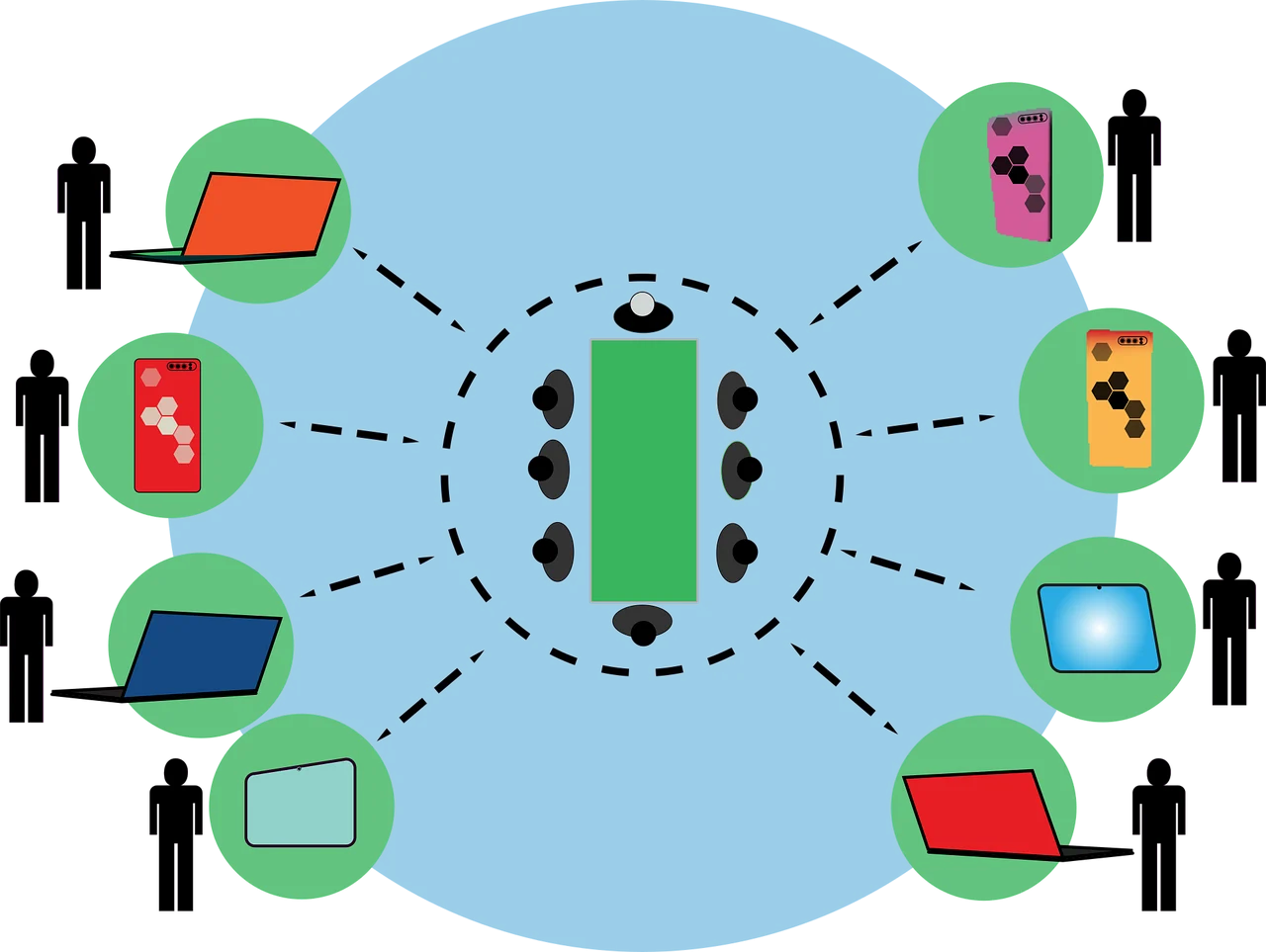
Remote and hybrid work isn't going anywhere.
Despite all the chatter around returning to the office, the data speaks for itself. As of early 2025, almost 80% of people who can work remotely are working in hybrid or remote capacities. That's a lot of people sitting at their home desks.
But here's the problem…
If your team is distributed, one challenge can be accessing information when you need it.
That's where effective information systems come into play. And behind most of those? Solid document tagging and metadata.
Let's jump in!
What You'll Discover:
- Why Information Systems Matter More For Remote Teams
- The Hidden Cost Of Messy Documents
- How Document Tagging And Metadata Fix The Problem
- Simple Ways To Build A Better System
Why Information Systems Matter More For Remote Teams
If everyone is located in the same office, you can easily walk to someone and ask where a file is.
But remote teams don't have that luxury.
Rather, your information system has to lift the load. It must store, organise and deliver documents to users regardless of location. If your system is messy, your entire team pays for it each day.
A virtual team lives by distributed knowledge. Contracts, reports, client notes, project files… these things should be easy to locate. When they're not, productivity grinds to a halt and tempers flare.
That's why smart organisations use intelligent Microsoft 365 document management solutions that organise everything with document tags and metadata. These solutions prevent your files from being thrown into messy folders. With metadata, every file is tagged with important information so your team can quickly locate them from any location.
And that matters because…
Faster access = More productive teams.
The Hidden Cost Of Messy Documents
Most teams don't realise how much time they waste searching for files.
Those stats are wild. McKinsey research found that employees waste an average of 1.8 hours per day just searching for and retrieving information. Almost 25% of their day!
Now multiply that problem by however many people are on your remote team. When files are disorganized, poorly labeled or hidden in the wrong place, every file search takes exponentially longer. And because remote employees can't walk over to someone's desk to ask, they're on their own.
Here's what messy documents actually cost you:
- Time — hours lost every week to searching instead of working.
- Money — wasted salary paid for unproductive hunting.
- Momentum — projects stall while people wait to find what they need.
The tragedy is most of these searches are for files we already have. The data's already out there. It just disappeared into cyberspace.
So how do you fix it?
How Document Tagging And Metadata Fix The Problem
This is where things get interesting.
Tags and metadata are what transform your random pile of documents into an organised searchable library. Learn how they work and you'll never live without them.
Let me explain what I mean:
Metadata is essentially data about a file. It's all the little tidbits of information that make that document unique. Including:
- Who created it
- What project it belongs to
- The date it was approved
- The version number
Tagging works the same way. You assign keywords or labels to files allowing them to be grouped and searched. Forget hoping someone names a file correctly, let the tags do it for you.
Why does this matter so much for remote teams?
It makes retrieving documents nearly instantaneous. When all your files are tagged with and filled with quality metadata, one quick search will surface what you need. No more searching through hundreds of folders. No more emailing 3 people to find out who moved the contract.
Metadata shines when you have large numbers of similarly named documents. Imagine a folder full of invoices. Without metadata they may as well be one large blob. Armed with metadata you can find the exact invoice you need in a couple of seconds.
And the benefits go even further…
Improved organisation equals improved security. Tagging documents allows you to dictate who sees what. Sensitive documents stay locked down. This is important when employees are viewing data through home wifi's and personal computers.
Version control becomes simpler as well. Metadata identifies the most current version so no one is working on an old copy. Document tagging and metadata are simply how any organized information system works.
Simple Ways To Build A Better System
Want to declutter your data system? Excellent. You don't have to fix everything at once. Take small steps. Develop good practices. Here's how.
Use A Consistent Naming System
First things first, agree on how files should be named.
Having a standardized format will allow your team to locate items quickly and easily. Also, it will reduce mistakes. Something as simple as a date then the name of the project is perfect. The important thing is that everyone uses the same format.
Add Metadata To Everything
Next, make metadata part of your routine.
Whenever a document is created/uploaded, capture the details. Who created it, what does it pertain to, when was it approved. Seconds to enter, hours saved later.
Centralise Your Storage
Don't let files live in random personal accounts.
A major contributor to time wasted is decentralized storage. Documents are placed on various drives, apps and inboxes so nobody knows where anything is. Truthfully, 54% of organisations have more than 5 platforms for storing/sharing information. Makes sense people can't find anything.
Bring everything into one central, well-organised system.
Train Your Team
Lastly, make sure your team actually knows how to use the system.
None of us come into the world naturally organised with digital files. It takes practice. Teach your team how to tag files, use metadata and search effectively, and watch the system run itself.
Bringing It All Together
An efficient information system is the foundation of a successful remote or hybrid team.
Here's the thing about working remotely: it only works if your information is organised. Document tagging and metadata are the tools that allow you to do just that. They can transform an unruly heap of files into a quick, searchable system for your entire team.
To quickly recap:
- Remote teams live and die by how easily they can find information
- Messy documents waste time and money
- Document tagging and metadata make files findable, secure and up to date
Remote work (and hybrid) isn't going away. Equip your team with the tools they need to succeed.