
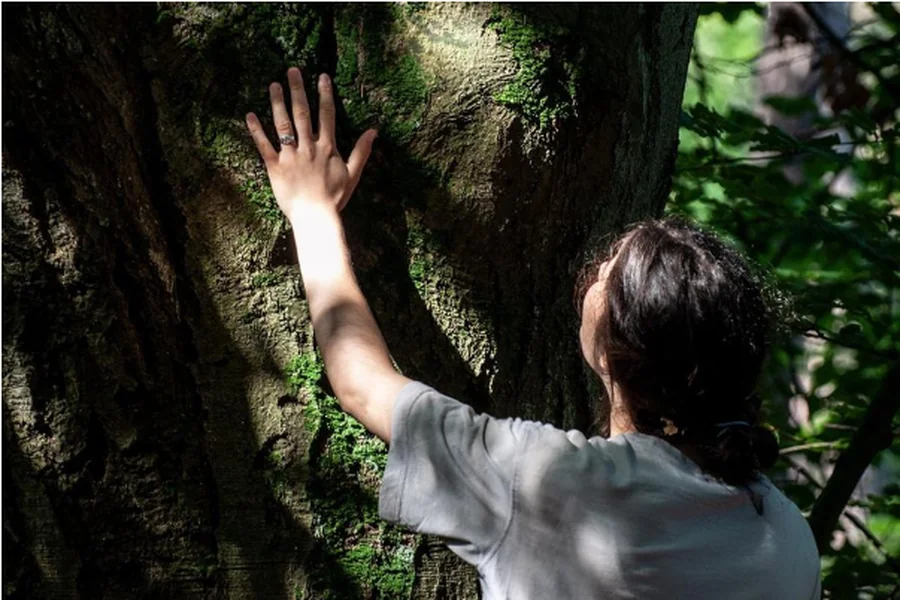
Spending time in nature has a positive impact that has been the subject of numerous scientific studies in recent decades. Forest therapy, also known as shinrin-yoku or forest bathing, is a practice that promotes holistic well-being through direct connection with the natural environment. Scientific evidence confirms that this experience offers far more than just a walk outdoors, delivering real improvements in mental, emotional, and physical health.
What Is Forest Therapy and How Does It Affect the Body?
Forest therapy involves immersing oneself in a natural setting, engaging the senses to reach a state of deep relaxation. Beyond simply enjoying the view, it involves exploring the scents, textures, sounds, and even tastes of the surroundings. This multisensory stimulation triggers a biological response that helps reduce cortisol—the stress-related hormone—while regulating blood pressure and heart rate.
In addition, exposure to organic compounds released by trees, known as phytoncides, has immunomodulatory effects that enhance the body’s defense mechanisms against illness. Various medical and psychological studies have validated these responses, showing that frequent contact with green spaces improves cognitive function, reduces anxiety, and enhances overall mood.
Scientifically Proven Benefits
The rise of forest therapy has sparked growing interest in academic, medical, and community settings. Public health institutions in several countries have started to include it in preventive and therapeutic programs, acknowledging nature’s value as a restorative agent. Researchers continue expanding our understanding of how different ecosystems offer specific benefits, establishing protocols to precisely measure improvements in health.
Recent studies have systematized the forest therapy benefits, including lowered blood pressure, improved sleep, reduced markers of inflammation, and increased immune system activity. These results are not based on subjective estimates but are backed by rigorous methodologies, reinforcing the credibility of forest therapy in clinical and community settings.
Professional Guidance for Forest Immersion
For those looking to deepen their practice, there are formal options that offer guided experiences rooted in scientific understanding. The forest bathing program, designed by specialists, offers a pathway to learning how to connect with the natural environment through specific techniques that maximize benefits for the mind and body. These programs teach participants how to develop active perception, cultivate a healthy relationship with nature, and improve their quality of life.
Participating in a certified program enhances the understanding of the physiological and emotional processes involved, while also providing tools to integrate these practices into personal or professional routines. Expert guides accompany participants in the sensory exploration of the forest, leading to a deeper experience that goes beyond a simple recreational walk.
The Growing Scientific and Social Interest
The rise of forest therapy has sparked interest across academic, medical, and community spaces. Public health institutions in several countries have begun to include it in preventive and therapeutic programs, recognizing nature’s value as a restorative agent. It is worth noting that researchers are continuing to expand knowledge of how different ecosystems can provide specific benefits, establishing protocols to accurately measure health improvements.
On the other hand, connecting with nature encourages environmental stewardship and fosters ecological awareness that helps preserve forests and urban parks. This interconnection between personal well-being and environmental sustainability strengthens the perception that nature is not just a resource, but a source of health that deserves protection and respect.