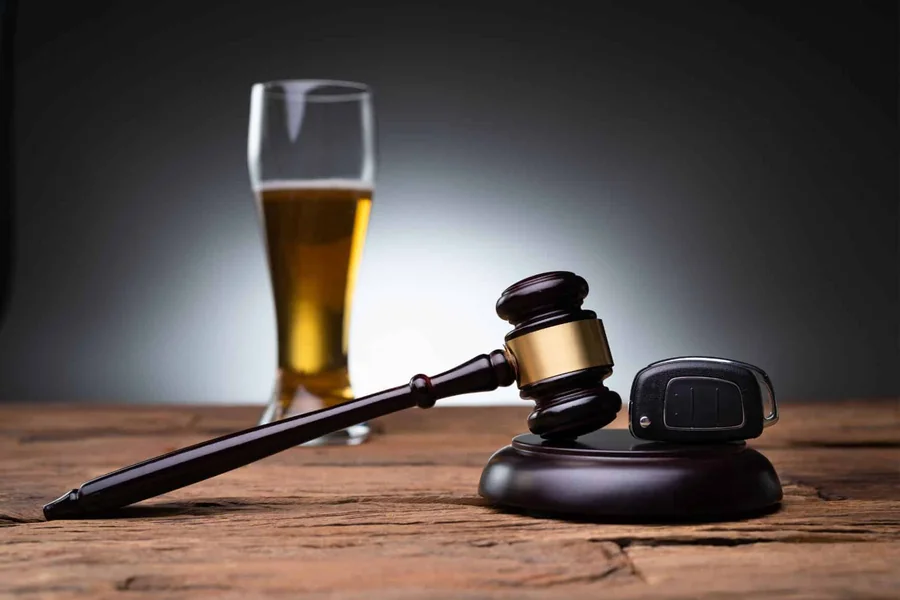
Seeing a .06 or .07 on a Washington breath test can make a DUI arrest feel hard to square with the charge, especially when the number looks below the limit most drivers expect to matter. In practice, though, a lower result does not end the case if the officer claims your driving, speech, balance, or field test performance showed you were affected by alcohol.
Even with a sub-.08 result, the case can still lead to criminal charges, DOL trouble, and early pressure built around observations more than chemistry. The better first move is to compare the stop, the officer’s narrative, the timing of the breath sample, and the available test records before deadlines start narrowing the defense.
A .07 Can Still Bring a Washington DUI Charge
A BAC reading under .08 still leaves room for a DUI charge in Washington because the statute covers being “under the influence” or “affected by” alcohol. Officers often document slurred or thick speech, unsteady balance, delayed answers, or difficulty following simple directions as the basis for impairment even when the number is lower. Field notes and body-worn video can end up carrying more weight than the breath result when those observations are detailed.
Breath testing usually happens later than the driving, so timing becomes a real issue when alcohol absorption is still happening after the stop. A later sample can read higher than the level at the wheel, and the state may still argue the person was affected at the time of driving based on the total record. Because the exact wording on the citation and charging language shapes what needs to be challenged in reports, video, and test records, a drunk driving law firm can assess those details together and identify where the state’s theory is weakest.
Police and Prosecutors Build Sub-.08 Cases With Small Details
Dashboard and body camera footage can capture details that later become key “impairment” facts even when the breath number is below .08. Officers commonly note odor of alcohol, watery or bloodshot eyes, and any admission about drinking, then connect those points to field sobriety test performance. The report can describe swaying, using arms for balance, or stepping off line on a walk-and-turn as proof of being affected, even if the breath result looks modest.
Many of those observations have other explanations tied to stress, cold or rain, fatigue, footwear with poor traction, or medical limits involving legs, back, or inner ear balance. Field tests are scored from an officer’s perspective, and the write-up can sound more definitive than what the video shows. In sub-.08 cases, the paperwork often drives the charging theory, so it helps to compare the narrative, video, and test notes line by line.
Weak Spots Often Start at the Traffic Stop Itself
Video and dispatch logs can show the exact reason an officer says a car was pulled over, and that detail matters when a BAC is under .08. A stop based on a vague claim like “lane travel” or “speed” can be tested against what the footage and location details actually show. If the driving issue is minimal, it can raise questions about the legal basis for the stop and the claimed traffic violation. That early point can affect how the rest of the case proceeds.
After the initial contact, the state still needs a solid basis to extend the stop into a DUI investigation before asking for field tests or a breath test. Roadside conditions can undercut the value of observations and tests, including poor lighting, uneven shoulder gravel, traffic wind, rain, or a sloped roadway. Officers sometimes proceed even when a driver reports footwear, injury, or balance limits that affect performance. Small curbside facts can turn into suppression issues or credibility problems that change plea pressure.
The First Days After Arrest Can Change the Pressure on the Case
Department of Licensing paperwork often arrives fast after a DUI arrest, and the clock for requesting a hearing can be shorter than people expect. Missing that window can trigger an automatic license suspension even while the court case is still pending. At the same time, video from body cameras or in-car systems may be overwritten on a routine schedule, so a prompt preservation request can matter. Breath test documents, including simulator solution logs and maintenance records, are not always provided unless they are specifically asked for.
Phone records and online activity can turn into exhibits, especially when a case already depends on statements and observations more than a BAC number. Messages about drinks, driving, or the arrest can be taken out of context, and posts made while upset can read like admissions. A fast request for police reports helps confirm the exact wording the state plans to rely on and flags missing details early. Keeping communications tight and focusing on records first can reduce surprise issues at arraignment and the first pretrial setting.
Good DUI Defense Is About Framing the Case the Right Way
In a sub-.08 Washington DUI case, the defense usually turns on which part of the state’s proof is weakest and how clearly that weakness can be shown. The issue may involve the basis for the stop, the decision to extend the contact, the officer’s interpretation of field test clues, or the gap between the driving and the breath sample. When the case relies more on observations than a high BAC result, consistency across reports, video, and breath records becomes especially important.
Strategy also needs to account for more than the criminal charge alone. Court timing, local practice, DOL consequences, ignition interlock requirements, and insurance costs can all shape what outcome makes practical sense. Before choosing between negotiation and a contested hearing, it helps to map the court timeline and the license timeline together so the defense reflects the full pressure the case creates.
A breath result under .08 does not end a Washington DUI case if the state can still build a convincing claim around driving behavior, roadside observations, test timing, and your own statements. The number matters, but it is only one part of the record. What creates real risk is how those details are combined to argue that you were affected by alcohol at the time of driving. If the stop led to field tests, an arrest, or DOL paperwork, the case already deserves prompt attention. Request the video, breath records, and police reports early, track the DOL hearing deadline, and compare each part of the file before the state’s version hardens into the case narrative.