Designing a home for a growing family is an exciting challenge. As families expand, the need for spaces that blend comfort, functionality, and adaptability becomes increasingly important. By focusing on key elements like layout, storage, and durable materials, you can create a home that evolves with your family’s needs while maintaining a warm and inviting atmosphere.
This guide provides practical tips to help homeowners and new parents design spaces that cater to their expanding families.
Optimizing Layouts for Maximum Functionality
The foundation of any functional family home starts with the right layout. A well-thought-out floor plan can make a world of difference in ensuring your home caters to your family’s growing needs.
Open-Concept Living Areas
Open-concept layouts remain a popular choice for families. These designs eliminate barriers between the kitchen, dining, and living areas, creating a space where parents can keep an eye on their children while cooking or working. Open layouts also make a home feel larger and brighter, ideal for growing families.
Flexible Spaces
Flexibility is key in designing a home that grows with your family. Multi-purpose rooms, such as a guest room that doubles as a home office or playroom, allow for adaptability as your needs change. Installing features like built-in desks or foldable furniture can enhance the functionality of these spaces.
Room Zoning
Consider the placement of bedrooms and bathrooms for privacy and convenience. For example, having the kids’ bedrooms close together but separate from the master suite can promote independence while giving parents some personal space. Additionally, having a bathroom near the children’s rooms is a practical choice for those middle-of-the-night emergencies.
Smart Storage Solutions
Growing families accumulate a lot of “stuff,” and staying organized can be challenging. Incorporating smart storage solutions ensures your home remains tidy and functional.
Built-In Shelving and Cabinets
Custom-built shelving and cabinetry are not only aesthetically pleasing but also maximize available space. For instance, built-in shelves in the living room can house books, toys, and decor, while cabinets in the mudroom can keep shoes and outdoor gear neatly contained.
Under-Stair Storage
If your home has multiple levels, make use of the often-neglected area under the stairs. This space can be transformed into a storage cupboard, a small play nook, or even a mini home office, making every square foot count.
Rotating Seasonal Items
Another effective strategy is to store seasonal items, such as winter coats or holiday decorations, in labeled containers placed in the attic, basement, or garage. This keeps everyday essentials easily accessible while reducing clutter.
Choosing Family-Friendly Materials and Finishes
Durability is a top priority for families with children. Choosing the right materials ensures your home can withstand wear-and-tear while remaining stylish and comfortable.
Flooring
For high-traffic areas like the kitchen and living room, opt for flooring that’s both durable and easy to clean. Hardwood floors are an excellent choice due to their longevity, while vinyl and laminate provide budget-friendly, scratch-resistant alternatives.
Walls
When it comes to walls, washable and stain-resistant paints are lifesavers for families with young kids. For an added touch of practicality, consider installing stone veneer in Portland in high-impact areas like entryways or fireplaces. Stone veneers add a natural, stylish finish while being remarkably durable against scrapes and dirt.
Upholstery
Select upholstery fabrics that are stain-resistant and easy to clean. Microfiber, leather, and slip-covered furniture are excellent choices that combine practicality with style.
Creating Kid-Friendly Zones
For a growing family, designing kid-centric spaces promotes both functionality and fun.
Play Areas
Designating a specific play area helps keep the rest of your home clutter-free. Include plenty of storage bins and shelves for toys, and use colorful rugs or mats to define the space while protecting your floors.
Study Nooks
For school-aged children, having a quiet spot for homework and studying is essential. A small desk with adequate lighting tucked into a corner of the living room or bedroom can be a perfect solution.
Outdoor Spaces
Don’t forget to think beyond the walls of your home. A backyard with child-friendly features, such as a sandbox, swing set, or even a small garden, can provide endless entertainment for kids while promoting outdoor activity.
Designing Spaces for Bonding and Relaxation
While functionality is important, creating spaces that foster togetherness and relaxation is equally crucial.
Cozy Living Rooms
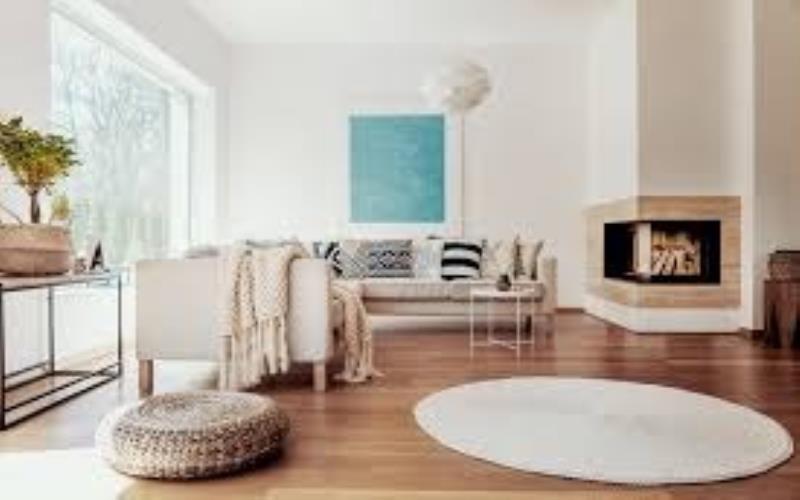
The living room serves as the heart of most family homes. Comfortable seating, a large coffee table for board games, and a mix of soft lighting create an inviting atmosphere for family bonding.
Family Dining Areas
A spacious dining table is a must for meals, homework sessions, and arts and crafts. If space allows, consider a built-in banquette as part of the seating arrangement—it adds extra storage and creates a cozy environment.
Relaxing Bedrooms
Creating a tranquil space for parents is equally important. Soft bedding, blackout curtains, calming decor, and a sturdy wooden bed frames can turn your bedroom into a retreat after a long day of parenting.
Thinking Long-Term with Your Design Choices
When designing for a growing family, it’s essential to think long-term. Choose furniture and home features that can evolve with your family’s needs.
Invest in quality pieces for the rooms that will see the most use, such as the living room and kitchen. Modular furniture, like expandable dining tables or bunk beds that can convert into separate twin beds, offers practical solutions for changing dynamics.
Additionally, designing spaces with teens in mind—such as the option to transform a playroom into a media or gaming room—ensures your home remains functional as your children grow older.
Reflect Your Family’s Unique Style
While functionality is vital, your home should also reflect your family’s personality and style. Incorporate personal touches like family photos, unique art pieces, or even a custom gallery wall in a shared space to make your home feel special and uniquely yours.
Build a Space You’ll Love to Grow Into
Designing a comfortable and functional space for a growing family requires thoughtful planning and practical solutions. By prioritizing layout, smart storage, durable materials, and personalized touches, you can create a home that adapts to your family’s changing needs while fostering comfort and togetherness.
By incorporating design elements like flexible layouts, durable finishes, and practical kid zones, your home becomes more than just a place—it’s a foundation for memories that will last a lifetime.