
Genetic conditions rarely appear with clear signs at the start. A child may show delays. A pregnancy scan may raise questions. An adult may experience recurring health issues without a clear cause. In such moments, doctors look beyond routine blood work. They look at chromosomes. This shift has shaped how genetic diagnosis works across India.
Cytogenetics focuses on the structure and number of chromosomes. It sounds complex, yet the idea stays simple. Humans carry forty-six chromosomes. Changes in these can explain many conditions. A small change at this level can affect growth, fertility, or development.
Over time, cytogenetic testing has moved from niche use to regular clinical practice. This change affects families, clinicians, and long-term care plans.
Why Chromosome-Level Checks Matter More Than Before
Earlier diagnosis relied on visible symptoms or family history. That approach left gaps. Many conditions share similar signs. Some remain silent for years. Chromosome analysis helps fill that gap.
A missing piece of a chromosome can explain repeated pregnancy loss. An extra copy can explain learning difficulties. These findings give clarity when other tests stay silent.
Doctors also use these tests for cancer care. Certain blood cancers show specific chromosome patterns. Spotting these patterns helps guide treatment choices.
In India, awareness has grown due to better access and more precise medical guidance. Cytogenetic testing now forms part of the standard evaluation in many hospitals rather than being a last resort.
From Lab Slides To Real-World Decisions
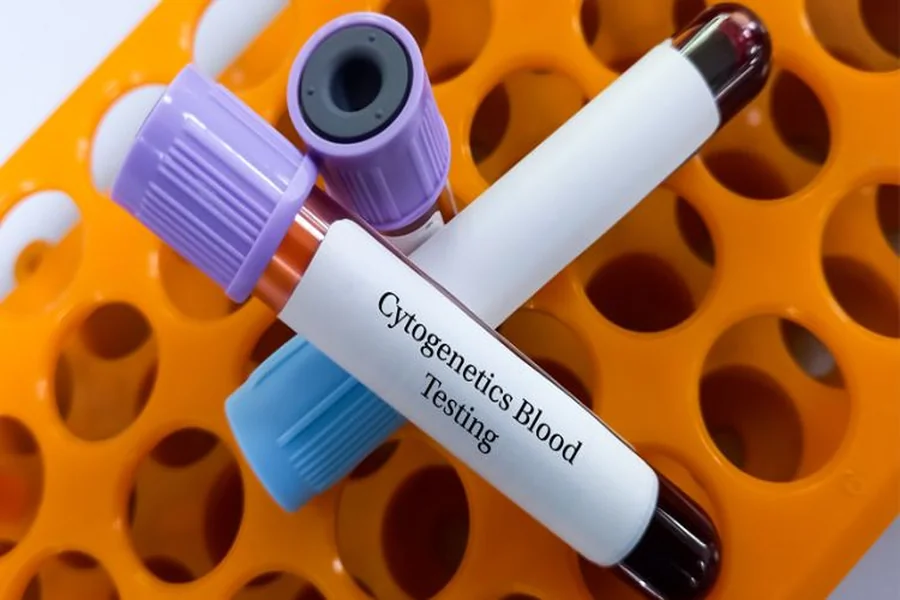
The lab process involves cell samples. These may come from blood, bone marrow, or prenatal sources. Technicians study chromosomes under microscopes or through digital systems. Reports describe size changes, breaks, or rearrangements.
For families, the report matters more than the method. It answers questions. It rules out fears. It guides the next steps.
People often expect instant answers. Genetic diagnosis rarely works that way. Results need context. A counselor or clinician explains what a finding means and what it does not.
At this stage, reliable diagnostic support matters. Many clinicians across India rely on structured services such as those provided by Medgenome, which prioritize accuracy, reporting clarity, and clinical relevance over speed alone.
Impact On Families And Long-Term Care
The fundamental shift appears after diagnosis. Parents plan education support earlier. Couples receive guidance on future pregnancies. Adults understand long-standing health issues with new clarity.
This clarity does not remove difficulty. It reduces uncertainty. That difference matters.
Cytogenetic testing also supports preventive care. When a chromosomal change occurs in one family member, others may choose to be evaluated. This shared knowledge shapes family health planning over time.
In India, where genetic discussions often stay private, access to a precise diagnosis helps families talk openly with doctors rather than rely on assumptions.
Costs and access still vary. Urban centers see higher availability. Smaller cities continue to catch up. Even so, progress feels steady rather than sudden.
The role of cytogenetic testing will continue to expand as doctors seek answers earlier rather than later. Understanding how and why these tests work helps patients ask better questions and prepare for results.