
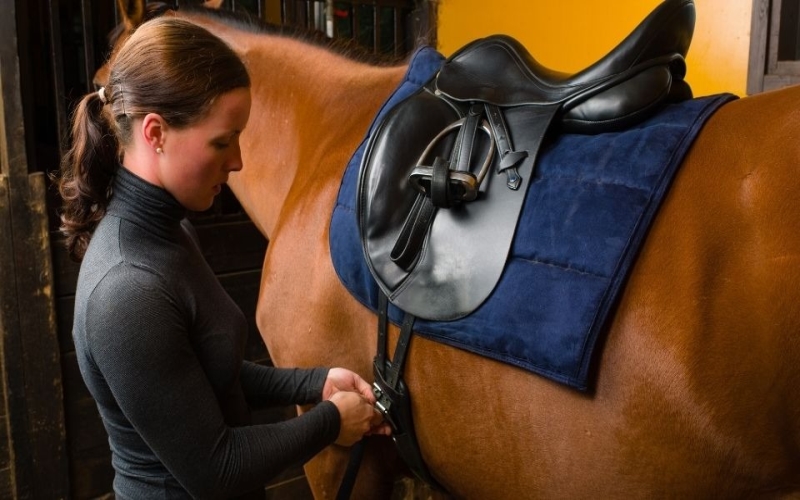
Few choices are as crucial to horseback riding as choosing the appropriate saddle. More than just riding equipment, saddles provide stability, control, and communication and are vital for the comfort of both horse and rider. Finding the ideal saddle can be overwhelming due to the wide variety of models, materials, and functions available. Here is a thorough examination of the many kinds of horse saddles, along with selection advice and important upkeep procedures.
Types of Horse Saddles
- Western Saddles
Trail Saddles: Designed to provide comfort during extended rides, these padded and frequently lightweight saddles are ideal for long days over rough terrain.
Cutting Saddles: With their deep seat, thin fenders, and front stirrups, these saddles are made for short, fast movements in cattle handling and help riders stay safe when making abrupt, sharp bends.
Roping Saddles: Mostly used in roping contests, these stable saddles have reinforced horns that help anchor and lasso livestock.
Show Saddles: Designed with elaborate silver accents, Western show saddles prioritize aesthetic appeal for contests and events.
- English Saddles
Dressage Saddles: Dressage saddles are designed to promote balance for complex dressage maneuvers by allowing for accurate leg placement and close touch with the horse.
Jumping saddles: With their flat seats and forward-cut flaps, these aid riders in staying balanced while jumping.
Eventing Saddles: These saddles combine elements of dressage and jumping saddles, making them adaptable for riders of various skill levels.
Endurance saddles: These saddles are lightweight and provide good cushioning for long-distance riding, ensuring the comfort of both the horse and the rider.
- Hybrid Saddles
Australian Stock Saddles: Often with knee cushions and long flaps for extra security, these saddles blend Western and English styles and are perfect for tough terrain and cattle work.
Some ceremonial equestrian events still employ side saddles, a traditional kind with a distinctive shape that enables riders to sit with both legs on one side.
Selecting the Right Saddle
Knowing your riding discipline, the anatomy of the horse, and your own comfort preferences are all important when choosing a saddle. Below is a summary of things to think about:
- Riding Purpose
Ascertain whether the saddle will be utilized for long-distance endurance, competition, leisure riding, or specialized tasks like cutting or roping.
- Fit for the Horse
Tree Size: To prevent pressure points and discomfort, the saddle tree, or frame, needs to fit the horse’s shape.
Wither Clearance: To avoid saddle sores or pinching, make sure there is enough space around the horse’s withers, or shoulder area.
Panel Shape: For proper weight distribution, the panels on the underside of the saddle should line up with the horse’s back.
- Rider’s Comfort and Fit
The right seat size enables the user to sit comfortably without slipping forward or feeling crowded.
Stirrup Position: Select a saddle that complements your riding style and makes sure the stirrup position fits your requirements for leg placement.
Materials and Construction
Two primary materials are frequently used to make saddles, and each has benefits:
Leather Saddles: Well-known for its comfort, longevity, and timeless look, leather saddles need upkeep but last a long time when properly cared for.
Synthetic Saddles: Ideal for novice riders or those on a tight budget, synthetic saddles are lightweight, easy to maintain, and frequently less expensive.
Saddle Maintenance and Care
Maintaining your saddle properly prolongs its life and guarantees both your horse’s and your comfort:
Frequent Cleaning: To get rid of dirt and keep the saddle from drying out or cracking, wipe it down with a moist towel after every ride and give it a thorough cleaning once a week using saddle soap.
Leather Conditioning: To maintain their flexibility, leather saddles require conditioning. Apply a high-quality leather conditioner as necessary, particularly in arid regions.
Examining for Wear and Tear: To identify any wear before it compromises performance or safety, routinely inspect the billet straps, tree, and stitching on your saddle.
Final Thoughts
A quality saddle is an investment in both your horse’s comfort and your riding enjoyment. The correct saddle can affect your performance, enjoyment, and your horse’s health, regardless of your level of experience as a rider. To find the ideal fit, weigh your alternatives, seek advice from professionals if needed, and always put fit and quality first.