What Biophilic Design Really Means In Everyday Spaces
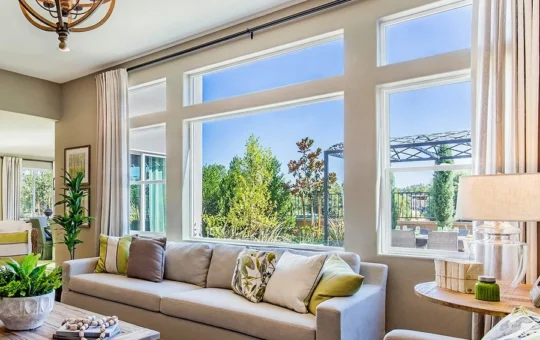
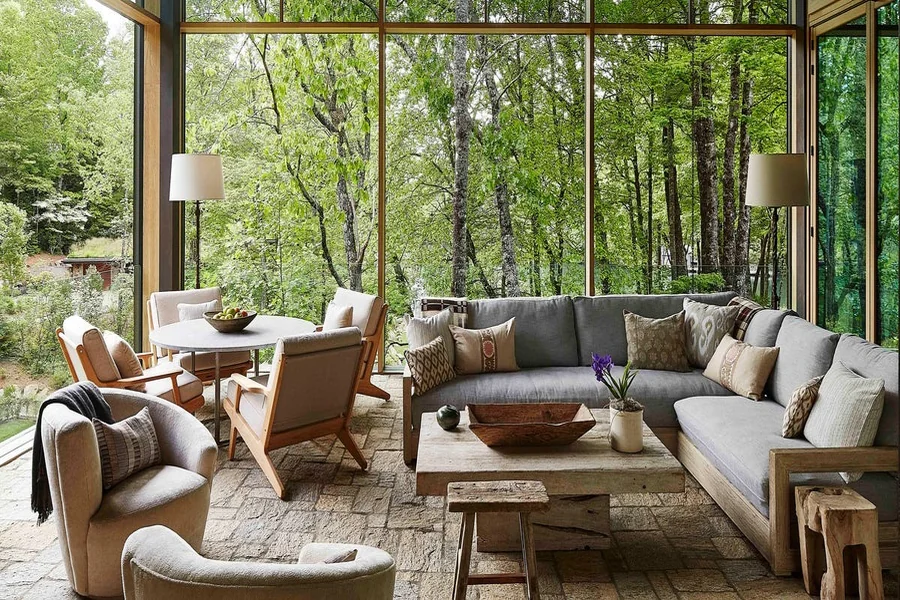
Biophilic design is rooted in the idea that people possess a fundamental connection with nature, and that our built environments should nurture this bond. Its application goes far beyond decorative plants or scenic photographs on a wall. Instead, biophilic design weaves together direct experiences—like abundant daylight, natural ventilation, and living greenery—with indirect references such as tactile materials, organic forms, and color palettes inspired by landscapes. In contemporary interiors, these strategies are tailored to suit different settings. For example, a modern urban apartment may layer wood and stone finishes, while an office might use skylights and indoor planters to create a vibrant, inviting atmosphere. Increasingly, these elements are no longer considered add-ons, but are incorporated from the inception of a project, fundamentally shaping how interiors are conceived and experienced.
Health, Wellbeing, And Productivity Benefits
Growing attention on wellness has brought forward compelling research supporting biophilic interventions in homes and workspaces. Exposure to daylight and greenery has been shown to reduce stress and promote a sense of calm. Employees often report better focus and fewer headaches in offices designed with natural elements. On a physiological level, features like increased sunlight and connection to outdoor views are linked with improved sleep cycles and mood stability. For those working remotely, small steps—such as arranging the workspace to face a window or adding a cluster of easy-care plants—can elevate the comfort and restorative quality of the environment. These simple changes often yield ongoing rewards, including less fatigue and greater satisfaction with everyday spaces.
Practical Strategies For Integrating Nature Into Interiors
Implementing biophilic concepts is accessible regardless of space or budget constraints. The first step is often to observe how people naturally interact with their environment. Areas that attract the most use—like corners near windows or places where natural light pools—are ideal starting points for enhancements. Where views of actual nature are limited, the use of tactile materials such as linen, wool, and timber can evoke a sense of the outdoors. Colors drawn from forests, beaches, and even desert tones infuse a calming authenticity. Multiple senses can be engaged through water features, subtle scents, or background audio reminiscent of natural soundscapes. In cities, these ideas find expression in thoughtfully designed furnishings and accessories that blend modern lines with textured, earth-inspired finishes. This practical blend of approaches allows biophilic design to adapt beautifully to a diverse range of settings.
Design Considerations And Long-Term Value
While the visual softness and tranquility of biophilic spaces are widely appreciated, their true value lies in smart, long-range planning. Choosing the right plant species for available light, ensuring proper irrigation, and selecting durable materials all contribute to sustainable results. Some natural materials gain character as they age, while others require attentive maintenance. Balancing eye-catching greenery with surfaces that withstand everyday use is key. Rather than scattering small plantings or natural details throughout a space, focusing on a few prominent features—such as a sunlit reading corner or a central living wall—often yields the most impact. Aligning these decisions with local climate and lifestyle ensures lasting enjoyment and practicality. For more inspiration on how to thoughtfully bridge nature and contemporary living, https://fauxnatural.com/ offers a resource for exploring these possibilities within American interiors.
- Maximize access to daylight and natural views whenever possible
- Create at least one dedicated restorative area within the floor plan
- Choose plant varieties and finishes that complement local conditions
- Use color and pattern strategically to offer a cohesive, natural atmosphere
As biophilic design continues to evolve, it serves as a foundation for crafting spaces that nurture wellbeing, productivity, and authentic connection to nature, regardless of their scale or context.