
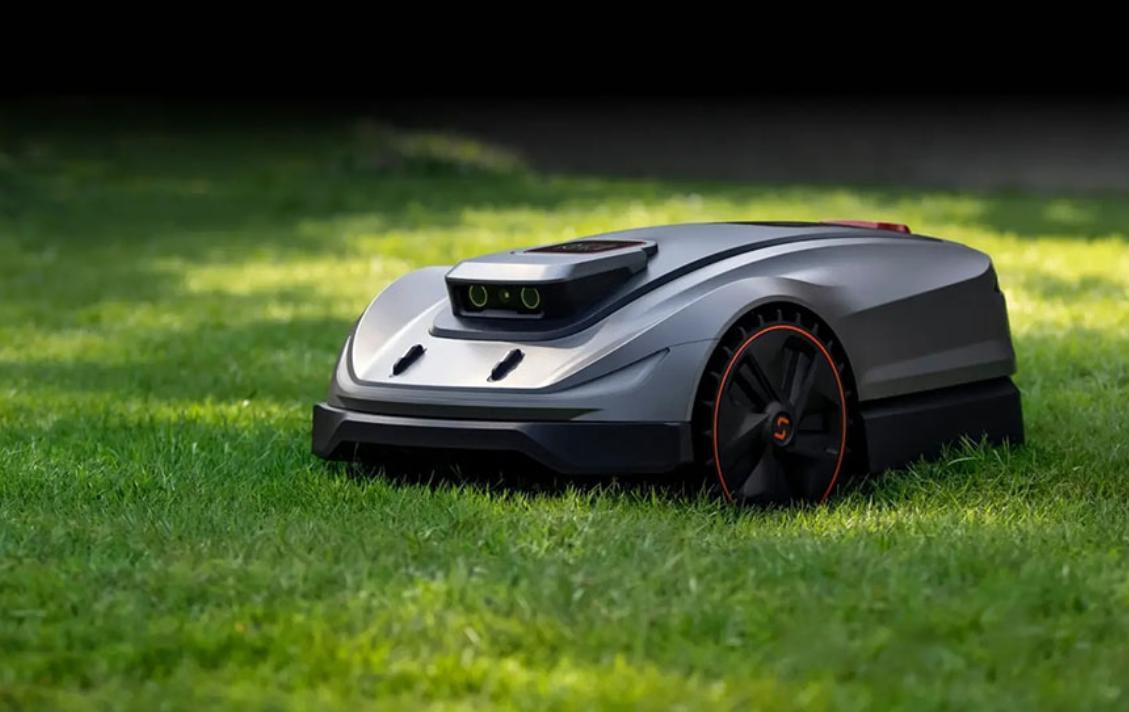
Choosing a mulching robot mower feels easier than ever, but the options can also be confusing. Models differ in cutting systems, navigation, and smart features, and these details affect how well they fit your lawn. A good match can save hours of yard work, cut running costs, and improve lawn health through fine clippings that feed the soil. A poor choice can leave missed patches, scalped areas, or constant error alerts. Before you buy, it helps to understand your garden layout, grass type, and expectations so you can compare features and find a mower that truly suits your yard.
What Factors Should You Consider Before Buying a Mulching Robot Mower?
Lawn Size, Terrain, and Property Layout Requirements
Start by measuring your lawn and checking the maximum recommended area for each model. Manufacturers list “m² coverage” or “acreage” based on ideal conditions, so choose a mower with extra capacity for slopes, obstacles, and thick turf. Look at the number of separate zones you need to manage, such as front yard, back yard, and side strips. Narrow passages, trees, flower beds, and play areas affect how the mower moves and returns to the base. Steep slopes demand strong wheel traction and a higher gradient rating. The right match ensures full coverage without overloading the robot or draining the battery.
Mulching Technology, Blade Design, and Cutting Performance
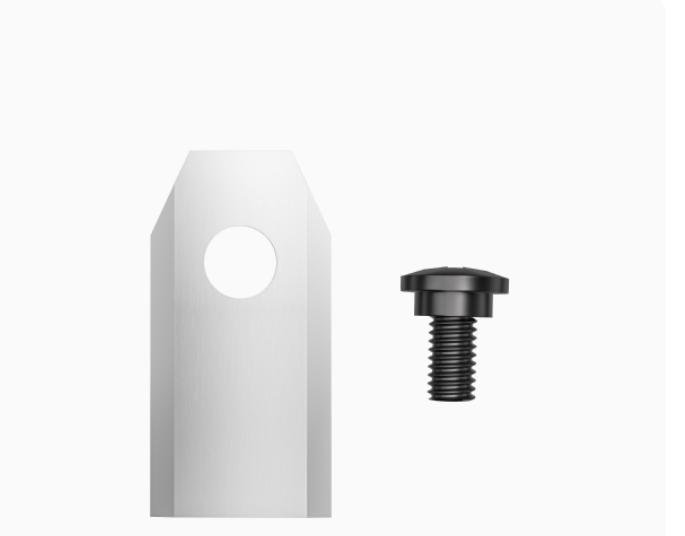
Mulching robot mowers cut grass frequently and finely so clippings drop back into the lawn. Look at blade type: pivoting razor blades work quietly and safely, while solid steel blades give a cleaner cut on tough grass. Check adjustable cutting heights to match your grass species and seasonal growth. A wider cutting deck covers more ground per hour but may struggle in narrow sections; a narrower deck steers better in tight spaces. Review how the mower handles damp grass and uneven growth. Consistent, sharp cutting with true mulching action keeps clippings small, reduces thatch, and leaves a more even, healthier lawn surface.
Navigation Systems, Boundary Options, and Smart Mapping Features
Navigation systems determine how accurately the robot covers your lawn. Many models use boundary wires to define the mowing area and guide the robot back to the charging station. Others use wireless boundaries, GPS, or camera-based vision to map the yard. Look for advanced mapping that allows multi-zone programming, adjustable start points, and systematic patterns instead of random paths. This improves coverage and reduces patchy areas. Check how the mower avoids obstacles and handles tight paths between zones. Reliable navigation reduces manual intervention, prevents escapes into driveways or borders, and keeps the mower working efficiently within the intended lawn area.
How Do Mulching Robot Mowers Benefit Lawn Care and Maintenance?
Improving Lawn Health Through Natural Nutrient Recycling
Mulching robot mowers cut a little grass at a time and leave the fine clippings on the lawn. These clippings break down quickly and return nitrogen and other nutrients to the soil, acting like a free, gentle fertilizer. Because cutting happens often, the clippings do not clump or smother the grass. Instead, they slip down to the soil surface and support microbial life. This process can improve color, density, and root depth over time. With consistent mulching, many homeowners reduce synthetic fertilizer use. Healthier soil also handles stress better, so the lawn copes with heat, foot traffic, and seasonal changes more easily.
Reducing Grass Collection, Disposal, and Routine Yard Work
Traditional mowing often means pushing a heavy machine, emptying a grass bag, and dealing with piles of clippings. A mulching robot mower removes most of that effort. It shreds grass into tiny pieces and leaves them behind, so you no longer need to collect or bag clippings. This reduces trips to the compost heap or green waste collection point. Because the robot trims more often, the lawn stays at a consistent height, so you spend less time on emergency weekend cuts. Routine chores shift from active mowing to simple tasks like checking the mower, cleaning the deck, and changing blades as needed.
Enhancing Mowing Efficiency with Continuous Automated Operation
Mulching robot mowers work on a schedule, often several times a week or even daily, which keeps grass growth under control with minimal effort from you. Instead of one long mowing session, the robot performs many short runs that use battery power efficiently. It returns to the charging base when needed and resumes mowing according to the set program. This continuous operation prevents overgrown patches and reduces strain on the grass. You can schedule work during the day or at night, depending on noise levels and local rules. Over time, regular cutting creates a more uniform lawn with fewer visible wheel marks.
Which Features Deliver the Best Value in a Mulching Robot Mower?
Battery Life, Coverage Capacity, and Charging Performance
Battery performance directly affects how well the mower handles your lawn. Check the stated run time per charge and the recommended maximum area to ensure the model can cover your grass with margin to spare. Lithium-ion batteries are standard and offer good energy density and life span. Look at how quickly the mower recharges and how it manages its work cycles; efficient models optimize route planning and charging so they complete the lawn within a set period. Some units adjust power for thicker grass to save energy on lighter areas. Robust battery capacity, smart charging, and proper coverage ratings together deliver consistent results and long-term value.
App Connectivity, Scheduling Tools, and Remote Management Functions
Many mulching robot mowers now connect to smartphone apps via Wi-Fi, Bluetooth, or cellular networks. These apps let you define mowing schedules, adjust cutting height, and start or stop mowing from anywhere. Some systems offer zone management, so you can assign different schedules or heights to specific areas. Notifications alert you if the mower gets stuck, needs maintenance, or leaves the defined area. Integration with voice assistants or smart home platforms adds extra convenience. Remote software updates can improve performance over time. Strong app features make daily use simpler, give you more control, and help you fine-tune the mower to your lawn’s needs.
Ownership Costs, Maintenance Requirements, and Long-Term Reliability
Upfront price is only part of the cost of a mulching robot mower. Consider the expected life of the battery, blade replacement frequency, and any subscription fees for connectivity or GPS tracking. Check how easy it is to change blades, clean the housing, and replace wear parts. Sealed electronics and good weather resistance extend life, especially if the mower stays outdoors. User reviews and brand reputation give clues about reliability and service support. Look for clear warranty terms and available local repair centers. A durable mower with affordable parts, sensible maintenance needs, and responsive support usually provides much better long-term value.
Conclusion
Choosing the robot mowers with mulching blades involves more than picking a popular brand or the lowest price. You need to match lawn size, terrain, and layout with the mower’s navigation system, cutting performance, and coverage capacity. Strong mulching action supports soil health, while automation reduces weekly yard work and grass disposal. Smart features such as app control, mapping, and tailored scheduling add convenience and precision. At the same time, you should weigh battery life, maintenance costs, and reliability to understand total ownership value. With these points in mind, you can select a mulching robot mower that keeps your lawn neat, healthy, and low-maintenance.