
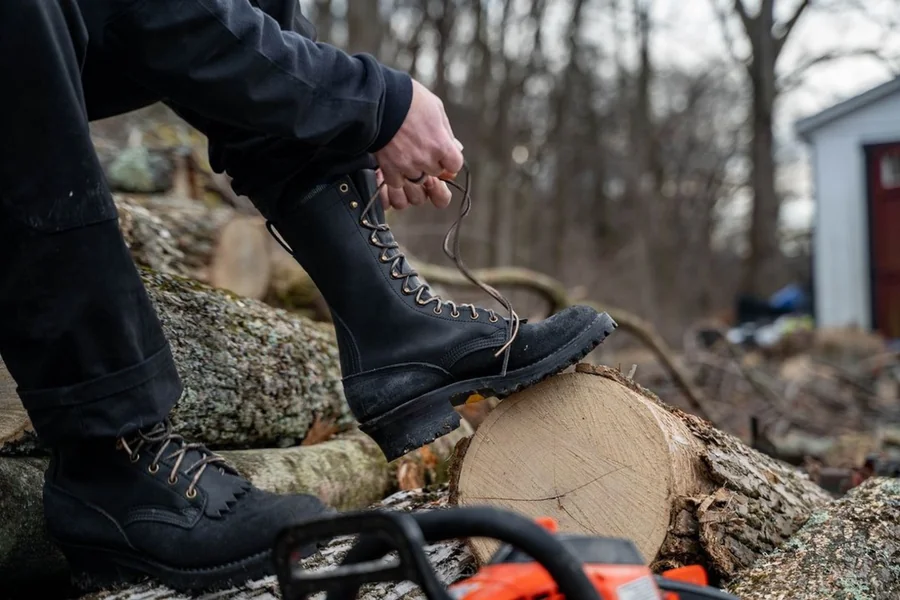
What to Look for in a Quality Wedge Boot: A Buyer’s Checklist
Material Matters: Choose High-Quality Leather
The material of your wedge boot is the biggest factor determining its durability, comfort, and overall appearance. Quality boots are typically made from full-grain leather—the highest grade available and prized for strength and resilience. Full-grain leather comes from the top layer of the hide, retaining its natural grain, giving each boot its unique character and potential to develop a beautiful patina over time. Unlike lower-quality leathers, such as corrected or split leather, full-grain offers the best balance of toughness and aesthetic appeal. When evaluating wedge boots, take note of the leather’s thickness, suppleness, and surface. Avoid boots with cracks, blemishes, or excessively stiff leather, which can signal subpar quality or inferior tanning methods.
Knowing what sets high-quality leather apart helps ensure your boots last for many seasons. Full-grain leather is naturally breathable, molding to the shape of your foot over time for a personalized fit. This conformability enhances comfort and reduces the likelihood of painful hotspots or blisters.
Construction Counts: Goodyear Welt for Longevity
The true foundation of a quality wedge boot lies in its material and how it is constructed. One of the most highly regarded methods is the Goodyear welt, which involves sewing a strip of leather—the welt—around the edge of the boot’s upper and sole. This technique creates a robust, water-resistant barrier and allows the outsole to be replaced when it eventually wears down, vastly increasing the lifespan of your boots. Unlike simpler constructions that glue or cement the sole directly to the upper, Goodyear welted boots can often be resoled, making them a wise long-term investment for casual wearers and demanding work situations.
Understanding construction methods will help you appreciate why some boots last for years while others quickly fall apart. Blake stitching and cemented soles are other common approaches. Still, they typically provide less overall durability and cannot withstand years of use and resoling like a Goodyear welted boot can. If you regularly encounter wet or uneven terrain, the sturdy construction and superior water resistance of the Goodyear welt are particularly valuable.
Sole Selection: Prioritize Traction and Comfort
The sole forms the literal base of your comfort and safety. Rubber soles are an excellent choice for wedge boots, offering superb traction that keeps you stable on slick surfaces, wet floors, or uneven outdoor terrain. A good wedge sole should have enough thickness and firmness to provide support, yet be flexible to allow your foot to move naturally. Shock-absorbing qualities in the sole will cushion every step, reducing fatigue on hard pavements or after long hours of standing and walking. Brands often use materials like Vibram or crepe rubber for advanced grip and durability.
Do not overlook the tread pattern as well—it impacts slip resistance and how the boot wears over time. Deep, multidirectional lugs give great footing in wet or muddy conditions, while smoother crepe soles offer maximum comfort for urban environments. Cushioning within the sole or included footbeds further enhances all-day wearability, making your wedge boots suitable for work and leisure. Try to choose soles that are tough and replaceable, extending the life of your favorite pair.
Shank Support: Essential for Stability
One of the lesser-known but vital components inside a high-quality wedge boot is the shank. This sturdy piece, usually made of steel or composite plastic, sits between the insole and outsole, spanning the arch area. While not all wedge boots include a shank due to the flatness of their profile, models with good shank support offer better distribution of weight and improved stability, especially on rough ground or during long work hours. Arch support provided by a solid shank can prevent foot fatigue, minimize the risk of injuries, and provide a noticeably more secure, comfortable stride. If you plan on extended use or require extra stability, always check the product specs or reviews to see if a shank is mentioned.
Fit and Sizing: Ensure Proper Measurements
No matter how well-made or attractive a wedge boot is, a poor fit undermines all its benefits. Achieving the right fit starts with measuring your foot’s length and width accurately, either at home using a printable guide or with the help of a professional fitter. Since brand sizing varies significantly, consulting and comparing sizing charts for each manufacturer before purchasing is essential. Try boots on towards the end of the day—when your feet are naturally a bit swollen—to ensure a more realistic fit. Your boot should securely hug the heel with minimal slippage, provide enough room in the toe box for movement, and feel snug yet comfortable across the instep without pinching.
If you have a wide or narrow foot, do not settle for a standard size; look for brands offering multiple width options or designs catering to your specific foot profile. Please pay close attention to feedback from other customers about fit, as it often points out unusual quirks in sizing or break-in periods.
Insole Quality: Look for Comfort and Support
Inside the boot, the insole provides direct contact with your feet and can make or break comfort during wear. High-quality insoles, especially leather ones, promote breathability, wick away moisture, and conform to your foot’s contours over time. Foam or gel-cushioned insoles are excellent for those who need added shock absorption, offering relief on hard surfaces or long days at work. Replaceable or removable insoles are also an advantage, as you can insert custom orthotics if you have unique support needs.
If buying second-hand, avoid wedge boots with insoles that show visible depressions or wear from previous users. These can reduce cushioning and proper support, leading to discomfort or even foot pain.
Stitching and Detailing: Indicators of Craftsmanship
Meticulous attention to stitching and minor details separates a high-end boot from a mass-produced one. Examine the boot closely for tight, even stitches without gaps, loose threads, or irregular lines. Reinforced double or triple stitching in high-stress areas—such as along the seams, heel, and toe—enhances durability and resists splitting. Decorative stitching, burnished edges, and hand-finished elements should be symmetrical and skillfully applied, demonstrating the bootmaker’s expertise and pride in their work. These little touches, although sometimes overlooked, ensure your wedge boots aren’t just functional, stylish, and refined.
Brand Transparency: Research the Manufacturer
Trustworthy companies stand behind the quality of their boots, providing clear and honest information about their materials, construction process, and labor practices. Take the time to research the manufacturer’s reputation—brands that value transparency often go into detail about their sourcing, environmental impact, and commitment to craftsmanship. Reading customer reviews and testimonials can give you a sense of the brand’s real-world reliability and service.
By paying close attention to these critical attributes—material, construction, sole quality, support, fit, insole comfort, fine detailing, and brand transparency—you ensure your next wedge boot purchase will offer style, functionality, and durability. A smart investment in your footwear means you enjoy immediate satisfaction and years of dependable, comfortable wear.


