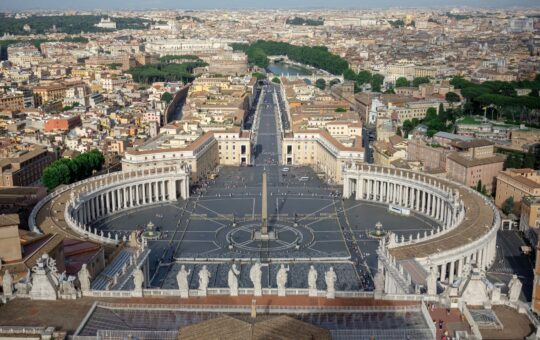

Some destinations are famous for beaches, others for nightlife or food. But for travelers drawn to beauty in the built environment, decorative architecture offers a different kind of attraction. It turns a simple walk into a visual experience through carved facades, painted ceilings, tiled courtyards, sculpted balconies, and ornamented streetscapes.
Around the world, cities have used design not only to impress but to communicate identity, faith, wealth, and craftsmanship. In many historic places, those details remain stunning centuries later. From Europe to North Africa and Asia, these are the top ten travel destinations where decorative architecture shapes the atmosphere of every neighborhood.
Barcelona, Spain
Barcelona is one of the world’s most recognizable design cities, thanks in large part to Antoni Gaudí and the Catalan Modernisme movement. Landmarks such as the Sagrada Família, Casa Batlló, and Park Güell blend flowing forms, symbolism, and vibrant surface decoration.
The city also embraces mosaic art in public spaces, where color and texture animate benches, facades, and plazas. Barcelona attracts more than 12 million visitors annually, and architecture remains one of its biggest draws.
Istanbul, Turkey
Straddling two continents, Istanbul layers Byzantine and Ottoman design traditions spectacularly. Domes, courtyards, calligraphy, tilework, and intricate interiors define major sites such as Hagia Sophia, Topkapı Palace, and the Blue Mosque. The city’s architectural richness reflects its role as a capital of empires for more than 1,500 years.
Marrakech, Morocco
Marrakech exhibits mesmerizing ornaments almost everywhere: traditional riads, palaces, and mosques showcase carved cedar, plaster detailing, geometric tilework, and lush courtyards designed for privacy and climate control. The medina remains one of the most visually distinctive urban centers in the world, where decorative traditions continue through active artisan workshops.
Venice, Italy
Venice is a concentration of elegance and history. Gothic palaces line canals with arched windows and stone tracery, while churches reveal gilded interiors, marble floors, and dramatic proportions. With more than 400 bridges and centuries of merchant wealth behind it, Venice transformed decorative architecture into a civic identity.

Jaipur, India
Known as the Pink City, Jaipur is celebrated for painted facades, lattice windows, palace courtyards, and refined Rajput architecture. Sites such as Hawa Mahal and City Palace demonstrate how ornament and function worked together in hot climates.
The city forms part of India’s Golden Triangle tourism route and remains one of the country’s most visited heritage destinations.
Prague, Czech Republic
Prague concentrates centuries of European architecture into one cityscape. Gothic towers, Baroque churches, Art Nouveau interiors, and pastel historic facades create a remarkably cohesive visual experience. Its UNESCO-listed center draws millions of visitors each year, many arriving specifically for its preserved architectural beauty.
Seville, Spain
Seville combines Moorish influence, Gothic grandeur, and Andalusian flair. The Royal Alcázar is among Europe’s finest examples of decorative palace design, while churches, mansions, and courtyards continue the city’s love of pattern and light. Look closely across the city, and you will notice recurring mosaic patterns that bring entrances, fountains, and garden walls to life.
Rome, Italy
Rome is famous for monuments, but its decorative richness often hides in plain sight. Churches, piazzas, fountains, and noble residences display carved stone, painted domes, inlaid floors, and layered historical styles. With nearly 3,000 years of urban history, Rome offers one of the deepest architectural timelines anywhere in the world.
Kyoto, Japan
Kyoto approaches decoration with a certain minimalism. Temple compounds, teahouses, gardens, sliding screens, lacquer finishes, and joinery reveal the power of subtle craftsmanship. As Japan’s imperial capital for more than a millennium, Kyoto preserves over 1,600 Buddhist temples and countless examples of refined traditional design.
Lisbon, Portugal
Lisbon shines through texture and color. The city is famous for azulejo tile facades, wrought-iron balconies, patterned pavements, and sunlit streets climbing steep hills.
After the 1755 earthquake, much of Lisbon was rebuilt with new planning ideas, yet decorative surfaces remained central to its identity.