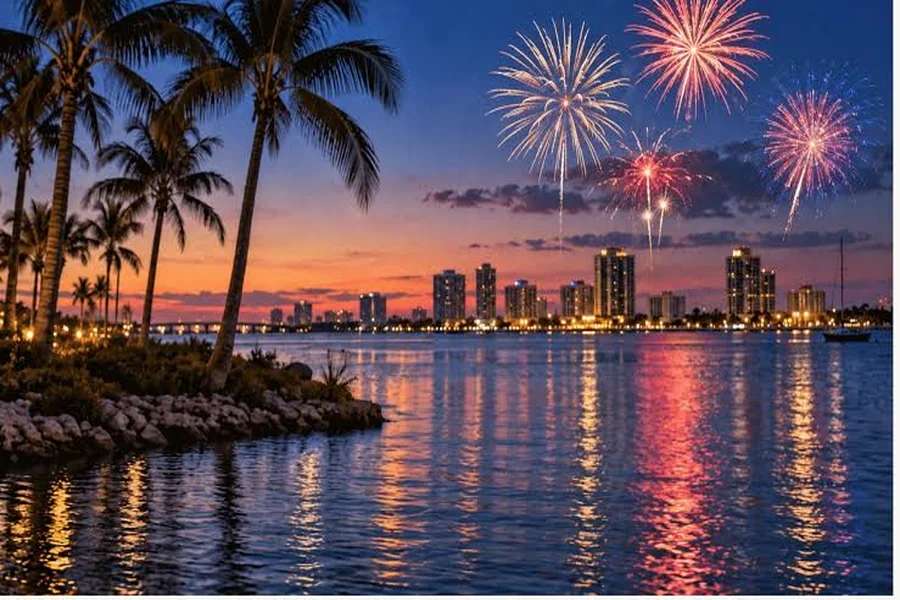

Buying fireworks can be one of the most exciting parts of planning a celebration. Whether it is Bonfire Night, New Year’s Eve, a wedding, or a private garden gathering, the right selection can turn an ordinary evening into something memorable. Yet it is easy to get carried away by bright packaging, dramatic product names, and the promise of a huge display.
A better approach is to buy with a plan.
The most successful home displays are not necessarily the largest or most expensive. They are the ones that suit the space, match the audience, follow safety guidance, and offer enough variety to hold attention without becoming chaotic. Before you start filling a basket, work through the practical questions below.
Start With Your Space, Not the Firework
The first question is not “What looks impressive?” It is “What can I safely use here?”
Your garden, driveway, or event site determines what types of fireworks are appropriate. A compact urban garden has very different limitations from a large rural field. Consider overhead obstructions, neighbouring homes, trees, sheds, parked cars, fencing, and any nearby livestock or animals. Also think about where guests will stand and how they will enter and leave the viewing area.
Most fireworks are labelled with a minimum safety distance. Treat that distance as a non-negotiable requirement, rather than a rough suggestion. If you cannot create a clear firing area and a separate viewing area, choose quieter, lower-powered products or reconsider whether a home display is suitable at all.
Think About Noise as Well as Distance
Noise is often the overlooked part of planning. A powerful firework may be legal to buy and technically safe to use in a suitable space, but that does not mean it is the right choice for your setting.
Children, pets, older neighbours, shift workers, and people with sensory sensitivities may all be affected by loud reports. If your event is in a built-up area, fountains, mines, coloured effects, and low-noise options can still create a satisfying display without making the evening unnecessarily disruptive.
Decide What Kind of Display You Want
A collection of random fireworks can work, but a little structure makes a major difference. Aim for a beginning, middle, and finish. Start with smaller visual effects while people settle in, build towards larger aerial pieces, then end with your strongest item or a coordinated selection of cakes.
Before buying, it helps to choose a rough duration. For many private gatherings, a focused display of around 10 to 15 minutes feels more polished than a long sequence with gaps between items. The audience stays engaged, and the person lighting fireworks is less likely to feel rushed or lose track of the plan.
A straightforward shopping list might include:
- A few ground-based effects or fountains for an opening
- Several aerial fireworks with contrasting colours and patterns
- One or two larger pieces reserved for the finale
- A pack of sparklers, where suitable, plus proper holders and gloves
- Safety essentials such as a stable firing board, water, and a torch
The point is not to follow a formula rigidly. It is to avoid buying ten versions of the same effect while forgetting the practical equipment that makes the display manageable.
Buy From a Specialist Retailer
Price matters, but it should not be the only deciding factor. Fireworks should be clearly labelled, supplied with instructions, and sourced through a reputable retailer that can explain what each product does, how much space it needs, and where it fits in a display.
For example, browsing a specialist supplier such as www.anfieldfireworks.com can help buyers compare categories, effects, and display options before making a decision. That matters because product names alone rarely tell the full story. A “cake,” “barrage,” or “selection box” can vary significantly in duration, shot count, noise level, and safety distance.
Avoid buying products with missing instructions, damaged packaging, or unclear origin. Fireworks are regulated products, not novelty items. If something looks poorly stored or does not have the required labelling for your market, it is not worth the risk.
Read Labels Before You Reach the Firing Area
The safest time to understand a firework is before the event begins. Read every instruction in daylight and sort fireworks in the order you intend to use them. Check the category, minimum spectator distance, orientation, lighting point, and whether the item needs securing to a stake or board.
This preparation prevents a common problem: someone trying to read tiny instructions outdoors in the dark while guests are waiting.
Check the Legal and Practical Details
Rules around fireworks vary by location, so always confirm the current requirements for your area. In the UK, that includes restrictions on when fireworks can be used, age limits for purchasing them, and local rules that may apply to public spaces or organised events.
If you are holding a larger gathering, consider insurance, landowner permission, parking, noise expectations, and whether the event might require professional support. A wedding venue, village hall, or rented field may have its own conditions even when the law permits fireworks.
Weather is another practical consideration. Strong winds can make a display unsafe, while persistent rain can affect equipment and firing conditions. Have a backup plan. It may be disappointing to postpone, but it is far better than forcing a display in unsuitable conditions.
Prepare for Safe Use and Disposal
Buying responsibly continues after checkout. Store fireworks in a cool, dry place, away from children and ignition sources, and keep them in their original packaging until needed. On the night, appoint one sober adult to manage the firing area. Everyone else should remain behind the agreed viewing line.
Never return to a firework that appears not to have ignited. Follow the manufacturer’s guidance, allow sufficient time, and treat it as live. Keep water or a bucket of sand nearby for emergencies and for soaking used items once they are fully cold.
After the display, inspect the area carefully in daylight if possible. Collect debris, check for smouldering material, and dispose of used fireworks in line with local guidance. A great display should leave behind memories, not litter or avoidable risk.
Make the Celebration Fit the Setting
The best fireworks purchase is not about choosing the loudest box or the biggest advertised burst. It is about matching the display to the people, place, and occasion. Plan the sequence, understand the labels, respect your neighbours, and give safety the same attention as spectacle.
Do that, and your fireworks will feel less like a pile of products and more like a well-run event: exciting, considered, and enjoyable for everyone watching.