
A roof is one of the most important structural elements of any building, providing protection from the weather while contributing significantly to the property's appearance and value. Among the many roofing materials available today, slate, shingle, copper, and lead roofing have earned a reputation for durability, aesthetic appeal, and long-term performance. Each material offers unique benefits and considerations, making it essential for property owners to understand their characteristics before making an investment.
Slate Roofing: Timeless Beauty and Exceptional Longevity
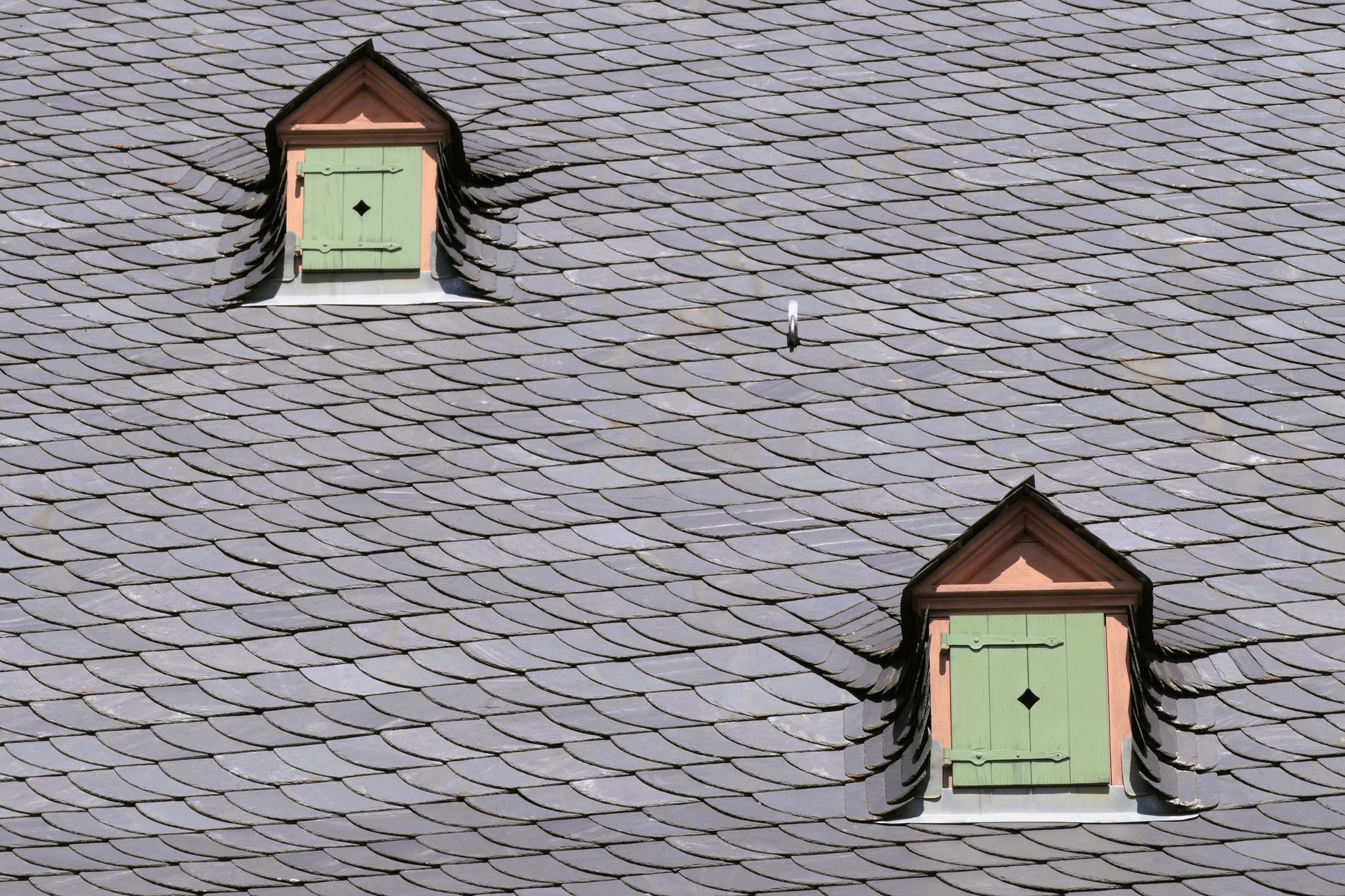
Slate roofing has been used for centuries and remains one of the most prestigious roofing materials available. Made from natural stone, slate tiles offer unmatched durability and a distinctive appearance that enhances both historic and contemporary properties.
One of the greatest advantages of slate roofing is its lifespan. A properly installed slate roof can last between 75 and 150 years, significantly outlasting many alternative materials. Slate is naturally resistant to fire, mold, insects, and harsh weather conditions, making it an excellent choice for areas exposed to extreme climates.
In addition to its durability, slate provides a sophisticated and elegant appearance. Available in a range of natural colors, including gray, black, green, purple, and red, slate allows homeowners and architects to create visually striking roof designs.
However, slate roofing is relatively heavy and requires a structurally sound building to support its weight. Installation also demands specialized expertise, which can increase upfront costs. Despite the higher initial investment, many property owners consider slate roofing a worthwhile choice due to its exceptional lifespan and minimal maintenance requirements.
Shingle Roofing: Versatility and Affordability
Shingle roofing is among the most common roofing systems used worldwide. Asphalt shingles, in particular, are popular due to their affordability, ease of installation, and wide variety of styles and colors.
Modern shingles are designed to provide reliable protection against rain, wind, and UV exposure. Depending on the quality of the product and environmental conditions, asphalt shingle roofs typically last between 20 and 30 years. Architectural and premium shingles can offer even greater durability and enhanced visual appeal.
One of the key benefits of shingle roofing is its versatility. Homeowners can choose from numerous colors, textures, and designs to complement different architectural styles. Shingles are also relatively lightweight, making them suitable for most residential structures without requiring additional reinforcement.
Maintenance and repairs are generally straightforward, as damaged shingles can often be replaced individually without affecting the rest of the roof. This convenience helps keep repair costs manageable over time.
While shingle roofing is cost-effective and widely available, it does not offer the same longevity as slate, copper, or lead roofing. Property owners seeking a long-term roofing solution may need to consider future replacement costs when evaluating their options.
Copper Roofing: Premium Performance and Distinctive Character
Copper roofing is renowned for its exceptional durability, unique appearance, and resistance to environmental damage. Often found on historic buildings, churches, government structures, and high-end residential properties, copper roofs provide both practical and aesthetic advantages.
One of the most remarkable characteristics of copper is its longevity. A well-installed copper roof can last 80 to 100 years or more with minimal maintenance. Copper is naturally resistant to corrosion, rot, and insect damage, making it particularly effective in challenging climates.
As copper ages, it undergoes a natural oxidation process that transforms its bright metallic surface into a distinctive green or blue-green patina. This patina not only enhances the roof's appearance but also acts as a protective layer that further increases the material's durability.
Copper roofing is lightweight compared to many other premium materials, reducing structural stress while maintaining exceptional strength. It is also highly malleable, allowing skilled roofers to create intricate designs and detailed flashing around chimneys, dormers, and architectural features.
The primary drawback of copper roofing is its cost. Material and installation expenses are significantly higher than those associated with standard roofing systems. However, many property owners view copper as a long-term investment due to its durability, low maintenance requirements, and timeless aesthetic appeal.
Lead Roofing: Traditional Protection for Complex Structures
Lead roofing has a long history of use in architectural construction, particularly on heritage buildings, churches, and structures with complex roof designs. Its flexibility and weather-resistant properties make it especially valuable for roofing details and waterproofing applications.
One of the key advantages of lead is its malleability. The material can be shaped and formed to fit intricate roof features, providing a highly effective waterproof seal around joints, valleys, chimneys, and other vulnerable areas. This adaptability makes lead an excellent choice for restoration projects, conservation work, and specialized heritage roofing applications.
Lead roofing is also highly durable and capable of lasting more than 100 years when properly installed and maintained. It performs exceptionally well in varying weather conditions and remains resistant to corrosion over time.
Another benefit is lead's self-healing properties. Minor surface scratches often oxidize naturally, helping to maintain the material's protective qualities without extensive maintenance.
Despite its advantages, lead roofing requires skilled installation and careful handling due to its weight and specialized application methods. Environmental considerations have also led to stricter regulations regarding the use and disposal of lead materials in some regions.
Choosing the Right Roofing Material
Selecting the ideal roofing material depends on several factors, including budget, architectural style, expected lifespan, maintenance preferences, and local climate conditions.
Slate roofing offers unmatched longevity and natural beauty, making it ideal for homeowners seeking a premium, long-lasting solution. Shingle roofing provides affordability and versatility, making it a practical option for many residential properties. Copper roofing combines exceptional durability with a distinctive appearance that evolves beautifully over time, while lead roofing remains a trusted choice for historic buildings and complex architectural details.
When evaluating roofing options, it is important to consider both short-term costs and long-term value. A higher initial investment in premium materials may result in lower maintenance expenses and fewer replacements over the life of the building.
Slate, shingle, copper, and lead roofing materials each offer unique benefits that cater to different building types and project requirements. Whether prioritizing affordability, longevity, aesthetics, or historical authenticity, property owners can find a roofing solution that meets their needs. By working with experienced roofing professionals and selecting quality materials, homeowners and building managers can ensure reliable protection and lasting performance for decades to come.