
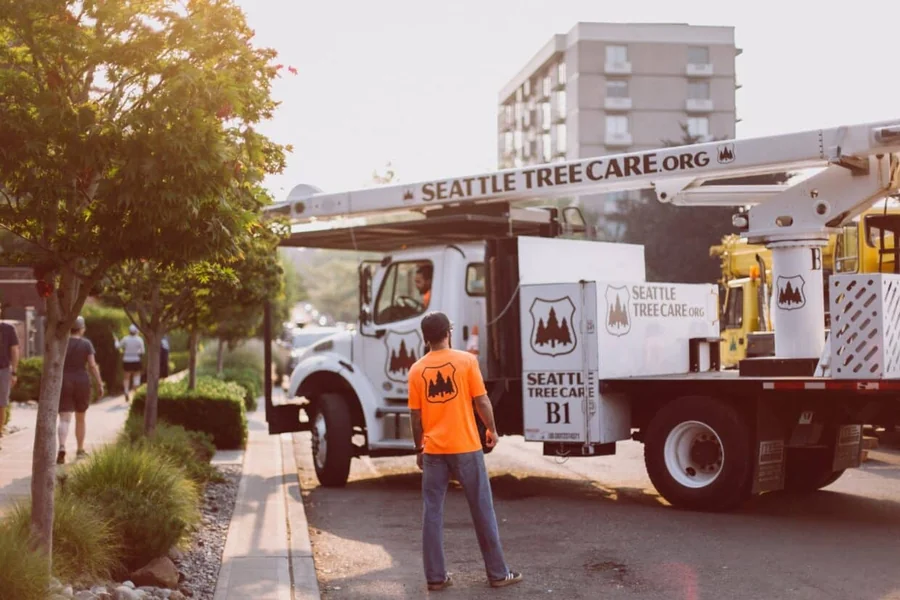
Tree care quotes in Seattle can vary by hundreds or thousands of dollars for the same yard. The difference usually comes from inspection depth, crew access, cleanup requirements, disposal volume, and assumptions about risk. Clear wording matters because broad labels like “trim” or “remove” often hide very different levels of work, equipment, liability, and follow-up costs.
Homeowners need practical questions before approving pruning, removal, or hedge work. Branches near roofs, clogged gutters, sidewalk lift, tight side yards, utility clearance, and protected-tree rules can all affect price and timing. A stronger estimate separates safety, tree health, access, cleanup, and optional appearance work so each recommendation can be compared against visible property conditions.
Ask for a Diagnosis Before Any Cutting Recommendation
Start by asking the Seattle tree service company what condition is driving the recommendation before discussing trimming, removal, or clearance work. Visible tree issues should be named and shown before any crew talks about cutting. Ask if the concern is deadwood, weak branch attachment, disease, roof contact, poor clearance, or simple overgrowth. A solid arborist will point out specific signs like cracked limbs, a thinning canopy, bark damage, mushrooms near the base, or branches rubbing against siding or shingles, then connect those details to the proposed cuts.
Written notes matter because “trim” can mean anything from light clearance to heavy reduction that changes the tree’s structure. The diagnosis should be stated in plain terms, with the included limbs identified and the purpose of each cut explained. If the explanation stays vague or skips observable evidence, treat the bid as a generic trim-or-remove quote and request a documented on-site assessment.
A professional tree service helps keep your property safe, clean, and beautiful by providing expert care for trees of all sizes. From trimming overgrown branches to removing damaged trees, proper maintenance improves curb appeal, reduces safety risks, and keeps your outdoor space healthy and attractive throughout the year.
Separate Safety Work From Cosmetic Pruning
Branches hanging over a driveway, deadwood above a walkway, and dense growth resting on the roofline are direct hazards that should be priced separately. Ask the arborist to point to the exact limb or contact point and state what risk it reduces, including falling potential, strike zone, and clearance needed for vehicles or foot traffic. When those cuts are grouped with general thinning or “cleanup,” the price stops reflecting the true priority of the work.
Light improvement, view opening, and symmetry cuts are usually optional and should be shown as separate line items with a clear description of how much material is being removed. Confirm the difference between clearance pruning and cosmetic thinning, since both can be labeled “trim” on an estimate. If the bid mixes hazard reduction with appearance goals, request a revised quote that breaks out safety-only work so the first approval covers the property-risk items.
Use Tree Health Clues Before Paying for Removal
Removal should follow a visible defect, not a quick assumption based on size, age, or inconvenience. Ask the arborist to inspect the root flare, trunk, major limbs, and canopy before recommending a full takedown. Important clues include fungal growth, trunk cracks, hollow areas, sparse leaf growth, dead scaffold limbs, pest activity, old topping cuts, leaning changes, and root damage from nearby digging or grade changes.
Before approving removal, the written opinion should explain why keeping the tree is not realistic or safe. It should compare practical alternatives, such as load reduction pruning, soil aeration, drainage improvement, pest treatment, cabling, or scheduled monitoring after storms and seasonal growth changes. If removal is still the best option, the estimate should name the defect, describe the likely failure point, identify nearby targets, and explain why pruning or plant health care would not reduce the risk enough.
Control Costs With a Defined Service Scope
One estimate that says “prune back and clean up” can hide major differences in labor, equipment, and disposal. The arborist should identify the exact tree or hedge, the service type, and the work limit. The scope should state crown cleaning, clearance pruning, reduction, removal, hedge cutting, debris chipping, hauling, and the cleanup level included.
Seattle access details can change the total price as much as the tree work itself. Tight side yards, fences, gates, garden beds, parked vehicles, street parking, permits, and chip truck placement should be noted before comparing bids. For removals, the estimate should include stump grinding depth, surface-root handling, and utility-line coordination so each quote reflects the same site conditions.
Schedule Maintenance Around Measurable Property Needs
Gutter overflow after rain, repeated twig drop on a driveway, and new roof contact are practical signs that tree work should move higher on the list. Focus first on trees affecting roofs, gutters, sidewalks, driveways, service lines, fences, parking areas, or shared boundaries. These locations create the most immediate repair risk, access problems, and neighbor concerns.
Seasonal timing should be tied to observable property conditions, not a fixed yearly habit. Fast growth, fruit or leaf drop, storm breakage, nearby construction, trenching, and grade changes can all change the maintenance schedule. A useful plan should identify what can wait, what needs rechecking, and which specific change would move pruning, removal, or plant health care forward.
A better estimate should start with a documented diagnosis, visible evidence, and a written scope that separates risk reduction from appearance work. Before approving pruning, removal, hedge cutting, or stump grinding, compare each bid against the same details: affected tree, exact cuts, cleanup level, hauling, access limits, parking, permits, stump work, and utility coordination. Ask which items are urgent, which can wait, and what condition would trigger future service. For Seattle homeowners comparing options, a consultation with an ISA-certified arborist can help reduce surprise costs, limit unnecessary cutting, and turn broad recommendations into a practical scope.