
Esports tournaments depend on fast, accurate, and well-organized content. Every competition involves schedules, team profiles, player information, match results, brackets, rules, sponsor content, live updates, highlight pages, ticket details, broadcast information, and regional announcements. When tournaments grow across multiple games, languages, locations, and platforms, managing this content manually can become difficult. A single outdated match time or incorrect team detail can create confusion for fans, players, organizers, and broadcast teams.
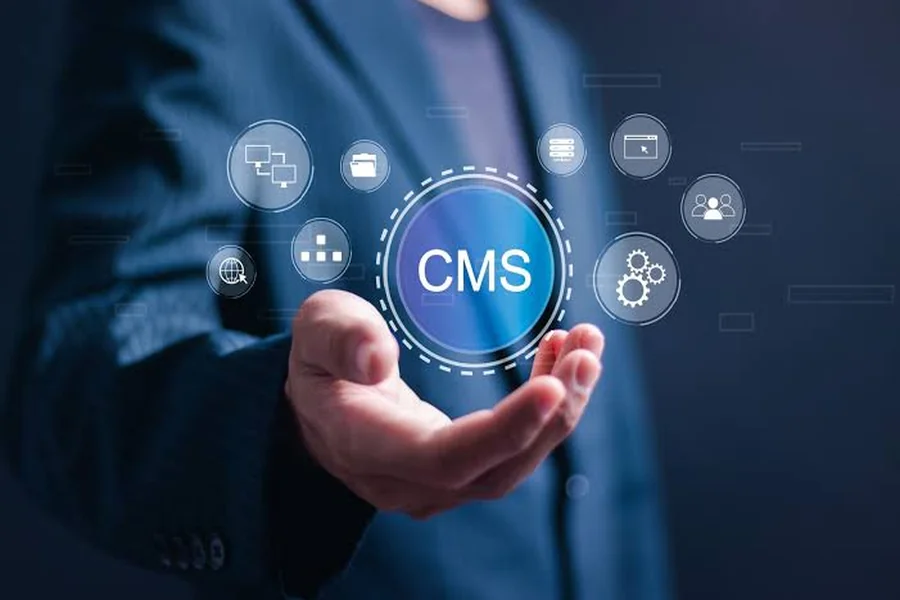
A headless CMS gives esports organizations a more flexible way to manage tournament content across digital channels. By separating content from the front-end experience, tournament teams can update information once and deliver it to websites, mobile apps, event screens, broadcast overlays, social channels, and community hubs. This makes it easier to keep tournament content consistent, timely, and scalable as esports events become larger and more global.
Supporting Real-Time Match Updates and Results
Esports audiences expect tournament content to move at the same speed as the event itself. Once a match ends, fans want to see results, updated standings, bracket progress, player statistics, and post-match summaries quickly. If results are delayed or inconsistent across channels, the event can feel less professional. Real-time accuracy is especially important during major tournaments where thousands of fans may be following every update. Check it out to discover how a centralized content management system can help esports organizers deliver timely and consistent tournament updates across multiple digital channels.
A headless CMS can support real-time match updates by connecting structured content with result feeds, admin workflows, and publishing systems. Match results can be entered or integrated into the CMS and then distributed across websites, apps, tournament hubs, and live event displays. Content teams can also add context, such as match summaries, key moments, or next-round implications. This makes the tournament easier to follow and gives fans a stronger connection to the competition. Real-time content delivery turns match results into an active part of the viewer experience rather than a delayed recap.
Organizing Team and Player Profiles More Effectively
Team and player profiles are important for building fan engagement around esports tournaments. Fans want to learn about rosters, player roles, previous results, regions, play styles, achievements, and storylines. However, profile information can become difficult to manage when teams change rosters, players use different names across platforms, or tournaments include competitors from many regions. If this information is scattered, profiles can become outdated quickly.
A headless CMS gives organizers a structured way to manage team and player content. Each team profile can include a logo, region, roster, coach details, history, social links, and tournament status. Each player profile can include name, handle, nationality, role, statistics, biography, and related media. These entries can be connected to matches, brackets, articles, and highlight pages. When a player or team detail changes, teams can update the central entry instead of editing many pages manually. This keeps tournament storytelling accurate and easier to scale.
Making Tournament Brackets Easier to Update and Display
Tournament brackets are central to the esports viewing experience. They help fans understand who is advancing, which teams are eliminated, and what matchups are coming next. Brackets can become complex when tournaments include group stages, lower brackets, regional qualifiers, playoff rounds, and final matches. If bracket content is managed manually, updates can be slow and prone to mistakes.
A headless CMS can help structure bracket content so it can be updated and displayed across many platforms. Each bracket stage can connect to match entries, teams, results, dates, and tournament rules. When a result is confirmed, the bracket can reflect the next matchup more efficiently. The same structured bracket data can power a website bracket view, mobile app feature, event screen, and broadcast graphic. This creates a more consistent tournament experience for fans. It also reduces pressure on content teams because they are not rebuilding bracket visuals and match pages separately for every update.
Improving Localization for Global Esports Audiences
Esports tournaments often attract fans from many countries and language communities. A global tournament may need localized schedules, team descriptions, match summaries, rules, ticket information, stream links, and sponsor content. If localization is handled separately for each region, content can become inconsistent or delayed. Some audiences may receive updates later than others, which can make the event feel less inclusive.
A headless CMS supports localization by keeping language versions connected to the same structured content. A match announcement, player profile, event page, or rules section can have approved translations attached to the original entry. Regional teams can adapt tone, terminology, and local details while still following the same content structure. This helps tournament organizers deliver content that feels relevant to each audience without creating completely separate systems. For global esports communities, better localization means fans can follow the tournament more easily and feel more connected to the event.
Coordinating Sponsor and Partner Content
Sponsors and partners are often a major part of esports tournaments. Their content may appear on event pages, broadcast overlays, team features, prize announcements, venue screens, newsletters, and social campaigns. Managing sponsor content requires accuracy because logos, brand messages, links, placements, and campaign timing must follow approved agreements. If this content is handled manually, mistakes can affect both the fan experience and partner relationships.
A headless CMS can make sponsor content easier to manage by organizing partner assets and messaging in one place. Sponsor entries can include logos, descriptions, approved copy, campaign dates, placement rules, links, and related tournament sections. These entries can then be reused across different tournament channels. If a sponsor message needs to change, teams can update the central content instead of editing every placement separately. This creates a cleaner workflow and helps organizers deliver sponsor content professionally while maintaining a smooth experience for fans.
Connecting Tournament Content With Broadcast Experiences
Broadcasting is a major part of esports, and content plays a key role in making streams feel informative and exciting. Viewers may see team introductions, match schedules, player statistics, sponsor messages, bracket updates, and post-match highlights during a broadcast. If broadcast teams use separate content sources from website or app teams, information may become inconsistent. A player name may be updated on the website but not in the broadcast graphic, or a match time may differ between channels.
A headless CMS can help connect tournament content with broadcast experiences. Structured data for teams, players, matches, sponsors, and results can be delivered to production tools, overlays, and live event displays through APIs. This allows broadcast teams to use the same approved information as digital teams. It also makes live updates easier because changes can flow across connected systems more efficiently. When broadcast content and digital content are aligned, the tournament feels more polished and professional.
Supporting Event Pages, News, and Storytelling
Esports tournaments are not only about match results. They are also about stories. Fans follow rivalries, underdog runs, player performances, regional pride, team history, and memorable moments. Strong editorial content can turn a tournament into a richer experience by giving fans reasons to care about matches beyond the scoreboard. However, managing articles, interviews, previews, recaps, and highlight pages requires a flexible content system.
A headless CMS helps editorial teams create and connect tournament stories more effectively. Articles can be linked to teams, players, matches, brackets, and event stages. A match preview can pull in team profile data, while a recap can connect to the final score and related highlights. This makes content easier to organize and more useful for fans. Instead of publishing disconnected news posts, teams can build a tournament content ecosystem where every story supports the wider event experience.
Handling Last-Minute Tournament Changes
Esports tournaments can change quickly. A match may be delayed, a team may need a roster update, a venue schedule may shift, or a broadcast link may change. These last-minute adjustments need to be communicated clearly across every channel. If updates are made slowly or inconsistently, fans may miss matches, players may receive confusing information, and community teams may need to answer repeated questions.
A headless CMS gives organizers more control when plans change. Because content is managed centrally, updates can be made once and distributed across websites, apps, event pages, and other connected experiences. Approval workflows can help ensure urgent changes are still reviewed before publication. This is especially important during live tournament days, when timing matters and mistakes can spread quickly. A flexible content system helps teams react faster while keeping communication accurate and coordinated across the full tournament ecosystem.
Delivering Personalized Tournament Experiences for Fans
Different fans follow esports tournaments in different ways. Some care about a specific team, while others follow a favorite player, region, game mode, or tournament stage. Some fans want detailed statistics, while others mainly want schedules, highlights, or reminders. A generic tournament hub can provide useful information, but personalized content can make the experience much more engaging.
A headless CMS can support personalization by delivering tournament content based on fan preferences and behavior. A fan who follows one team might see that team’s upcoming matches, recent results, and related articles first. A viewer interested in playoffs might see bracket updates and match previews. A regional audience might see localized stream links and time zones. Because the content is structured, it can be filtered and presented in different ways without being recreated from scratch. Personalized tournament experiences help fans find what matters to them faster and encourage them to stay engaged throughout the event.
Managing Content Across Websites, Apps, and Event Venues
Large esports tournaments often need to deliver content across many environments at once. Fans may check a website from home, use a mobile app during the event, watch venue screens between matches, receive notifications, or follow a livestream. Each platform has different design needs, but the information should remain consistent. Managing each destination separately can create unnecessary work and increase the risk of mistakes.
A headless CMS is useful because it allows the same content to serve many front-end experiences. A match entry can appear as a full listing on the website, a short reminder in an app, a schedule card on a venue screen, and a broadcast element during a livestream. The content can be adapted to each format while still coming from the same source. This helps tournament organizers create a connected experience across digital and physical touchpoints, making the event easier to follow and more professional for fans.
Building a Scalable System for Future Esports Events
As esports organizations grow, their content needs become more complex. A small tournament may only require a simple schedule and a few team pages, but larger competitions may involve qualifiers, multiple regions, sponsors, ticketing, broadcasts, media libraries, statistics, live updates, and localized content. If every tournament is built from scratch, teams waste time repeating the same setup and may struggle to maintain consistency.
A headless CMS helps create a scalable foundation for future esports events. Tournament organizers can reuse content models for teams, players, schedules, brackets, news, sponsors, and venues. Each new event can be built from proven structures while still allowing custom branding, regional details, and unique storytelling. This makes tournament content easier to launch, manage, and improve over time. A scalable system also helps organizations maintain quality as they host more events, attract larger audiences, and expand into new markets.
Conclusion: Managing Esports Content With Greater Speed and Control
Esports tournament content needs to be accurate, timely, flexible, and engaging. Fans expect live schedules, updated brackets, clear results, player stories, localized information, and consistent communication across every platform. Organizers also need to support sponsors, broadcasters, teams, players, venues, and global audiences. Without a strong content system, this can become difficult to manage as tournaments grow in size and complexity.
A headless CMS supports esports tournament content management by creating a central, structured, and API-driven foundation for all tournament information. It helps teams update schedules, publish results, manage profiles, localize content, connect broadcast experiences, and deliver information across websites, apps, venues, and community channels. For esports organizations, this means less manual work and better coordination. For fans, it means a smoother and more engaging tournament experience from the first qualifier to the final match.