
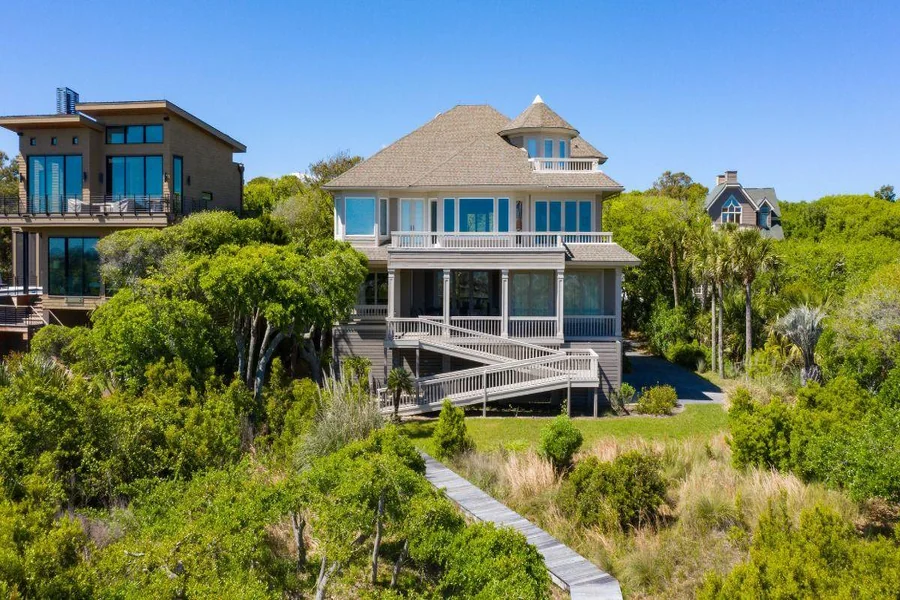

Choosing a coastal property may be a good option for someone who loves the views, being outdoors, and the calm atmosphere. Coastal living provides plenty of chances to walk on the beach, to do water activities, to fish, and to enjoy the outdoors more. However, buying a property in a coastal area does not only involve choosing one that has a great view. A number of factors, such as the surrounding area, local amenities, safety, home prices, and natural surroundings, can affect the quality of life in the future.
For those who plan to move to South Carolina, there is a need to research the best areas to live in Myrtle Beach in order to locate an ideal place to live. Each part of the city has its special vibe. Some neighborhoods are busy, close to entertainment venues and shopping centers while other ones are tranquil and located near the beach. Thus, it is important to know these things beforehand in order to choose the neighborhood that will suit your everyday life rather than only the vacation one.
1. Evaluate the Neighbourhood and Its Lifestyle
The emotion of a place you reside in has a significant impact on your daily life. Many people are attracted to coastal locations that provide a stable, secure environment. Others, however, prefer places that are more appropriate for older individuals or workers, or houses suitable only for vacation purposes.
Before deciding on where to live, it is important to understand the atmosphere of the location and who your possible neighbors might be. Be sure to check the level of traffic jams, noise pollution, how well cared for the area is, and whether or not there are enough public places in it. Visits should be organized on weekdays as well as weekends in order to understand how the place operates daily.
Another thing that should be done in order to guarantee that you will enjoy your stay near the sea all year round is to find out about parks, walking trails, and play centers in proximity to the planned residence.
2. Check Access to Essential Amenities
Being close to places like grocery stores, healthcare centers, pharmacies, schools, banks, and restaurants is very important when you buy a home. It can make your daily life much easier. You do not have to go far to get what you need or do your daily tasks.
Homebuyers need to look at how far things like schools and shops are from the home. The roads around the place should make it easy to get in and out. Families often care most about schools and places where kids can stay. Older buyers may want areas that are near doctors and shops needed every day.
Myrtle Beach has many places where you can live. It’s good to look at what is offered in each part of the area. That way, buyers can find a spot that fits the way they live. A home may seem nice on a website, but it may not work for you if you have to go a long way to get things you need.
3. Understand Coastal Weather and Flood Risks
Coastal properties need extra thought because they are open to different weather. There can be heavy rain, storms, hurricanes, salt in the air, and flooding. These things can harm homes by the coast.
Before you buy, check the flood zone for the place. You should look at local flood details too. It is good to ask if there was water damage before. Find out about the drainage systems in the house. Also, ask about the roof and any work done after storms.
Insurance costs need to be looked at, too. Homeowners insurance and flood insurance can change how much you pay for the house. It is good to get insurance prices before you make an offer. This helps you avoid any surprise costs.
Homes that are made with the right materials and built with features made for storms may give you more safety. Still, no home is fully safe from very bad weather.
4. Consider Property Prices and Long-Term Expenses
Buying a home by the coast is about much more than the price they list when you see it. You need to add up every cost that comes with owning. This includes property taxes, insurance, care for the home, utility bills, and fees for where you live, like homeowners association fees.
Homes that are near the ocean usually cost more than homes that are farther from the water. The price can change based on things like the view of the ocean, community features, the size of the house, and what people want in that area.
Salt can wear down outdoor lights, windows, and air-conditioning parts. It also wears out things like metal parts faster. You have to check and look after these things often to keep the place in good shape.
Looking at a few neighbourhoods and checking recent home sales can help you see how much houses cost in the area. This will give you a better idea of what people are paying right now.
5. Examine Transportation and Everyday Accessibility
Transport can determine how comfortable living in a coastal area is throughout the year. Future homeowners should consider the accessibility of the main highways, availability of public transport options, the proximity of jobs and the nearby cities when choosing a neighbourhood.
Some parts of the city are good for doing the shopping and having fun. Nevertheless, depending on the seasonal influx of tourists, there may be more cars on the roads. Other residential communities create a more relaxed atmosphere. However, life in such areas comes at a cost, as residents must travel longer distances just to carry out their daily errands.
It is also important to pay attention to parking issues, especially in the areas that receive many visitors during tourist season. Therefore, visit the selected area during busy hours to get an idea of how much traffic there is and the potential parking issues you might encounter.
Those who frequently commute to work will have to check how long it takes to get to the office at normal working hours.
Moving to the coast can give you a fun and relaxing way of life. But picking the best place to live takes some careful checking. Homebuyers need to look at what is around, such as what the area feels like, what things you need are close by, what dangers come from nature, how much you have to pay, how you can get around, and what changes might come in the future. Seeing the best areas to live in Myrtle Beach in person and checking local facts can help you find people and places that match what you need for a long time. When you know more, you can enjoy living near the water with comfort and ease and keep your budget steady.