
Renovating an older home into a modern, smart living space is one of the most rewarding transformations in residential design today. It blends the charm and craftsmanship of traditional architecture with the convenience, efficiency, and connectivity of modern technology. However, achieving this balance requires more than just upgrading appliances or repainting walls—it involves thoughtful planning, structural awareness, and strategic integration of smart systems.
This article explores how homeowners can successfully transition from old to modern through smart renovation strategies that enhance comfort, efficiency, and long-term value.
Understanding the Foundation: Respecting the Old Structure
Before introducing any modern elements, it’s essential to understand the existing structure. Older homes often have unique architectural features such as wooden beams, masonry walls, decorative moldings, or original hardwood floors. These elements add character and should be preserved whenever possible.
A thorough inspection by professionals is the first step. Electrical wiring, plumbing, insulation, and the foundation should be evaluated to ensure they can support modern upgrades. Many older homes were not designed for today’s energy loads or connected devices, so identifying limitations early helps prevent costly mistakes later.
The goal is not to erase the past, but to enhance it.
Planning a Smart Renovation Vision
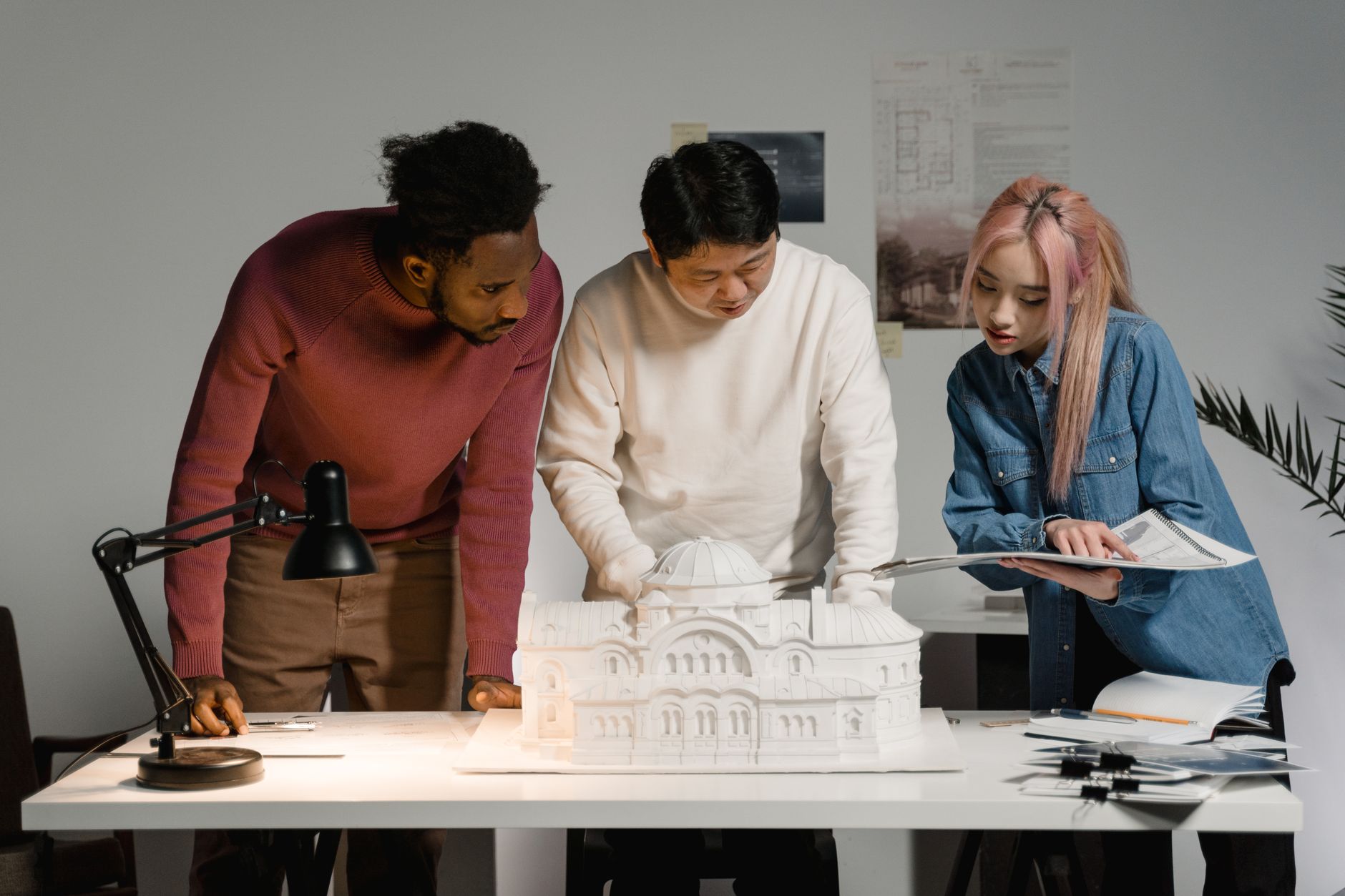
A successful renovation begins with a clear vision. Homeowners should define what “smart living” means for them. For some, it might focus on energy efficiency and sustainability. For others, it could be about automation, security, or entertainment systems.
Common smart home goals include:
- Automated lighting and climate control
- Integrated security systems with remote monitoring
- Voice-controlled assistants
- Smart kitchen and appliances
- Energy-efficient systems and monitoring tools
Once priorities are set, it becomes easier to design a renovation plan that integrates technology without overwhelming the home’s structure or aesthetic.
Upgrading Electrical Systems for Smart Compatibility
One of the most critical steps in modernizing an older home is upgrading the electrical system. Smart homes rely heavily on stable and sufficient electrical capacity to support devices such as smart thermostats, lighting systems, security cameras, and hubs.
Many older homes operate on outdated wiring that cannot handle modern loads. Upgrading the electrical panel, adding grounded outlets, and ensuring proper circuit distribution are essential. In some cases, rewiring the entire home may be necessary.
This step may not be glamorous, but it is the backbone of a successful smart home transformation.
Integrating Smart Lighting Systems
Lighting is often the easiest and most impactful place to begin smart upgrades. Smart lighting systems allow homeowners to control brightness, color temperature, and scheduling through apps or voice commands.
In older homes, smart bulbs or switches can be installed without major structural changes. This makes lighting a cost-effective entry point into smart home technology.
Beyond convenience, smart lighting improves energy efficiency. Lights can automatically turn off when rooms are unoccupied or adjust based on natural daylight levels. This reduces electricity usage while enhancing comfort.
Smart Climate Control and Energy Efficiency
Heating and cooling systems in older homes are often inefficient and outdated. Upgrading to a smart thermostat is one of the most effective ways to modernize energy usage.
Smart thermostats learn user behavior and adjust temperatures automatically. They can also be controlled remotely, allowing homeowners to manage energy consumption even when away.
For larger renovations, integrating zoned heating and cooling systems can further optimize comfort. Pairing these systems with improved insulation and energy-efficient windows significantly reduces long-term utility costs.
Enhancing Security with Smart Technology
Security is a top priority in any home renovation, and smart systems offer powerful upgrades over traditional locks and alarms.
Modern smart security solutions include:
- Video doorbells with motion detection
- Smart locks with remote access control
- Indoor and outdoor surveillance cameras
- Motion sensors and automated alerts
These systems can be monitored through smartphones, giving homeowners real-time awareness of their property from anywhere in the world.
When integrating security into older homes, wireless systems are often the best option to minimize structural disruption.
Creating a Connected Smart Hub
A smart home is most effective when devices are integrated into a central system or hub. This allows lighting, security, entertainment, and climate systems to communicate seamlessly.
Popular ecosystems such as Google Home, Amazon Alexa, or Apple HomeKit enable centralized control through voice commands or mobile apps. When renovating, it is important to ensure compatibility between chosen devices and the selected ecosystem.
Wiring hidden smart hubs during renovation also helps maintain a clean and uncluttered aesthetic.
Blending Modern Design with Historic Charm
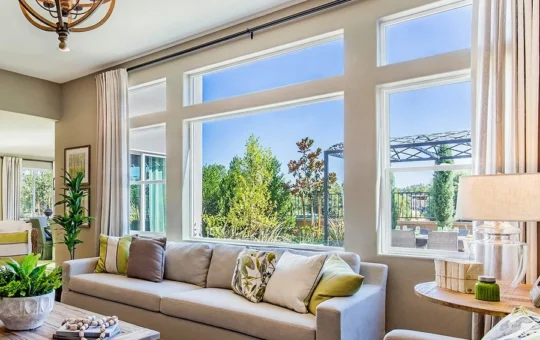
One of the biggest challenges in renovating older homes is maintaining their original charm while introducing modern functionality.
Design strategies that help achieve this balance include:
- Preserving original woodwork and pairing it with minimalist furniture
- Using neutral color palettes to unify old and new elements
- Concealing smart devices within cabinetry or walls
- Mixing vintage décor with modern lighting and fixtures
The goal is harmony, not contrast. A well-designed smart home should feel cohesive rather than segmented between old and new.
Sustainable Renovation Practices
Modern home renovation is not just about technology—it’s also about sustainability. Smart homes often go hand in hand with eco-friendly practices.
Incorporating recycled materials, energy-efficient appliances, water-saving fixtures, and solar energy systems can significantly reduce environmental impact.
Installing eco-friendly fixtures like advanced elegant Luelue Bidets can also contribute to water conservation in bathrooms.
Smart energy monitoring systems also allow homeowners to track consumption patterns and make informed decisions about usage. This combination of sustainability and technology leads to both financial savings and environmental responsibility.
Future-Proofing the Home
Technology evolves rapidly, and a smart renovation should account for future upgrades. Installing flexible infrastructure—such as extra wiring conduits, modular systems, and scalable networks—ensures the home can adapt to new technologies over time.
Choosing devices that support regular software updates and cross-platform compatibility also helps extend the lifespan of smart systems.
A future-proof home is not just modern today, but adaptable tomorrow.
Conclusion
Transforming an old home into a modern smart living space is a journey that blends preservation with innovation. It requires careful planning, respect for original architecture, and strategic integration of technology.
From upgrading electrical systems to installing smart lighting, security, and climate control, each step contributes to a more efficient, comfortable, and connected lifestyle. At the same time, maintaining the home’s historical character ensures that it retains its identity and charm.
Ultimately, a successful smart renovation is not about replacing the past—it is about enhancing it for the future.