In many homes, bathrooms are becoming smaller even as expectations for them grow. Families want space for storage, smooth movement, modern décor and comfort for everyday routines. Yet one feature often gets overlooked: the basin. The wrong basin can make a bathroom feel cramped, uncomfortable or inconvenient to use daily. The right one, however, improves space efficiency, enhances hygiene and contributes to the overall look and feel of the room.
This is where homeowners and designers often get stuck. Should they choose a corner basin to make the most of limited space or select a hand-wash basin that offers more style and comfort? What performs better in different types of bathrooms? Understanding the strengths of both helps you choose confidently and create a bathroom that effortlessly supports your lifestyle.
What is a Corner Basin?
A corner basin is designed to sit neatly at the intersection of two walls. It uses a spot that typically remains underutilised, freeing up the central area for better movement. This makes corner basins ideal for compact bathrooms, guest washrooms, small apartments and utility wash points.
Their simple geometry creates a clean, organised layout that feels open instead of crowded. They are especially useful in narrow bathrooms where placing a regular basin could block the pathway or reduce usable floor space.
What is a Hand Wash Basin?
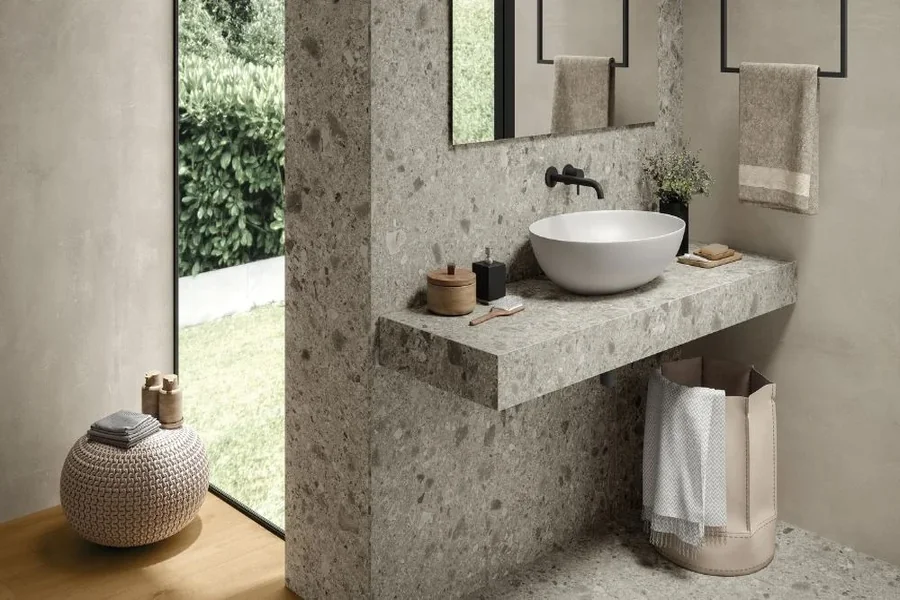
A hand-wash basin is typically installed on a straight wall or mounted on a countertop. Since it is designed for frequent use, it offers better comfort and comes in a wide variety of shapes and mounting styles. These basins are suitable for main bathrooms, dining, wash areas, family bathrooms and commercial spaces.
Because they integrate well with mirrors, vanities and storage units, hand wash basins contribute significantly to the daily convenience and visual appeal of the bathroom.
Corner Basin vs Hand Wash Basin: Quick Comparison
| Feature | Corner Basin | Hand Wash Basin |
| Space Efficiency | Excellent for compact areas | Best for medium to larger spaces |
| Placement | Limited to corner junctions | Flexible placement across the layout |
| Daily Comfort | Ideal for occasional use | More ergonomic for everyday routines |
| Style Role | Functional and subtle | Often acts as a design feature |
| Installation | Requires precise corner alignment | More adaptable to plumbing layout |
| Cleaning | Keeps floor area clear and tidy | Concealed plumbing is possible with vanities |
● Space and Movement
Space is often the most significant deciding factor. Corner basins improve movement by shifting the installation to the least disruptive location in the bathroom. They provide better access throughout the space, especially when multiple fixtures are installed.
Hand-wash basins are more comfortable when you have enough space to accommodate daily grooming tasks like brushing, face washing, or shaving. They prioritise movement around the basin rather than movement across the entire bathroom.
● Design and Styling Approach
Corner basins support simple, minimal layouts where functionality matters most. They quietly enhance the room without dominating the interiors.
Hand-wash basins come in more expressive shapes and finishes. From sleek round bowls to bold rectangular designs, they allow a statement-making approach. If your interiors have a strong styling direction, a hand-wash basin gives you more room to match finishes with tiles, mirrors and lighting.
● Daily Comfort and Ergonomics
Comfort becomes important when the basin is used frequently. Basin for hand wash are designed for proper elbow spacing, comfortable reach and splash control. They help keep daily routines smooth and frustration-free.
Corner basins are ergonomically simpler. They serve best in secondary or low-usage wash areas where space matters more than bowl capacity or height variations.
● Installation and Long-Term Maintenance
A corner basin installation requires accurate plumbing alignment so that pipes and supports sit neatly in the corner. Cleaning is easy afterwards because the floor stays unobstructed.
Hand-wash basins have more installation flexibility depending on the mount style: countertop, wall-hung or semi-recessed. Concealed plumbing gives a tidy finish and supports proper upkeep over time.
Premium brands like Simpolo Tiles & Bathware focus on creating basins that balance elegance with everyday efficiency. Their designs support easier cleaning, better accessibility and smooth surfaces that help maintain hygiene. Advanced glazing technologies also aid stain resistance, ensuring the basin retains its refined appearance even with regular use.
● Visual Impact in Bathroom Design
If your goal is to make a small bathroom feel more open, a corner basin lets the room breathe. It does not draw attention away from tiles, mirrors or other features.
If your goal is a stylish focal point, a hand-wash basin easily becomes that highlight. It can be paired with premium tiles, textured splashbacks or designer countertop materials to reinforce the bathroom’s character.
Which Basin Fits Your Bathroom Best?
Choose a corner basin when:
• Space is limited, and movement needs priority
• You want the room to feel airy and uncluttered
• The basin will be used occasionally
Choose a hand-wash basin when:
• Comfort and daily routine matter more
• You want the basin to complement or lead the design
• The bathroom has sufficient wall and floor space
Each option serves a different purpose, and the best choice depends on how you intend to use the bathroom and how you want it to feel.
Final Thought
The basin you select influences your bathroom experience every day. Corner basins help smaller spaces work smarter and feel more comfortable, while hand-wash basins elevate convenience and style in areas where hygiene is frequent. By choosing the design that supports both your routine and the room’s layout, you create a bathroom that is easy to use, effortless to maintain, and beautifully aligned with your personal style.