
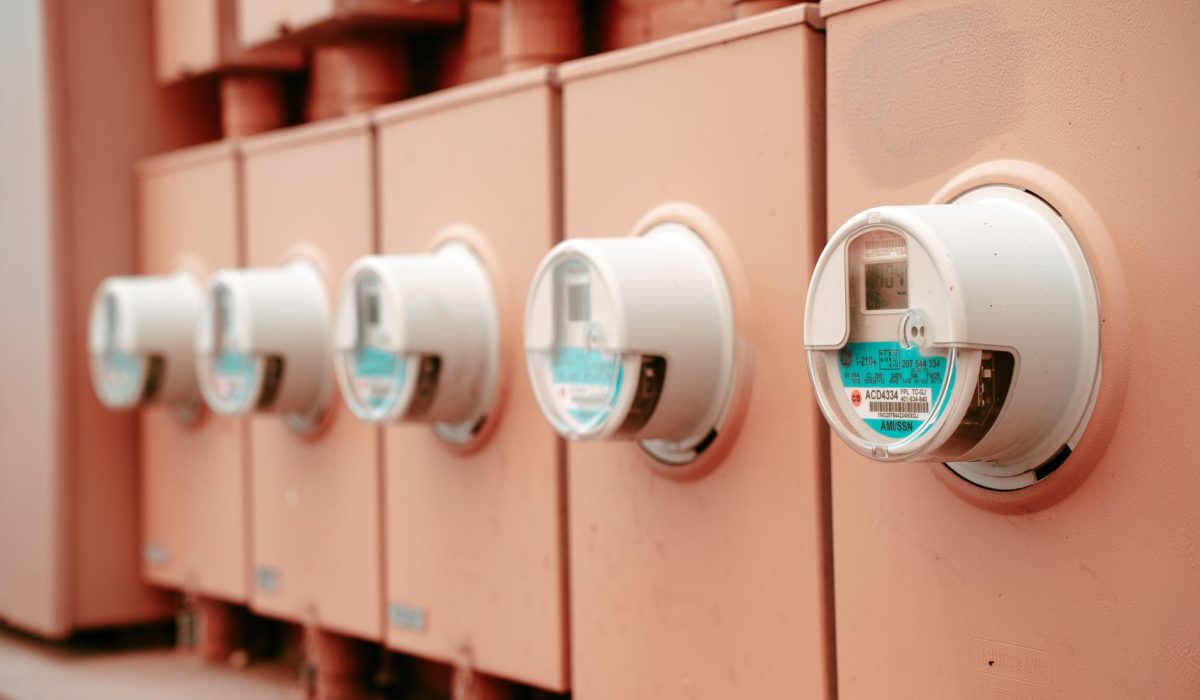
Running a business comes with a long list of responsibilities, and the electrical systems that keep the building operating often go unnoticed until something breaks down. Unlike residential wiring, commercial electrical setups tend to be more complex, carrying higher loads and supporting equipment that simply isn’t found in a typical home. Understanding what to look for helps business owners avoid costly downtime and keeps both employees and customers safe.
Load Capacity Matters More Than You Think
Commercial spaces often run more equipment simultaneously than residential properties — computers, HVAC systems, kitchen appliances, machinery, and lighting all draw from the same electrical infrastructure. If a building’s system wasn’t designed with enough capacity, or if it hasn’t been updated as the business has grown, it can lead to frequent breaker trips or, in worse cases, overheating.
This becomes especially relevant when a business expands its operations without reassessing its electrical infrastructure. Adding new equipment piece by piece, without ever stepping back to evaluate total load, is one of the more common ways commercial buildings end up with chronic electrical issues that seem to appear out of nowhere.
Compliance Isn’t Optional
Commercial properties are subject to stricter codes and inspections than residential ones, and for good reason — the risks scale with the size and use of the building. Staying compliant isn’t just about avoiding fines; it directly affects the safety of employees and customers. A qualified commercial electrician will be familiar with the specific regulations that apply to your type of business, whether that’s a restaurant kitchen, a retail space, or an office building.
Non-compliance can also create issues well beyond the immediate risk of an accident. Insurance claims can be denied, leases can be jeopardized, and in some cases, a business can be forced to close temporarily until violations are corrected. Staying ahead of these requirements is far less disruptive than dealing with them reactively.
Plan for Future Growth
It’s easy to design an electrical system around current needs and forget that businesses evolve. Adding new equipment, expanding floor space, or shifting to different operating hours can all put pressure on a system that wasn’t built with that flexibility in mind. Thinking ahead during any renovation or new installation saves a lot of hassle later, even if it means a slightly higher upfront cost.
Preventative Maintenance Pays Off
Reactive fixes tend to cost more than scheduled maintenance. Regular inspections can catch worn wiring, loose connections, or outdated components before they cause an outage that halts operations. For businesses where downtime directly affects revenue, this kind of foresight is worth the investment, and many find that the cost of a routine inspection is negligible compared to the cost of an unplanned closure.
Choose Someone Who Understands Commercial Work Specifically
Not every electrician who handles residential jobs is equipped for commercial-scale work. The stakes, equipment, and code requirements are different enough that experience matters. Ask potential contractors about their history working on buildings similar in size and use to yours, and don’t hesitate to ask for references from other local businesses they’ve worked with.
Keeping a commercial building’s electrical system in good shape isn’t glamorous work, but it’s foundational to everything else that happens within those walls. A bit of attention now, paired with the right expertise, keeps operations running smoothly and avoids the kind of surprises that no business owner wants to deal with, especially during peak hours when downtime is most costly.
Consider Backup Power Options
For businesses where even a brief outage can mean lost revenue or spoiled inventory, backup power is worth discussing during any electrical assessment. Generators and battery backup systems both require careful integration with the existing electrical setup, and getting this wrong can create as many problems as it solves. A qualified professional can help determine which option, if any, makes sense for your specific operation.
Document Your Electrical Infrastructure
Many commercial buildings, particularly older ones, have electrical systems that have been modified over the years without clear documentation of what was changed and why. This makes troubleshooting slower and more expensive than it needs to be. Having an up-to-date record of your building’s electrical layout, ideally created during a professional inspection, saves significant time whenever future work is needed.
Budget for the Long Term
Electrical upgrades are rarely cheap, which sometimes leads businesses to delay them until something fails outright. Building a modest ongoing budget for electrical maintenance and gradual upgrades tends to be far less disruptive than facing a large, unplanned expense when a system finally gives out under pressure.
Train Staff on Basic Awareness
While electrical work itself should always be left to qualified professionals, it helps to have staff who know the basics — where the main shutoff is, who to call in an emergency, and what warning signs to report immediately, like a persistent burning smell or a warm wall outlet. This kind of awareness doesn’t replace professional inspection, but it can help catch small issues before they become serious.