
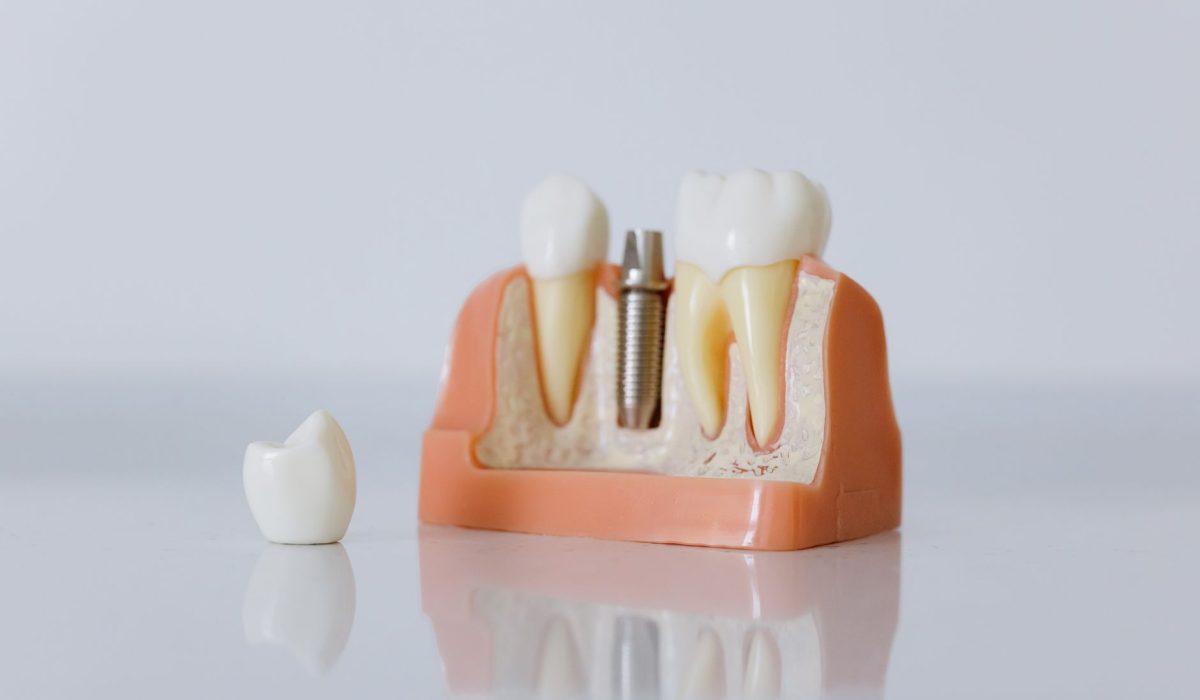
An empty space between teeth can change everyday eating habits and make certain bites less comfortable. An implant offers a fixed base for a replacement tooth that stays in place during normal activities. The right choice depends on the number of missing teeth and individual needs. Guidance from the best dentists in Blacktown Sydney can help you find a suitable option for comfortable everyday living.
Exploring Different Replacement Choices
Not every missing tooth requires the same solution. A person with one gap may need a single replacement, while someone missing an entire row could consider a complete set. The amount of space involved often determines which arrangements are worth exploring.
Removable dentures offer flexibility because they can be taken out for cleaning. Fixed bridges fill gaps by attaching to neighbouring teeth. An implant provides another approach by holding a replacement firmly in place. Each choice has different fitting requirements and upkeep routines. Understanding these differences makes it easier to compare options without feeling overwhelmed by unfamiliar terms.
Replacing One Missing Tooth
One empty space can change the way someone bites into a meal. A single replacement fills that opening without requiring several other teeth to be replaced. This approach may suit people whose neighbouring teeth remain in good condition.
An implant can hold a crown shaped to match the surrounding teeth. Its size and position need careful planning so the new tooth fits comfortably into the existing bite. The dentist also considers how much space is available before preparing the replacement.
Managing Several Missing Teeth
When multiple teeth are absent, the gaps may sit together or occur in separate areas. Their arrangement influences the type of replacement worth considering. Separate spaces may suit individual replacements, while a connected bridge could fill several neighbouring gaps.
An implant-supported bridge can replace multiple teeth without requiring a separate fixture for every missing tooth. However, the most appropriate arrangement depends on the available support and the condition of the remaining teeth. Cleaning access deserves attention too because connected replacements may require a different daily routine.
Before making a decision, consider these practical details:
· Separate gaps may need individual replacements for better spacing.
· Connected spaces can sometimes suit one joined replacement.
· Nearby teeth can influence the final design.
· Cleaning access matters when several replacements sit together.
· Bite alignment should feel natural after the fitting.
Rebuilding A Complete Row
Losing an entire row creates different challenges from losing a single tooth. Everyday eating may become less convenient because fewer stable surfaces remain for biting. A full row replacement restores a complete set rather than filling separate gaps.
Some designs stay fixed in place while others can be removed for cleaning. Several implants may hold a complete set securely during everyday activities. The final arrangement depends on the available support and the person's preferences.
Returning To Everyday Eating
Eating comfortably depends partly on how replacement teeth meet their opposing teeth. If one area takes too much pressure, biting may feel awkward. Careful fitting helps the new teeth work with the existing bite instead of creating an uneven contact point.
The adjustment period differs from person to person. Some people become accustomed to their replacements quickly, while others need longer to settle into familiar routines. Following the dentist's individual advice can make this transition easier.
Useful habits during adjustment include:
· Follow the recommended schedule for returning to regular meals.
· Take time to become familiar with the changed bite.
· Choose suitable cleaning tools for the replacement design.
· Contact the dentist if the fitting feels uncomfortable.
· Keep planned appointments for necessary adjustments.
Keeping Replacements Clean
Daily cleaning helps preserve the appearance and function of replacement teeth. Food residue can collect around fixed designs, particularly where spaces are difficult to reach. A suitable routine keeps these areas cleaner without making everyday care unnecessarily complicated.
Removable dentures can be cleaned outside the mouth. Fixed replacements need attention around their edges and between nearby teeth. Patients consulting the best dentists in Blacktown Sydney can receive personalised advice on suitable cleaning methods.
Planning The Right Treatment
The number of missing teeth is only one factor when comparing replacement methods. Available space and the condition of existing teeth also influence the decision. During an appointment, the dentist examines the mouth and explains which choices may be appropriate.
Cost deserves attention before treatment begins. Different arrangements involve different fitting stages and ongoing care requirements. Asking about these details helps patients understand the commitment involved instead of focusing entirely on the initial price.
A suitable plan should reflect individual priorities rather than follow one standard approach. Discuss the expected timeline and maintenance needs before making a decision. With clear guidance and consistent care, a well-selected replacement can help restore everyday eating and make routine activities more convenient.
FAQ
Which replacement suits someone missing only one tooth?
A single crown supported by an implant may fill that space.
Can replacement teeth make everyday eating more comfortable?
A well-fitted replacement can improve biting and chewing ability.
What helps replacement teeth remain in good condition?
Suitable daily cleaning and planned dental reviews help maintain their condition.