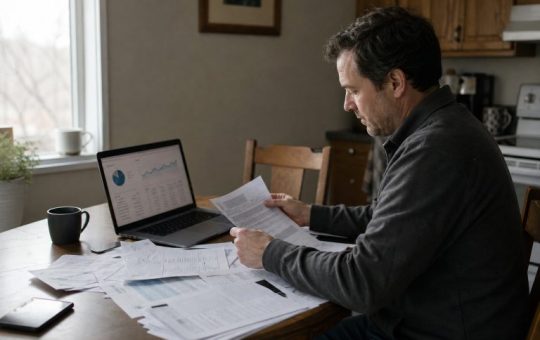

More business than ever happens between people who have never met in person. Freelancers work with clients across the country or the world, small businesses hire remote contractors, people buy services from providers they found online, and countless deals are struck between parties who know each other only through a screen. This is one of the great advantages of the modern economy, opening opportunities that geography once made impossible. But it also introduces a real challenge: how do you protect yourself when doing business with someone you cannot meet, whose identity and reliability you cannot easily confirm?
The risks of doing business with strangers online are genuine. There are people who misrepresent who they are, who fail to deliver what they promised, who do not pay for work performed, or who use false identities as part of an outright scam. At the same time, the vast majority of online business relationships are legitimate and valuable, so the goal is not to avoid them but to approach them wisely. With sensible caution and a few good practices, you can pursue the opportunities of online business while protecting yourself from the risks. This article looks at the challenges of doing business with people you have never met, the warning signs of trouble, and the steps that keep you safe, including how to verify who you are really dealing with.
The challenge of trust in online business
To protect yourself, it helps to understand the fundamental challenge at the heart of online business: establishing trust with someone you cannot meet or easily verify. In traditional business, you might meet a person, visit their premises, or rely on established local reputation to gauge whether they are trustworthy. Online, much of that disappears. You have a name, perhaps a website or profile, and the claims the person makes about themselves, but little of it is independently verified, and a professional appearance is no guarantee of a reliable or honest party.
This challenge cuts both ways. If you are hiring or buying, you face the risk that the person will not deliver what they promised, will do poor work, will disappear after taking payment, or is not who they claim to be. If you are providing a service or selling, you face the risk that the client will not pay, will dispute the work dishonestly, or will use a false identity as part of a scheme to get something for nothing. In both directions, the core vulnerability is the same: you are extending trust, often involving money and commitments, to someone whose identity and reliability you cannot easily confirm.
The stakes can be significant. Online business dealings often involve real money, important work, and meaningful commitments, so being wrong about the person you are dealing with can cost you financially and professionally. This is why protecting yourself in online business is so important, and why a sensible approach involves verifying who you are dealing with, watching for warning signs, and using practices that reduce your exposure. The openness that makes online business possible is valuable, but it requires you to be thoughtful about trust in a way that in-person business often did not.
Warning signs in online business dealings
Trouble in online business dealings often announces itself through warning signs, and learning to recognize them protects you from many problems. While no single sign is conclusive, a pattern of them is a strong reason for caution.
One common warning sign is vagueness or evasiveness about identity and details. A legitimate business party is usually willing to share reasonable information about who they are and to answer straightforward questions clearly. Someone who is evasive about their identity, who provides inconsistent information, or who is reluctant to give the normal details of a professional relationship may have something to hide. When basic information about who you are dealing with is hard to pin down, that is worth treating as a warning.
Another warning sign is pressure and urgency, particularly around money. Scammers and unreliable parties often try to rush arrangements, pushing for quick payment, urgent commitments, or fast decisions before you have had time to verify anything. Genuine business parties generally understand the need for reasonable due diligence and are willing to proceed at a sensible pace, so pressure to hurry, especially where money is involved, is a signal to slow down and be careful.
Unusual payment requests or arrangements are another red flag. Requests to pay in unusual ways, complicated payment schemes, demands for large upfront payments without any protection, or proposals that seem designed to leave you exposed all warrant caution. Similarly, an offer or arrangement that seems too good to be true, terms far more favorable than normal, or promises that seem unrealistic, often signals a scam. And as always, a sense that something is off, even when you cannot pinpoint why, is worth respecting. Trusting your instincts and investigating further when something feels wrong is an important protection.
Verifying who you are dealing with
When an online business relationship is significant, or when something makes you want to be sure about the other party, verifying who you are dealing with adds real protection. Rather than relying only on the claims and appearances a person presents, you can check whether the identity they have given actually holds together.
In the course of a business dealing, you typically learn the name of the person or party you are working with. A reverse name search lets you take that name and find information associated with it, helping you confirm whether the person is who they claim to be before you commit to a significant business arrangement. If the name connects to information consistent with what they have presented, that supports their legitimacy. If it connects to something that contradicts their claims, or raises concerns, that is a strong reason to be cautious before proceeding. This kind of check adds an independent piece of information to your judgment, turning reliance on appearances into a more informed assessment.
Verification like this is especially valuable when the stakes are high, such as a significant financial commitment, an important project, an arrangement requiring upfront payment, or any dealing where being wrong about the other party would cause real harm. In these situations, taking the time to confirm who you are dealing with is simply prudent business practice. It is not about distrusting everyone, since most online business parties are legitimate, but about grounding your trust in something solid when the stakes justify it. Used this way, verification lets you pursue genuine opportunities confidently while protecting yourself from those built on misrepresentation.
The most effective approach uses verification as one part of sensible due diligence, alongside watching for warning signs and using protective practices. The information it provides helps you decide whether to proceed, seek more assurance, or step away, giving you a clearer picture of who you are dealing with before you make commitments that matter. In online business, where you cannot rely on in-person impressions, this ability to verify is a genuinely valuable tool.
Balancing caution with opportunity
One concern people have about being careful in online business is that too much caution might cost them good opportunities or make them seem distrustful to legitimate partners. This is a fair worry, and striking the right balance between protecting yourself and remaining open to opportunity is part of doing online business well.
The key insight is that sensible caution and openness to opportunity are not in conflict; done well, caution actually enables you to pursue more opportunities confidently. When you have good practices for protecting yourself, verifying who you are dealing with, using clear agreements and protected payments, and watching for warning signs, you can engage with new partners and opportunities more freely, because you are not relying on blind trust. The protection lets you say yes to more, not less, because you have ways to manage the risk.
It also helps to recognize that legitimate business partners generally respect reasonable due diligence rather than being offended by it. Professionals understand that verifying whom you are working with and using clear terms are normal parts of doing business, especially online, and a genuine partner will accommodate these sensibly. In fact, someone who reacts badly to reasonable, professional caution may be revealing a warning sign in itself. So you can protect yourself without damaging good relationships, since the parties worth working with will understand your care. The goal is not to be suspicious or difficult, but to be sensibly professional, which serves both your protection and your reputation. Approached this way, caution becomes not a barrier to opportunity but a foundation that lets you pursue opportunity with confidence.
Practices that protect you in online business
Beyond verification and watching for warning signs, several practices reduce your risk in online business dealings. The first is to do reasonable due diligence before committing. Take the time to learn about who you are dealing with, look for information that confirms their legitimacy, and, where relevant, seek reviews, references, or evidence of a track record. Reasonable investigation before entering a significant arrangement helps you avoid many problems, and legitimate parties will understand and accommodate sensible due diligence.
The second practice is to use clear agreements and protect payments. Putting the terms of a business arrangement in writing, so that expectations are clear on both sides, protects you if disagreements arise. And structuring payments sensibly, such as using protected payment methods, avoiding large upfront payments without safeguards, and tying payment to delivery or milestones where appropriate, reduces your exposure. Clear agreements and careful payment practices are among the most effective protections in online business.
The third practice is to proceed carefully and build trust gradually where possible. Rather than making a large commitment immediately, starting with a smaller arrangement, where feasible, lets you assess whether the other party is reliable before increasing your exposure. Building a relationship gradually, and increasing your commitment as trust is established through actual experience, is a sensible way to reduce risk in dealings with someone you have never met.
Finally, trust your judgment and be willing to walk away from a deal that raises concerns. No opportunity is worth ignoring clear warning signs or proceeding against your better judgment. If a business dealing feels wrong, if the other party seems evasive or suspicious, or if something does not add up, you are always free to step back. This willingness to decline a questionable arrangement is one of your strongest protections, ensuring that you never let pressure or the appeal of an opportunity override sensible caution.
The bottom line
Doing business with people you have never met is a valuable part of the modern economy, opening opportunities that geography once made impossible, but it carries real risks rooted in the challenge of trusting parties whose identity and reliability you cannot easily confirm. Whether you are hiring, buying, selling, or providing services, the core vulnerability is extending trust, often involving money and commitments, to someone you know mainly through a screen. Most online business relationships are legitimate, so the goal is to approach them wisely rather than avoid them, watching for warning signs like evasiveness about identity, pressure around money, and unusual payment requests. When a dealing is significant, verifying who you are dealing with, by checking whether the identity someone has presented holds together, adds valuable protection, turning reliance on appearances into an informed judgment. Combined with sensible practices, doing reasonable due diligence, using clear agreements and protected payments, building trust gradually, and being willing to walk away, this lets you pursue the opportunities of online business while protecting yourself from its risks. In a world where so much business happens between strangers, knowing how to verify who you are dealing with and protect yourself is an essential part of doing business safely.