Have you ever noticed that online gaming now feels less like a hobby and more like a place where people actually build parts of their social life? That shift matters because games are no longer just activities people play for a few hours. They have become meeting spots, creative spaces, and shared routines that shape how people talk, cooperate, and spend time together.
The culture forming through online gaming is not accidental. It comes from millions of players learning how to communicate across distance, solve problems with strangers, and create group identity inside digital spaces. What makes this culture interesting is that it keeps producing its own habits, values, language, and social rules without needing a physical location.
That culture is now visible far beyond the screen. It affects humor, friendships, teamwork, competition, and even how people understand community itself. Online gaming has become a living social environment where people practice belonging in real time.
How Shared Spaces Turn Play Into Community
Online games create community by giving people a place to return to together.
Repeated Interaction Builds Familiarity
Culture starts forming when the same people keep meeting in the same digital space. A player logs in, sees familiar names, remembers past matches, and picks up a conversation that started the day before. That repetition creates trust much faster than one-time contact because people begin to recognize patterns in each other’s behavior, humor, and style.
These repeated encounters also create expectations. Players learn who stays calm under pressure, who explains strategy clearly, and who keeps the mood light after a loss. Those small social details turn random lobbies into communities with memory, and memory is one of the main ingredients of culture.
Shared Goals Give People A Reason To Connect
Many online games ask people to complete tasks together, which gives social interaction a clear purpose. Working toward a win, a mission, or a difficult objective pushes people to communicate efficiently and listen to each other. Cooperation stops being abstract and becomes something practiced over and over.
That shared effort often outlasts the match itself. Players talk after sessions, review what happened, and make plans for the next time. The result is a culture built not just on play, but on commitment to a group experience.
Language, Humor, And Identity Inside Gaming Culture
Online gaming develops its own language because people need fast ways to express complex social meaning.
Slang Creates Group Recognition
Every active gaming community builds slang, shortcuts, and references that make sense to insiders. These terms help players communicate quickly, but they also do something deeper. They signal membership. Knowing the language shows that a person understands the norms of the group and has spent enough time there to follow the flow.
This is one reason online gaming culture feels so distinct. It generates a vocabulary tied to shared moments, repeated mechanics, and common frustrations. Even outside a match, that language carries social weight because it reminds people of the experiences they had together.
Humor Becomes A Social Glue
Humor in gaming communities often comes from mistakes, unexpected outcomes, and collective memories. A failed strategy can become a running joke for months. A strange in-game moment can turn into a phrase that instantly reconnects a whole group. That kind of humor does more than entertain. It marks a social bond built through participation.
Some communities even collect these references across forums, chat spaces, and fan hubs connected through names such as SEMPROT99, where people trade jokes, stories, and observations tied to gaming life. The point is not the label itself, but the way shared language keeps a community feeling alive between play sessions.
Teamwork Is Teaching A New Social Skill Set
Online gaming rewards people who can coordinate clearly with others.
Communication Has To Be Fast And Precise
Many online matches move quickly, so players learn to give useful information without wasting words. They call out positions, timing, risk, and intent in a way that other people can act on immediately. This teaches a style of communication that is direct, situational, and focused on results.
That habit can shape how people interact beyond the game. Players often become better at reading group dynamics, adjusting tone, and responding under pressure because the game constantly asks them to process information with others in real time.
Roles Teach Dependence And Responsibility
Team-based games usually assign or encourage different roles, and each role affects the whole group. That setup teaches players that personal skill is only one part of success. Reliability, timing, and awareness of other people matter just as much.
This creates a culture where mutual dependence is normal. Players learn that helping a teammate, covering a weakness, or sacrificing individual credit for the group can be the smartest move. Those repeated choices shape a shared value system built around coordination rather than solo performance.
Competition Is Creating New Rules Of Respect
Online gaming culture is also being shaped by how people handle competition in public spaces.
Winning Matters, But Conduct Matters Too
Competition in online gaming is intense because results are visible and often immediate. Yet over time, many communities develop strong opinions about what counts as fair, respectful, or dishonest behavior. Players may argue over strategy, but they still build clear expectations around sportsmanship, teamwork, and accountability.
That matters because culture grows from shared rules, not just shared activities. A community becomes stable when people know how to compete hard without losing the basic standards that keep the space functional.
Public Performance Shapes Behavior
In online matches, people often perform in front of teammates, opponents, spectators, or friends in voice chat. That social visibility changes behavior. Players are not just making moves inside a game. They are also managing reputation, tone, and credibility within a group.
This public layer encourages self-awareness. People learn quickly that skill earns attention, but consistency, respect, and good communication often earn lasting trust. That balance is helping define a newer form of digital etiquette built directly through play.
Gaming Spaces Are Becoming Third Places
For many people, online gaming now fills a social role once tied to physical gathering spots.
Regular Sessions Create Routine And Belonging
People often meet online at the same time each day or week, not unlike meeting at a local hangout. These repeated sessions create rhythm, and rhythm gives social life structure. A group that plays every evening is doing more than scheduling entertainment. It is maintaining a shared routine that supports connection.
That routine can be especially meaningful for people whose friends live far away or whose schedules make in-person time harder to arrange. Online gaming gives them a dependable way to stay socially active and emotionally connected through a common activity.
Digital Places Still Feel Socially Real
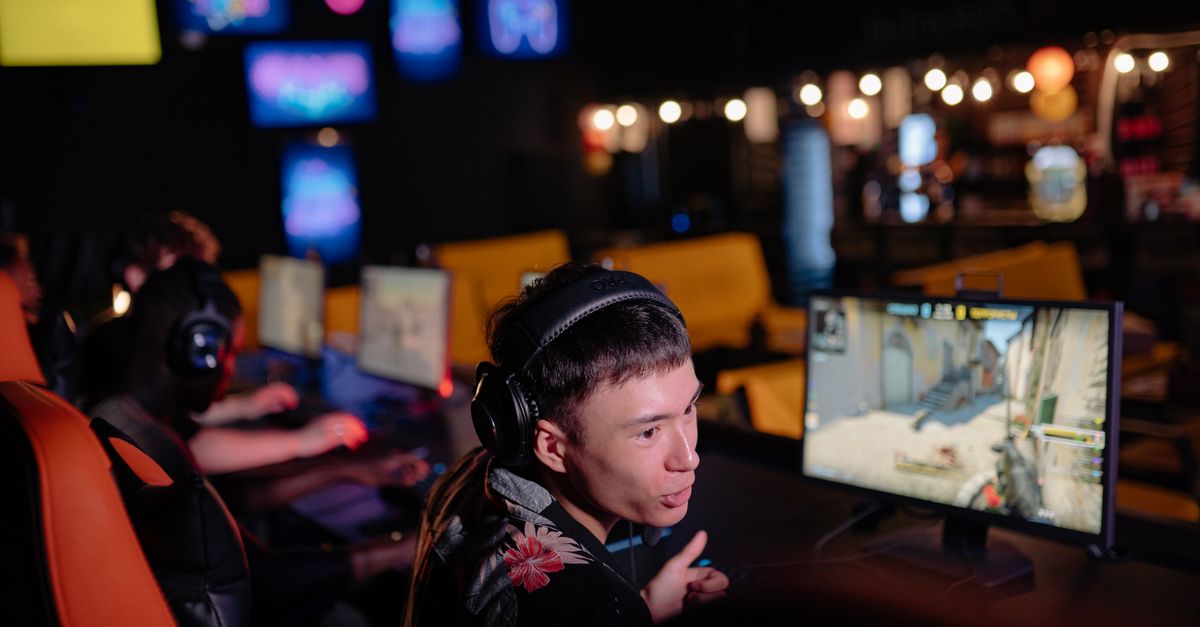
Even though these spaces are virtual, the relationships formed there often feel immediate and genuine. Players celebrate wins, talk through bad days, and support each other during long sessions. Those interactions are real social experiences, even if they happen through headsets and text chat.
Communities connected through labels like SEMPROT99 GACOR show how people now gather around shared gaming identity as naturally as earlier generations gathered around neighborhood spots. The culture being built is digital in form, but social in the most familiar human sense.
Creativity And Participation Keep The Culture Growing
Online gaming culture keeps expanding because players do more than consume a finished product.
Players Constantly Add Meaning
Every active gaming community creates stories, traditions, and interpretations that were not programmed into the game itself. Players invent nicknames, make up challenges, remember legendary matches, and attach meaning to moments that outsiders would miss. This turns gaming culture into something shaped from the bottom up.
That participatory quality makes the culture feel alive. It is not fixed by developers or rules alone. It evolves through the choices, memories, and creativity of the people who show up and contribute.
Culture Spreads Through Shared Expression
Players also keep culture moving by retelling moments in chat, clips, art, and conversation. A single match can lead to a joke, a phrase, or a tradition that survives long after the score is forgotten. Shared expression helps communities keep their identity even as games change and new players join.
The new culture being built through online gaming is strong because it grows through participation, not passive viewing. People are learning how to belong, collaborate, compete, and create meaning together inside digital spaces that now feel like real social homes. That is why online gaming matters as a cultural force, not just a form of play.