
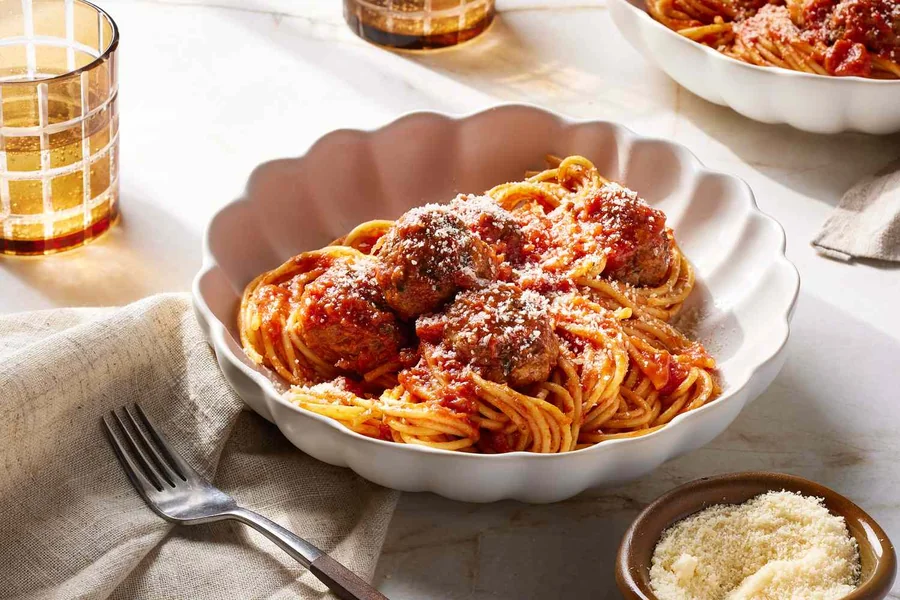
Italian Pasta: A Timeless Culinary Tradition
Italian pasta is far more than a simple mixture of flour and water. It is a symbol of heritage, family, and regional pride that has shaped Italy’s culinary identity for centuries. From rustic kitchens in the countryside to elegant restaurants in historic cities, pasta remains the heart of Italian cuisine and one of the most beloved foods worldwide.
The Origins of Italian Pasta
The history of pasta stretches back thousands of years. Ancient civilizations around the Mediterranean prepared early forms of dough that were rolled and cut into strips. However, pasta as we recognize it today developed and flourished in Italy. By the Middle Ages, dried pasta production had become especially prominent in Sicily, where the warm climate allowed pasta to be dried efficiently for storage and trade.
As trade routes expanded, pasta spread throughout the Italian peninsula. By the 18th and 19th centuries, cities such as Naples had become famous for large-scale pasta production. Advances in milling technology improved the quality of semolina flour, making pasta more consistent and accessible to people from all social classes.
Durum Wheat and the Art of “Al Dente”
Traditional Italian pasta is made primarily from durum wheat semolina and water. Durum wheat is prized for its high protein content and strong gluten structure, which gives pasta its firm texture. This allows it to be cooked “al dente,” meaning “to the tooth.” Properly cooked pasta should offer slight resistance when bitten, rather than being soft or mushy.
In northern regions such as Bologna, fresh egg pasta is more common. The addition of eggs produces a softer, richer dough that pairs well with hearty sauces like ragù. In contrast, southern Italy typically favors dried pasta without eggs, often served with olive oil, garlic, seafood, or tomato-based sauces.
Regional Specialties
One of the defining features of Italian pasta is its regional diversity. Each region has developed its own shapes, sauces, and traditions based on local ingredients and history.
In Rome, pasta dishes are famously simple yet bold in flavor. Classic Roman specialties include Cacio e Pepe, made with pecorino cheese and black pepper, and Carbonara, prepared with eggs, pecorino, guanciale, and pepper. These dishes demonstrate how a few high-quality ingredients can create extraordinary flavor when combined with proper technique.
Emilia-Romagna, home to Bologna, is renowned for tagliatelle al ragù. Outside Italy, this dish is often incorrectly called “spaghetti Bolognese,” but authentic versions use wide ribbons of tagliatelle that better hold the rich meat sauce. This region is also known for filled pastas such as tortellini and ravioli, often served in broth or dressed simply with butter and sage.
Further south, Naples is closely associated with spaghetti. The introduction of tomatoes from the Americas in the 16th century transformed southern Italian cuisine. Tomato-based sauces became central to dishes like spaghetti al pomodoro, combining pasta with fresh tomatoes, basil, olive oil, and cheese.
The Diversity of Pasta Shapes
Italy boasts hundreds of pasta shapes, each designed for a specific purpose. Long strands like spaghetti and linguine pair well with smooth or light sauces. Flat ribbons such as fettuccine and tagliatelle are ideal for thick, creamy sauces. Short shapes like penne and rigatoni feature ridges or hollow centers that trap sauce inside.
Stuffed pastas, including ravioli and tortellini, enclose fillings such as ricotta, spinach, meat, or pumpkin. These shapes are often served with delicate sauces to highlight the filling rather than overpower it. The thoughtful pairing of shape and sauce is considered an essential principle of Italian cooking.
Pasta as a Cultural Ritual
In Italy, pasta is traditionally served as the “primo,” or first course, following appetizers and preceding the main dish. Sunday lunches, holiday gatherings, and family celebrations frequently revolve around large servings of homemade pasta.
The act of making pasta by hand remains an important tradition. Rolling out sheets of dough, cutting strands, and shaping filled pasta require patience and skill. These techniques are often passed down through generations, reinforcing family bonds and preserving culinary heritage.
In many Italian households, recipes are treasured heirlooms. Grandparents teach children not only how to prepare pasta but also how to appreciate the quality of ingredients and the rhythm of cooking together.
Pasta’s Global Journey
During the 19th and early 20th centuries, waves of Italian immigrants carried their culinary traditions abroad. In countries like the United States and Argentina, pasta adapted to new ingredients and local tastes. Dishes such as spaghetti with meatballs became popular internationally, even though they differ from traditional Italian recipes.
Despite global adaptations, Italy remains protective of its culinary standards. Many chefs and organizations promote authentic preparation methods to ensure that traditional pasta-making techniques continue to thrive.
Today, pasta is enjoyed on every continent. From quick weekday dinners to elaborate gourmet creations, it remains one of the most versatile and accessible foods in the world.
Modern Interpretations
Contemporary chefs continue to innovate while respecting tradition. Whole-grain, gluten-free, and legume-based pastas have become more common in response to dietary needs. Creative combinations of flavors and ingredients reflect both regional pride and global influence.
High-end restaurants may incorporate seasonal produce, truffles, or seafood into refined pasta dishes. Yet even in these modern interpretations, the core values of balance, texture, and simplicity endure.
Conclusion
Italian pasta represents more than nourishment; it embodies history, craftsmanship, and community. From its early development in Sicily to its industrial growth in Naples and its refinement in Bologna and Rome, pasta tells the story of Italy’s regions and people.
Its enduring appeal lies in its simplicity and adaptability. With just flour, water, and sometimes eggs, pasta becomes a canvas for creativity and tradition alike. Whether enjoyed in a humble family kitchen or an elegant dining room, Italian pasta continues to connect people across cultures and generations, proving that the simplest foods often carry the richest stories.