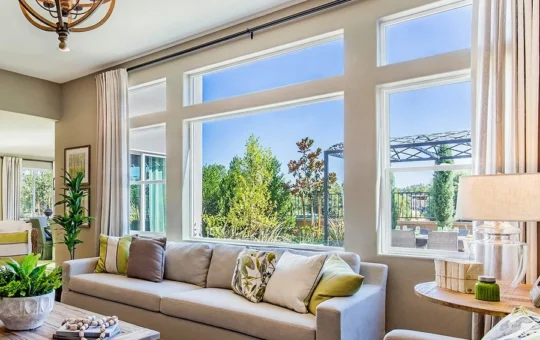
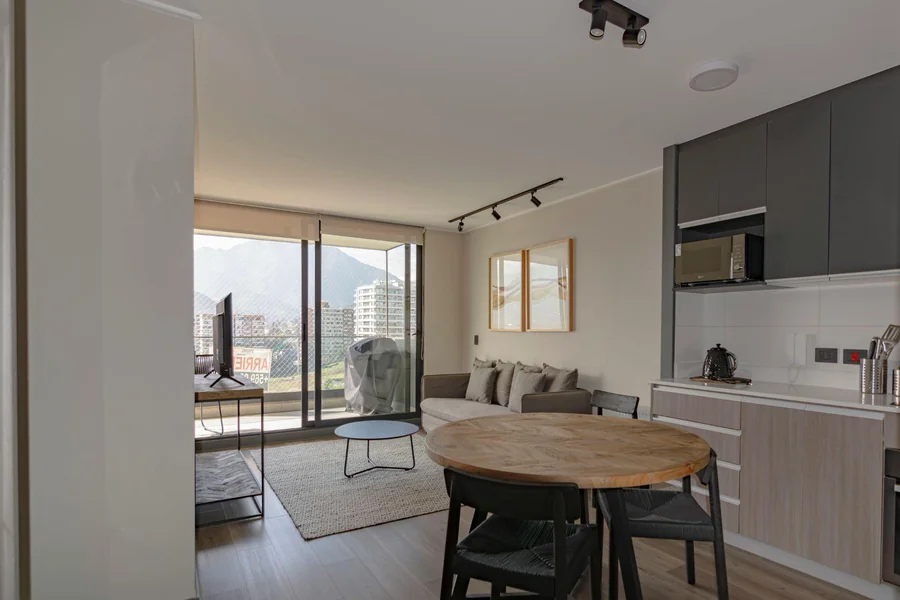
Here’s what drives most homeowners crazy: their living room feels off. The sofa blocks traffic flow. Your TV and fireplace fight for attention. Or that open floor plan you loved at first? Now it just looks scattered and confusing. You don’t have bad design instincts, you just skipped the planning phase. Here’s the relief: smart living room layout ideas can solve these headaches surprisingly fast. This guide walks you through templates tailored to your exact room size, real-world spacing requirements, and quick ways to make better decisions.
You’ll discover practical fixes for every situation: small living room layout tricks that pack in seating without feeling cramped, open concept living room layout methods that create distinct zones minus the walls, and living room layout for large spaces techniques that dodge that awkward, empty-lobby vibe most design blogs conveniently ignore.Before you drag a single chair across the floor, lock down these four planning fundamentals. They’ll save you from expensive mistakes and each one takes less than 15 minutes.
Small Living Room Layout Ideas That Feel Bigger (Without Sacrificing Seating)
Limited square footage calls for clever moves, not compromises on comfort.
Micro-scale table strategy
Cramped corners get easier when you work in round end tables for living room setups. Curved edges soften your layout and give you better clearance in tight spots. Best spots: nestled between a chair and sofa, beside a sectional corner, or as matching pieces flanking a loveseat.Small spaces force smart constraints, but open concept rooms flip the script suddenly you have too much undefined space. Here’s how to carve out functional zones without adding walls or cluttering your sightlines.
Wall-hugging layout that still looks intentional
Push your sofa against the longest wall, then position two compact chairs across from it or at an angle. Ditch chunky console tables and swap in wall-mounted shelves or skinny behind-sofa tables you keep surface space but give back precious floor area.
Corner sectional layout for tight footprints
An L-shaped sectional can maximize seats in cramped quarters, but balance matters. Pair it with one lightweight armchair, nesting tables, and a standout lamp so the sectional doesn’t swallow the room whole. Skip this setup if it makes the space feel boxed in individual chairs and give you more wiggle room when the floor plan gets weird.
Float-lite layout for narrow or window-heavy rooms
Smart placement opens up snug spaces, but furniture that multitasks? That amplifies your usable square footage even more. Pull your loveseat or sofa 6–12 inches away from the wall to improve flow and eliminate that bowling alley tunnel effect. Low-slung seating and furniture with visible legs preserve sightlines, which makes everything feel more open.
Multifunction seating + storage upgrades (trend-forward)
Storage ottomans transform into coffee tables when you drop a tray on top. Modular seating reshuffles for guests. Swivel chairs pivot between TV time and face-to-face chats without anyone moving their seat.
Layout Planning Essentials That Make Any Living Room Work
Nailing your measurements up front keeps you from buying a couch that won’t fit or accidentally blocking the path you walk ten times a day.
Measurement + mapping method (fast, foolproof)
Pull out your tape measure and write down everything: wall dimensions, how doors swing open, window heights, where cable outlets live. Mark radiators and electrical outlets you’ll rely on for lighting or devices. Recent projections show that homes built during the 1980–2000 era now total nearly 24.2 million units expected to hit remodeling age by 2027 so if you’re reading this, you might be dealing with older layouts designed before today’s furniture proportions existed. Here’s a pro trick: use painter’s tape directly on your floor to outline where the sofa, rug, and primary walkways will land. This tape-before-you-move approach catches clearance disasters before you break a sweat.
Spacing rules designers use (for comfort + flow)
Your main traffic lanes need 30–36 inches of breathing room; less-used paths should still get 24–30 inches minimum. Industry guidelines recommend a coffee table for seating: 14–18 inches near enough to grab your coffee without stretching, far enough that you don’t bash your shins every time you sit down.
For television viewing, take your screen’s diagonal measurement in inches and multiply by 1.5 to 2.5. That’s your ideal viewing range. Rugs work two ways: either tuck all furniture legs on top (makes the space feel unified) or place just the front legs on the rug (better for compact rooms).
Focal-point hierarchy (prevents competing zones)
Perfect spacing won’t rescue you if two features are dueling for dominance. Pick your winner’s fireplace, TV, view, or accent wall then let the runner-up play a supporting role. When both the fireplace and TV demand attention, try one of three moves: split into separate zones (media area plus reading corner), position seating at an angle to serve both, or design an integrated media wall that respects each element.
Conversation-first seating strategy (even in TV rooms)
Position seating so people sit roughly 8–10 feet apart that’s the sweet spot for comfortable conversation. Swivel chairs, armless seats, and lightweight side pieces add flexibility to cramped corners without making them feel stuffed. This approach works even when you’re binge-watching shows; you can still chat during the boring parts.Now that spacing rules and focal-point logic are clear, let’s tackle the hardest puzzle: squeezing everything you need into a small living room without making it feel like a storage unit.
Open Concept Living Room Layout Ideas for Clear Zones (No Floating Furniture Confusion)
Open layouts demand deliberate zoning, not random furniture scattered across a giant floor.
Zone definition using rugs + lighting layers
Drop one anchor rug in each zone size it to match your sofa width in the living section and your table dimensions in dining. Stack three types of lighting (ambient, task, accent) in every zone to visually separate areas without physical barriers.
Sofa-as-divider layout (the cleanest open plan fix)
Float your sofa away from the wall with a console table behind it that creates a natural entry path and landing spot. Tuck stools or ottomans underneath for bonus seating that stays out of the way when you don’t need it.
Traffic-first layout (prevents bottlenecks)
Sketch your high-traffic routes first front door to kitchen, kitchen to back patio, hallway to living zone before you place anything. Keep your busiest pathway completely clear and cluster seating into a defined island anchored by a generous rug.
Open concept spaces need intentional boundaries, but genuinely large living rooms face the opposite headache: preventing that cold, corporate-lobby emptiness where even gorgeous furniture looks lost. These anchor-and-layer tactics fix that.
Living Room Layout for Large Spaces That Still Feels Cozy (Not Like a Hotel Lobby)
Expansive rooms need grounding elements, not just extra furniture thrown around randomly.
Anchor-and-float layout (the designer default for big rooms)
Float your sofa and chairs on a substantial rug, leaving perimeter space for circulation. Place a console or bench behind the sofa to fill visual gaps and add practical storage or display space.
Dual conversation areas (best for long or expansive rooms)
Build a main seating cluster plus a secondary spot reading nook, music station, game table, cocktail cart. Tie zones together by repeating colors or textures so the room reads as one cohesive space.
U-shaped seating layout for entertaining
U-configurations shine in wide rooms, especially when you host frequently or have a big family. Keep seating within an 8–10 foot conversation radius from your focal point oversized ottomans or substantial coffee tables anchor everything together.Room size influences what works, but shape determines what actually fits and most layout advice completely ignores awkward realities like long-narrow rooms, wall-to-wall windows, and doorways everywhere. Use these shape-specific templates to conquer the floor plans other guides skip.
Common Questions About Living Room Layouts
What’s the best living room layout for a small room with a TV and multiple windows?
Float a loveseat facing your TV, choose low-profile seating to preserve natural light, and hang sheer curtains layered with blackouts so you can manage glare without killing brightness.
How far should a sofa be from a TV for 55, 65, and 75 screens?
Multiply your screen size by 1.5–2.5: a 55 TV needs 7–11 feet, a 65 works at 8–13 feet, and a 75 demands 9–15 feet for comfortable viewing without eye strain.
How do I arrange living room furniture when there are two focal points (TV and fireplace)?
Split into distinct zones (media area plus reading spot), angle seating to serve both simultaneously, or design an integrated media wall that honors both features without crowding either one.
Final Thoughts on Living Room Layouts
Your room’s shape, dimensions, and how you actually live in it matter more than trendy Pinterest boards or showroom styling. Measure carefully, map your traffic flow, and pick furniture that matches your real daily habits. Whether you’re wrestling with a tight apartment or managing a sprawling great room, the right arrangement transforms frustration into function. Don’t wait around for a renovation budget, rearrange what you already own using these templates and finally make your living room work.