
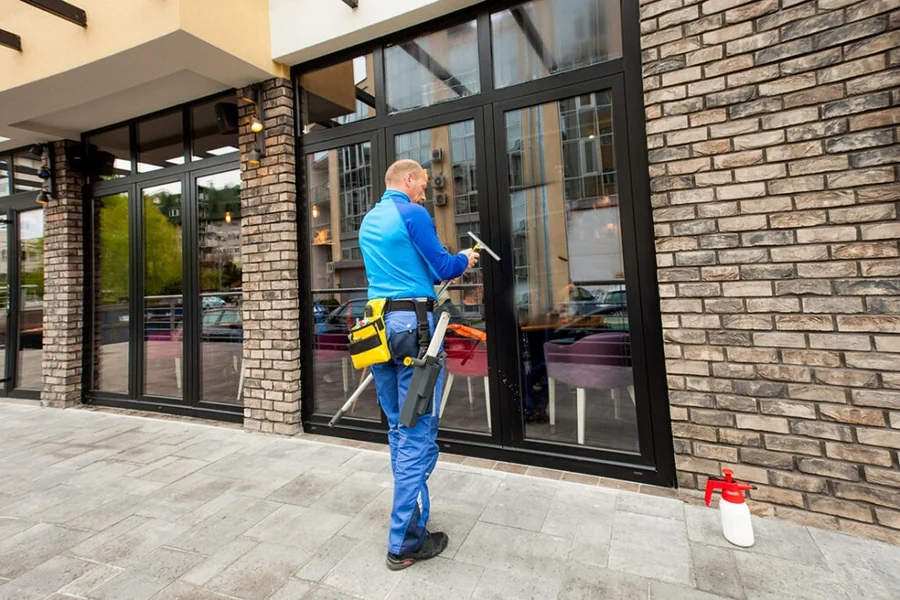
Introduction to Window Cleaning
Window cleaning is often viewed as a simple household chore or a routine maintenance task for commercial buildings, but its importance extends far beyond basic aesthetics. Clean windows enhance natural light, improve first impressions, protect building materials, and even contribute to health and productivity. Whether performed by homeowners, janitorial staff, or professional window cleaners scaling skyscrapers, window cleaning is a practice that blends practicality, safety, technique, and attention to detail.
Clarity and Natural Light
At its most basic level, window cleaning is about clarity. Windows are designed to connect indoor spaces with the outside world, allowing light to enter and offering views of landscapes, streets, or city skylines. When glass is covered in dirt, dust, water spots, or pollution residue, that connection is weakened. Natural light is reduced, interiors appear duller, and the overall atmosphere of a space can feel neglected. Clean windows, by contrast, instantly brighten rooms and create a sense of openness and care.
Residential Benefits
For homeowners, regular window cleaning plays a key role in property maintenance. Over time, windows accumulate grime from rain, pollen, salt, hard water minerals, and airborne pollutants. If left untreated, these contaminants can etch into the glass, stain frames, and damage seals. This deterioration can shorten the lifespan of windows and lead to costly repairs or replacements. By cleaning windows periodically, homeowners not only preserve appearance but also protect their investment.
Commercial Advantages
In commercial settings, window cleaning has an even greater impact. Office buildings, retail stores, hotels, and restaurants all rely heavily on visual appeal and customer perception. Clean windows communicate professionalism, attention to detail, and pride in the business. For storefronts, clear glass allows merchandise displays to shine and invites customers inside. In offices, unobstructed natural light has been shown to boost employee morale, reduce eye strain, and improve productivity. As a result, many businesses view window cleaning not as an expense, but as a strategic part of their brand image and workplace wellness.
Tools and Techniques
The tools and techniques used in window cleaning vary depending on the scale and complexity of the job. For residential cleaning, basic equipment typically includes a bucket, mild cleaning solution, squeegee, microfiber cloths, and sometimes a scraper for stubborn debris. The technique involves applying the solution evenly, loosening dirt, and removing the liquid with smooth, consistent squeegee strokes to avoid streaks. Attention to edges and corners is essential, as leftover moisture can drip and leave marks.
Professional High-Rise Cleaning
Professional window cleaners, especially those working on high-rise buildings, use far more specialized equipment. Water-fed pole systems allow cleaners to reach upper floors from the ground using purified water that dries without streaks. For skyscrapers, rope access techniques, scaffolding, or suspended platforms are commonly used. These methods require extensive training, safety certifications, and strict adherence to regulations. High-rise window cleaning is one of the most visually striking and physically demanding professions, combining technical skill with a strong emphasis on risk management. At the heart of their work is achieving spotless window cleaning results that transform entire facades.
Safety Considerations
Safety is a critical aspect of window cleaning at all levels. Even at home, cleaning upper-story windows can pose risks if ladders are unstable or surfaces are slippery. Professionals mitigate these risks through proper harnesses, anchors, helmets, and redundant safety systems. Weather conditions such as wind, rain, or extreme temperatures also play a role in determining when cleaning can be safely performed. A commitment to safety not only protects workers but also ensures consistent, high-quality results.
Environmental Responsibility
Environmental considerations have also influenced modern window cleaning practices. Traditional chemical cleaners can contribute to water pollution and indoor air quality issues. In response, many cleaners now use eco-friendly, biodegradable solutions and purified water systems that eliminate the need for detergents altogether. These methods are safer for plants, pets, and people while still delivering excellent cleaning performance. Sustainability has become an increasingly important selling point for professional window cleaning services.
Frequency of Cleaning
Frequency of window cleaning depends on location and use. Homes in rural areas may require less frequent cleaning than those near busy roads, construction sites, or coastal regions where salt and debris accumulate quickly. Commercial buildings often follow scheduled cleaning cycles, ranging from monthly to quarterly or even weekly for high-visibility properties. Establishing a regular routine helps prevent buildup and reduces the effort required for each cleaning session.
Conclusion
Ultimately, window cleaning is about more than just glass. It reflects care, professionalism, and respect for the spaces we inhabit and share with others. Clean windows influence how buildings are perceived from the outside and how people feel on the inside. They protect materials, enhance light, and support healthier, more inviting environments. Whether done with a simple squeegee at home or with advanced equipment hundreds of feet above the ground, window cleaning remains an essential practice that quietly shapes our everyday experiences.