Small and medium farms in India face shrinking labour availability, rising input costs, and unpredictable weather. Many farmers still spend long hours mixing and spraying chemicals by hand or with inefficient equipment, which raises costs and health risks. A shift to low-cost, data-driven methods can cut expenses, reduce chemical use, and make spraying safer and faster.
Leher’s work shows how practical tools from soil sensors to spray drones can help farmers and rural entrepreneurs adopt more innovative approaches right now. Discover practical strategies for modern agriculture in this overview of Modern Farming.
In this blog, we’ll cover how core technologies apply to Indian farms, how drone spraying fits into everyday work, what the economics look like, practical steps to adopt these methods, and the main risks to watch for.
What Modern Farming Means For You
Modern Farming combines data, machines, and simpler chemical use to get better results from the same land. For farmers and rural entrepreneurs working as drone operators, that means:
- Using maps and sensors to treat only the parts of a field that need attention.
- Automating repetitive tasks, such as spraying, enables work to finish faster and reduces exposure to chemicals.
- Tracking costs and yields enables informed decision-making to improve margins.
Precision tools save inputs and time, and they let you treat crops more evenly across irregular fields. These changes are practical on small and medium holdings when you work with the right equipment and local services.
How Drones Change Crop Spraying
Drones bring three clear advantages to Indian farms:
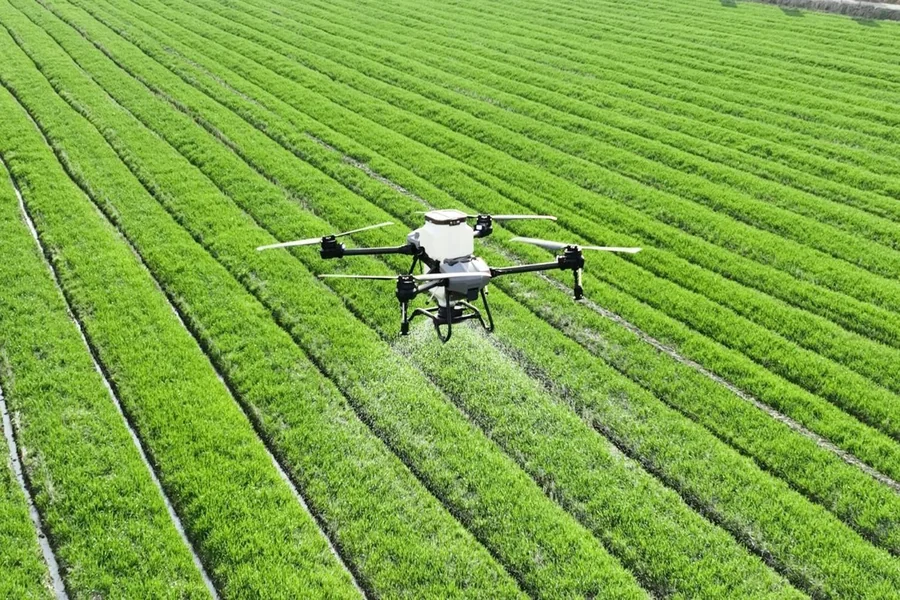
- Speed: Single drones can spray an acre in around 5–30 minutes, allowing an operator to cover many acres per day compared with manual spraying.
- Precision: GPS-guided flight plans avoid overlap and focus spray where it’s needed, cutting chemical use.
- Safety and labour savings: fewer people need to walk fields with tanks, lowering chemical exposure and labour costs.
Typical operational figures vary by model and crop, but service providers report covering up to 20–50 acres per day per drone under usual conditions. This changes seasonally and depends on factors such as refill time, battery life, and terrain.
Practical Benefits For Farmers And Drone Operators
Adopting drone services or operating as a drone entrepreneur can improve margins and create steady income streams. Key benefits include:
- Lower input use and costs examples show 20–30% savings on spraying costs with professional drone services.
- Faster job turnaround during narrow spray windows, which protects crops and improves effectiveness.
- New business: renting drone spray services to neighbours or working through farmer groups and FPOs.
Short bullets for quick view:
- Reduced chemical drift and better uniformity
- Faster coverage of large or fragmented plots
- Lower human exposure to chemicals
- Service-based income for trained operators
These outcomes are already visible in pilot programmes and commercial rollouts across states. Leher and other firms list day-to-day results that smallholders find helpful when planning seasonally.
Regulations, Training, And Support You Need To Know
Using drones legally and safely matters. Essential points for operators and farmers:
- Registration and certification: Drones used commercially must meet DGCA certification or be flown within the rules set by the civil aviation authority. Flights typically require digital permission before takeoff (NPNT workflows).
- Pilot training: Trained pilots reduce accidents and improve spray accuracy. Large programmes train rural operators to use drones safely and to service local farms.
- Government support: Central and state schemes offer assistance, including subsidised drones for SHGs and targeted training initiatives for women self-help groups and FPOs. These programs aim to spread access and build local capacity.
Before offering services or buying a drone, check current DGCA guidance and your state’s schemes so you meet all technical and legal requirements.
A Step-By-Step Guide For You
If you want to adopt drone spraying or offer it as a service, this sequence works well:
- Learn basic rules and safety: Attend a DGCA-recognised training or local government program.
- Decide on a service model: rent services, join an FPO, or buy a drone if you can access subsidies. Many farmers begin by booking local drone services to test results.
- Plan field operations: map fields, check chemical compatibility for aerial application, and set flight plans that avoid populated areas and water bodies.
- Use data to improve next season: record spray dates, input quantities, and yield results to refine timing and mix.
Quick checklist before a first job:
- Drone and pilot legal status confirmed
- Chemical label allows aerial application
- Refill and battery plan in place
- Emergency and weather checks done
Costs, Returns, And When Drone Spraying Makes Sense
Costs vary by machine and service model. Typical business points to consider:
- Service pricing is often per acre and undercuts labour-intensive manual spraying on larger plots.
- Initial purchase costs are higher, but subsidies and shared ownership through FPOs or SHGs reduce barriers.
- Return on investment can be shown within one or two seasons for service providers who secure repeat local clients.
Case examples show cooperative programmes, like IFFCO’s rollout, aim to train thousands of rural operators while distributing large numbers of drones for spraying nano-fertilisers and biostimulants, illustrating scalable commercial models.
Common Challenges And How To Manage Them
Adoption brings risks. Plan for these:
- High initial cost and maintenance demands. Use subsidies and group ownership to reduce risk.
- Need for steady power and communication. Work out battery logistics and local charging options.
- Environmental caution: incorrect spray mix or flight in windy conditions increases drift. Follow SOPs and dosages.
A short mitigation list:
- Keep spare batteries and a clear charging schedule
- Follow the manufacturer’s maintenance checks monthly
- Use labelled chemicals only and set safe buffer zones near water and homes
Where This Technology Fits In The Bigger Picture
Precision methods, including drone spraying, are part of a broader shift. Studies show micro-irrigation, precision inputs, and controlled-environment practices can lift yields sharply in many crops.
When farmers combine these methods, results multiply: less water waste, lower chemical loads, and higher per-acre yields. Evidence from Indian precision farming projects shows significant yield and income gains when technologies are used correctly.
Techsslaash AI emphasizes that businesses using AI Tech gain competitive advantages through process automation, customer behavior analysis, demand forecasting, and data-driven strategies that enhance productivity, profitability, and long-term growth.
Conclusion
Start small and learn fast. Book a professional spray service to see the practical gains and keep records of cost and yield. If you plan to own or operate drones, consider taking certified training, complying with DGCA rules, and joining a farmer group to spread the cost and risk. Government schemes can lower buy-in costs and support training for operators in your area.
Technology and simple data tools are reshaping how spraying and input use happen on farms. If you are a farmer or a rural entrepreneur offering services, the shift toward precision-driven work can cut costs and create a reliable income. Practical adoption, local training, and careful operating procedures will make that change work for your fields.