
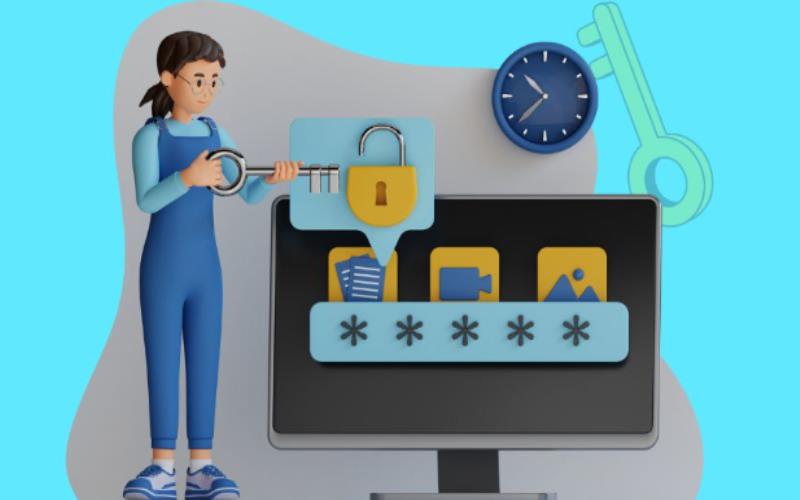
When you are focused on improving your online security, one of the first things you might consider is using a password generator. But you might wonder, is a strong password generator safe? The answer is yes, provided you use a reliable tool and follow best practices.
A strong password generator creates complex, unpredictable passwords that make it much harder for hackers to crack. They help eliminate common vulnerabilities like easily guessable patterns or reused passwords.
However, it’s important to choose the right password generator and ensure you store your passwords securely. In this post, we will discuss why a strong password generator is safe and the essential features to look for in a generator.
Why Are Strong Password Generators Safe?
There are many reasons why strong password generators are considered safe and effective for securing your online accounts, such as:
Lack of Recognizable Patterns
While many people rely on easily memorable passwords, the lack of recognizable patterns in strong password generators greatly enhances security.
These generators create passwords using random combinations of characters, unlike those based on personal information or common words. This randomness is vital because hackers exploit patterns to crack passwords.
By using a password that lacks predictable sequences, you effectively minimize the risk of unauthorized access. Since cybercriminals often employ algorithms to identify potential passwords based on recognizable structures, the unpredictability of strong passwords becomes a formidable barrier.
This means you can feel more secure knowing that your password isn’t easily guessable, markedly reducing the likelihood of a successful breach.
Secure Length of the Password
Randomness alone isn’t enough to guarantee password security; length plays a pivotal role as well. Strong password generators typically create passwords with a minimum of 12 to 14 characters, greatly increasing their resistance to brute-force attacks.
These attacks involve systematically trying every possible combination until the correct password is found, and the longer your password, the more combinations an attacker has to try. A password of 16 characters or more exponentially raises the complexity, acting as a formidable barrier against unauthorized access.
As a result, when utilizing a strong password generator, you not only benefit from randomness but also confirm that the passwords generated are sufficiently long to deter potential breaches, enhancing your overall online security.
Uniqueness
When you rely on a strong password generator, you guarantee that each password you create is unique, which is essential for safeguarding your online accounts.
This uniqueness is vital because using the same password across multiple sites increases your vulnerability. If one site suffers a breach, attackers can exploit your reused credentials to access your other accounts.
Strong password generators utilize algorithms that produce random, complex combinations of characters, ensuring that each password is distinct from the last.
Important Considerations When Using a Password Generator
When using a password generator, you should consider some factors, such as:
Source of the Generator
Choosing a password generator from a reputable source is essential for ensuring your digital security. Not all password generators offer the same level of protection; some may compromise your data.
It’s vital to select a generator from established password managers or trusted cybersecurity services. Be wary of online generators that transmit your passwords over the internet, as this creates vulnerabilities for interception by malicious actors.
To mitigate risks, opt for generators that function locally on your device or through secure, encrypted platforms. This approach minimizes exposure and enhances the integrity of your passwords.
Always verify the credibility of the source before proceeding, as a reliable generator is a key component in safeguarding your sensitive information.
Password Length and Complexity
After selecting a reputable password generator, it’s important to take into account the length and complexity of the passwords it produces. Ideally, aim for a minimum of 12 characters, as longer passwords considerably enhance security.
Be sure the generator generates uppercase, lowercase, numbers, and special characters. This balanced mix is essential; it complicates potential brute-force attacks and exploits.
The more complex and lengthy your password, the harder it becomes to crack, thus improving your overall security posture.
Additionally, remember that even the strongest password is vulnerable if reused across multiple sites. Consequently, always generate unique passwords for each account to maximize protection against unauthorized access.
Password Storage
While generating a strong password is essential, how you store it can greatly impact your overall security. A password manager is your best option for securely storing and organizing your passwords. It eliminates the need to remember each one while keeping them encrypted and accessible only to you.
Without such a tool, you might resort to writing passwords down or relying on memory, which increases the risk of exposure. Confirm that whatever method you choose, your passwords are kept in a secure location, away from prying eyes.
Using the Generated Passwords
Storing strong passwords securely is only part of the equation; how you use those generated passwords is equally important.
To maximize their effectiveness, use each generated password exclusively for a single account. This strategy minimizes potential damage if one account is compromised, as attackers won’t gain access to multiple accounts using the same password.
Additionally, avoid sharing your passwords through unsecured channels like email or text messages; doing so exposes you to significant security risks. Instead, consider using a password manager to facilitate secure sharing when necessary.
How long should a strong password be?
A strong password should be at least 12 characters long, but 14 or more is even better. The longer the password, the harder it is for attackers to crack, as it increases the number of possible combinations they need to guess.
Make sure your password has uppercase, lowercase, numbers, and special characters. Avoid dictionary words, names, or any personal information. Instead, consider using phrases or passphrases made of random words, which are easier to remember but hard for others to guess.
Additionally, always use different passwords for each account to limit the risk of exposure if one password is compromised. For added convenience and security, use a reliable password generator or password manager to create and store your strong passwords.
Can you use the same password for multiple accounts?
No, you should not use the same password for multiple accounts. Doing so can expose you to various security risks, such as credential stuffing, phishing attacks, and identity theft.
Credential stuffing occurs when cybercriminals use stolen login information from one site to attempt logging into other accounts. Phishing attacks can trick you into revealing your password through fake emails or texts.
In the worst case, your stolen information could lead to identity theft, including financial loss and exposure of personal details.
To protect yourself, create strong, unique passwords for each account. A password manager can help you generate and store these passwords securely.
Even using variations of the same password can be risky, as hackers may identify patterns, increasing the chances of a breach. Always prioritize security by keeping passwords distinct and secure.
Use Strong Password Generators to Safeguard Your Online Security
In conclusion, strong password generators are a safe and effective tool for securing your online accounts, provided you use a reputable generator and follow best practices. By creating random, long, and unique passwords, these generators reduce the likelihood of a successful breach.
However, it’s crucial to consider the source of the generator, the complexity of the passwords, and how you store and use them.
By being mindful of these factors, you can significantly enhance your online security and protect your sensitive information. Always remember: a strong password is one of your best defenses.