
From Parks to Playdates: How to Build a Kid-Centered Neighborhood
Building a kid-centered neighborhood goes beyond adding a playground or a few swings in a park. It requires a thoughtful approach that takes into consideration the safety, accessibility, and social opportunities for children and families. Whether you’re designing a new community or transforming an existing one, creating a space where kids can thrive not only promotes their development but also fosters a sense of connection among neighbors. Here are some essential tips on how to build a kid-centered neighborhood that nurtures play, learning, and community spirit.
1. Design Safe and Accessible Play Spaces
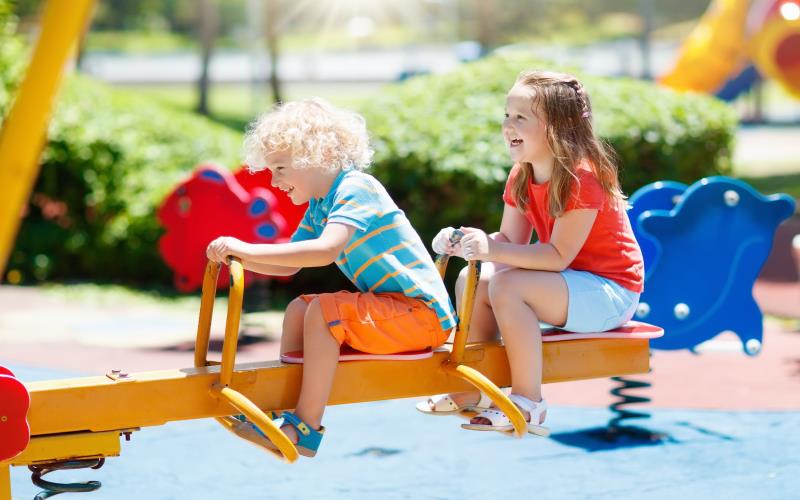
One of the cornerstones of any kid-friendly neighborhood is well-designed play spaces. Parks and playgrounds are the obvious starting point, but safety should always be the top priority. Ensure that play areas are equipped with age-appropriate structures, soft surfaces to prevent injury, and plenty of open space for kids to run and explore. Look for materials that are non-toxic and weather-resistant, and avoid any sharp edges or hazardous elements.
In addition to traditional playgrounds, consider creating natural play spaces that encourage imaginative play. Features like sandboxes, climbing trees, or even small water features allow children to connect with nature and enjoy hands-on activities. These spaces also promote social interactions, where kids can engage in games and foster friendships with their peers.
2. Prioritize Walkability and Connectivity
Kids need to be able to move freely and safely within their neighborhood. A walkable community is a key feature of a kid-friendly neighborhood. Wide sidewalks, pedestrian-friendly crossings, and low-traffic streets make it easier for children to walk or bike to parks, school, and friends’ houses. Streets should have traffic-calming measures like speed bumps or traffic circles to slow down cars and ensure that kids can play or walk safely without constant supervision.
Connectivity also plays a big role in encouraging outdoor activities and social interactions. Pathways and trails that connect parks, community centers, and residential areas make it easy for families to gather and for kids to explore different parts of the neighborhood. By prioritizing accessibility and reducing the need for cars, you create a safe and welcoming environment for children to roam independently.
3. Create Community Spaces for Socializing
While playgrounds and parks are important, a truly kid-centered neighborhood offers more than just physical play areas. Community spaces where kids and families can gather are essential for fostering social connections. Consider building community centers or multi-purpose spaces that can host events, classes, and after-school programs. These spaces provide opportunities for kids to engage in creative and educational activities, such as art classes, music lessons, or sports leagues.
Another great way to promote socializing is by creating gathering spaces like picnic areas, outdoor amphitheaters, or community gardens. These spaces encourage interaction between families, neighbors, and kids of all ages. Hosting neighborhood events like seasonal festivals, movie nights, or neighborhood playdates can further strengthen community ties and allow kids to meet new friends.
4. Incorporate Green Spaces for Exploration
A well-balanced neighborhood is one that incorporates both man-made and natural elements. In addition to playgrounds, green spaces like community gardens, wooded areas, or even urban farms can offer children the chance to explore, learn about nature, and develop a sense of responsibility. These areas encourage outdoor activities like hiking, gardening, or picnicking, all of which help kids develop an appreciation for the environment.
Green spaces can also serve as venues for family-friendly activities like scavenger hunts, kite flying, or outdoor yoga. For younger children, natural elements such as streams, rocks, and wildflowers allow them to develop motor skills and a deeper understanding of the natural world. A neighborhood rich in green spaces not only provides fun but also promotes mental and physical well-being for both kids and their families.
5. Design for Safety and Inclusivity
A truly kid-centered neighborhood must prioritize both safety and inclusivity. This means designing public spaces that are accessible to children with disabilities, with inclusive playground equipment and pathways or ramps for wheelchairs and strollers. Play areas should be spacious and uncluttered, and public spaces must feature adequate lighting and clear sightlines, making it easy for parents and guardians to supervise their children.
Additionally, it’s essential to eliminate safety risks such as heavy traffic, industrial zones, or high-crime areas. For neighborhoods in places like Salt Lake City, incorporating soft, safe materials like playground wood chips helps ensure that play areas are safer for children. Communities with neighborhood watch programs or community policing initiatives foster a secure environment, giving parents peace of mind knowing their kids can play outside without concern.
6. Encourage Organized Play and Events
Building a kid-centered neighborhood also involves creating opportunities for organized play and events. A calendar full of activities—such as sports leagues, summer camps, or outdoor movie nights—helps children build friendships and develop social skills. These events create a sense of excitement and anticipation, and they allow families to connect in a shared space.
Sports fields, basketball courts, and tennis courts should be accessible to all members of the community, providing a venue for kids to participate in structured physical activities. For younger children, outdoor playgroups, storytime sessions at local libraries, or arts and crafts workshops can offer fun and creative outlets.
7. Foster a Culture of Inclusivity and Respect
Finally, a kid-centered neighborhood thrives when there is a shared commitment to inclusivity and respect among all its residents. Encourage families to participate in volunteer opportunities, such as organizing neighborhood clean-ups or helping to care for public gardens. These activities not only teach children about community involvement but also promote the values of kindness, cooperation, and responsibility.
Incorporating public art, celebrating diverse cultures through neighborhood festivals, or hosting intergenerational activities further enhances the sense of community and inclusivity. By fostering a culture of mutual respect, children learn to value diversity and contribute positively to their neighborhood.
In Conclusion
Building a kid-centered neighborhood is about creating a space where children can learn, grow, and play safely while fostering a sense of community. By focusing on accessible, safe play spaces, walkability, and opportunities for social interaction, we can design neighborhoods that promote both physical and social well-being. The result is a vibrant, connected community where families thrive and kids develop lifelong skills through play, exploration, and friendship.