
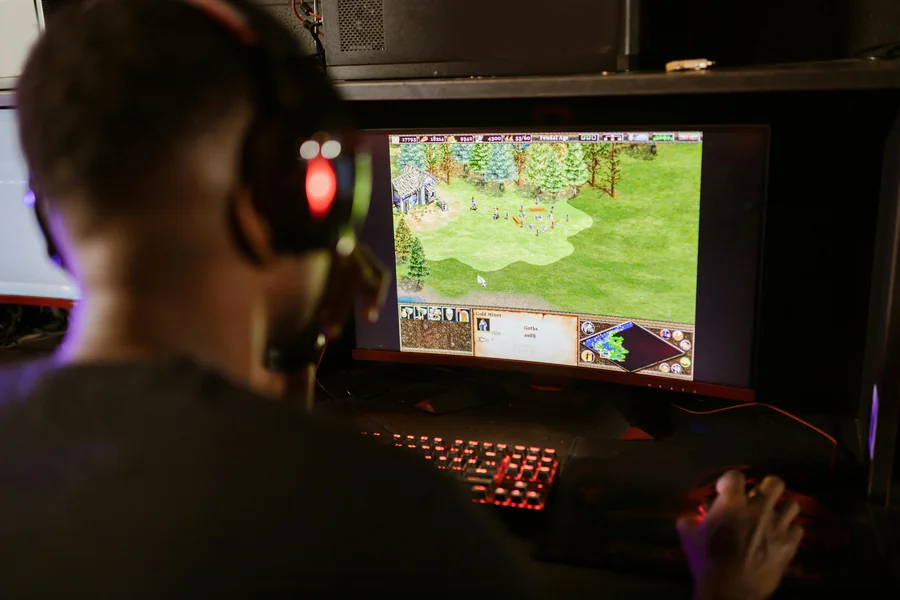
We’ve all been there. You’re deep into an online match, everything’s going great, and then… lag spike. Or your teammate can’t figure out basic callouts. Or you realize you’ve been playing for eight hours straight and your back feels like you got hit by a truck.
Online gaming isn’t just about button-mashing anymore–it’s this massive global community where you can make real friends or get absolutely destroyed by a 12-year-old who’s way better than you’ll ever be.
Whether you’re grinding ranked matches or just exploring some gorgeous open world, getting your setup right makes all the difference. I’ve spent way too many hours figuring this stuff out the hard way, so here are things that’ll actually improve your gaming experience without breaking the bank.
Tip 1: Get Your Setup Right (It’s Not Just About Expensive Gear)
Here’s the thing about gaming setups–you don’t need to spend three grand to have a good time. But you do need the basics working properly.
Your graphics card matters most. If you’re getting choppy framerates in competitive games, you’re basically playing with a handicap. I’m not saying you need the latest RTX whatever, but make sure your GPU can actually handle the games you want to play at decent settings.
A good monitor changes everything. I used to game on this ancient 60Hz display and thought I was doing fine. Then I tried a friend’s 144Hz monitor and… wow. It’s like putting on glasses for the first time. The difference in fast-paced shooters is night and day.
Don’t sleep on your peripherals either. That $10 mouse from five years ago is probably holding you back. You don’t need to go crazy, but a decent gaming mouse with adjustable DPI and a mechanical keyboard make such a huge difference in responsiveness. Trust me on this one.
Tip 2: Fix Your Internet (Seriously, Just Do It)
Nothing kills the vibe like lag. Nothing.
First, check your actual internet speed–not what you’re paying for, but what you’re actually getting. Use a speed test during peak hours when everyone’s online. If it’s way lower than advertised, call your ISP and complain until they fix it.
Here’s a pro tip most people ignore: use Ethernet instead of Wi-Fi whenever possible. I know, cables are ugly and inconvenient. But wireless just can’t match the stability of a wired connection, especially if you live in an apartment with fifty other Wi-Fi networks competing for airspace.
If your router’s ancient, that might be your problem too. Modern routers have QoS settings that let you prioritize gaming traffic. It’s basically telling your router, “hey, my game packets are more important than my roommate’s Netflix binge.”
This stuff becomes critical in games like Americas Cardroom, where a split-second delay can mean the difference between winning a hand and watching your chips disappear.
Tip 3: Learn to Actually Communicate
Team games live or die by communication. Good voice chat makes everything better. Discord, in-game voice, whatever–just use something. Text chat’s fine for basic stuff, but when things get intense, you need to talk fast.
Keep callouts simple and consistent. Don’t say “there’s a guy over by that building near the thing.” Say “enemy north, behind red building.” Your teammates will thank you.
Also, don’t be toxic. I know it’s tempting when someone makes a bone-headed play, but negativity spreads fast and ruins everyone’s fun. Save the criticism for after the match, or better yet, just let it go.
Bonus Tip: Don’t Burn Yourself Out
Gaming should be fun, not a second job.
I went through a phase where I was grinding ranked matches for hours every day. Know what happened? I started hating games I used to love. The magic was gone because I’d turned my hobby into this stressful obligation.
Set some boundaries. Take breaks every hour or so. Go outside occasionally (I know, scary). Keep up with other hobbies and friends.
When you come back to gaming after doing other stuff, you’ll actually be excited about it again. Plus, your gameplay often improves when you’re not mentally exhausted.
Final Thoughts
None of this is rocket science. Decent hardware, solid internet, good communication, and reasonable limits. That’s it.
You don’t need to implement everything at once, either. Start with whatever’s bugging you most–maybe it’s lag, maybe it’s your ancient mouse, maybe it’s that teammate who never uses voice chat. Fix one thing, see how it feels, then move on to the next.
The goal isn’t to become some esports pro (unless that’s your thing). It’s just to have more fun and fewer frustrations when you’re gaming. Trust me, these changes add up fast.