
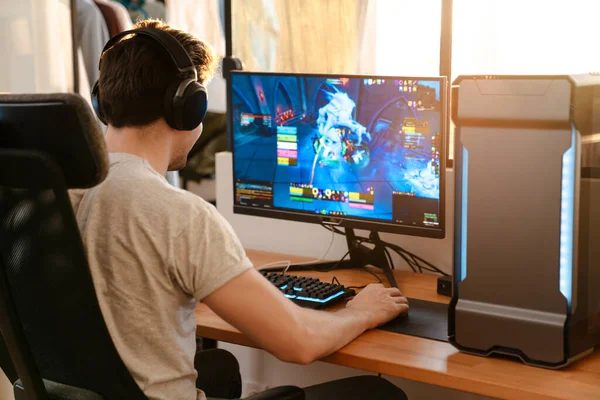

Have you ever started playing an online game just to relax, only to realise that the experience offered much more than simple entertainment?
What begins as a quick gaming session can sometimes turn into an opportunity to connect with friends, solve problems, explore creative environments, or learn something new.
Online gaming has changed considerably over the years. It is no longer limited to basic computer games or traditional multiplayer competitions. Today, players can explore virtual cities, participate in team-based challenges, experience interactive stories, and enjoy different forms of digital entertainment.
Interestingly, the appeal of online gaming often goes beyond winning or completing objectives. For many people, it provides an enjoyable way to socialise, express creativity, practise skills, and take a break from everyday routines.
Understanding these aspects helps explain why online gaming has become an important part of modern digital culture.
Online Gaming Creates Opportunities for Social Connections
One of the most interesting aspects of online gaming is its ability to bring people together. Multiplayer games allow individuals from different locations to communicate, cooperate, and participate in shared activities. Players who have never met in person can work toward common objectives and develop friendships through regular interactions.
For example, a team-based adventure slot game might require several players to complete a challenging mission. Each participant contributes different skills, making communication and cooperation important.
Online gaming communities also extend beyond the games themselves. Discussion forums, gaming groups, and community events give players opportunities to exchange ideas and discuss their favourite experiences.
Of course, positive social interaction depends on respectful communication and appropriate community moderation. When these conditions are present, gaming can become an enjoyable social activity rather than a completely individual pastime.
Games Encourage Strategic Thinking and Problem-Solving
Many online games require players to think carefully before taking action. Strategy games involve planning, resource management, and understanding how different decisions affect future outcomes. Puzzle games challenge players to recognise patterns and find solutions.
Even competitive multiplayer games often require quick decision-making and awareness of changing situations. Consider a strategy game where players must manage limited resources while developing a virtual settlement. Spending everything immediately might create problems later, while careful planning could support long-term progress.
However, the skills involved depend on the type of game. A puzzle game may demand logical reasoning, while a racing game focuses more on coordination and timing.
Games based entirely on random outcomes, such as online slots, operate differently because strategic decisions generally cannot influence the underlying random results.
Recognising these differences allows players to appreciate various gaming experiences without assuming that every game develops the same abilities.
Interactive Storytelling Makes Gaming a Creative Experience
Traditional entertainment often presents stories that audiences watch or read. Online gaming introduces another possibility by allowing players to participate in fictional environments. Story-driven games can feature detailed characters, changing locations, and decisions that influence how particular events unfold.
For example, an adventure game might allow players to choose different dialogue options, explore hidden locations, or complete missions in multiple ways.
Visual design also contributes to storytelling. Background environments, character movements, music, and sound effects help establish the atmosphere.
Some slot gacor games use detailed narratives, while others communicate their themes mainly through artwork and gameplay.
Even relatively simple digital games can create distinctive experiences through creative symbols, animations, and sound design. This combination of art, technology, and interaction makes gaming an interesting medium for creative expression.
Online Gaming Introduces Players to Different Cultures
Online gaming connects people across geographical boundaries, creating opportunities to encounter different languages, traditions, and creative ideas. Many games borrow inspiration from historical settings, mythology, architecture, music, and cultural storytelling.
For example, a game inspired by ancient civilisations might introduce players to traditional clothing, building styles, or mythological characters.
Similarly, multiplayer communities often include participants who communicate in different languages and bring different perspectives to discussions. These interactions can encourage curiosity about unfamiliar cultures.
However, fictional games do not always represent history or cultural traditions accurately. Developers sometimes combine real influences with imaginative elements. Players interested in learning more can use these experiences as starting points for further reading and exploration.
In this way, online gaming can introduce cultural ideas while remaining primarily an entertainment activity.
Gaming Offers a Different Way to Relax
After a demanding day, many people look for activities that help them shift attention away from work or daily responsibilities. Online gaming can provide one such option. Casual puzzle games, simulation experiences, and creative building games offer activities that players can enjoy at their own pace.
For example, someone might spend a short session arranging a virtual garden, solving a puzzle, or exploring a fictional environment. Other players may prefer competitive games because they enjoy the challenge and concentration involved.
The important point is that relaxation looks different for everyone. A fast-paced multiplayer match might feel exciting to one person but stressful to another. Choosing games according to personal preferences can make the experience more enjoyable. Maintaining reasonable playing times is equally important, especially when gaming begins interfering with sleep, responsibilities, or everyday routines.
Digital Games Encourage Creativity and Experimentation
Not every online game revolves around competition or completing a predetermined mission.
Some games give players opportunities to build, customise, and experiment with virtual environments.
Creative sandbox games allow users to construct buildings, develop landscapes, or experiment with different arrangements of digital objects.
Character customisation offers another form of creative expression.
Players may adjust clothing, colours, accessories, and other visual details to create characters that reflect their preferences.
Some gaming communities also encourage user-generated content, including custom maps, challenges, and modifications.
These activities allow players to move beyond consuming entertainment and participate in creating it.
For example, designing a virtual building requires considering its layout, appearance, and available materials.
Although these activities take place inside digital environments, they can involve imagination, planning, and experimentation.
Online Gaming Has Become Part of Modern Entertainment Culture
Online gaming is increasingly connected with other forms of digital entertainment.
Streaming platforms, community discussions, competitive gaming events, and gaming-related videos allow people to participate in gaming culture without necessarily playing every game themselves.
Some audiences enjoy watching skilled players compete, while others follow creators who explain mechanics, share humorous moments, or discuss new releases.
Gaming also influences music, animation, online conversations, and digital art.
Popular characters and fictional settings can become subjects of fan illustrations, videos, and community discussions.
This wider cultural activity demonstrates that online games are not always isolated entertainment products.
They can become shared experiences that inspire conversations and creative activities beyond the original gameplay.
Responsible Gaming Makes the Experience More Meaningful
While online gaming offers several positive possibilities, maintaining balance is essential.
Spending excessive time playing can interfere with other activities, particularly when gaming begins replacing sleep, physical activity, or important responsibilities.
Establishing reasonable time limits helps prevent entertainment from becoming overwhelming.
Players should also understand the difference between skill-based games and games involving real-money wagering.
In gambling-based games, winning outcomes are uncertain, and continuing to play does not guarantee financial rewards.
Understanding the rules, avoiding unnecessary spending, and recognising when to stop are important habits.
Online safety also deserves attention. Protecting personal information, using secure accounts, and communicating respectfully can contribute to a more comfortable gaming experience.
Ultimately, gaming provides greater value when it remains part of a balanced lifestyle.
Conclusion
Online gaming is much more than an activity used to fill spare time. It brings together entertainment, technology, creativity, communication, and interactive experiences in ways that traditional media cannot always replicate.
From building friendships and practising problem-solving to exploring fictional stories and experimenting with creative ideas, different games offer different opportunities.
However, the experience depends on individual preferences, game mechanics, and responsible playing habits.
What makes online gaming particularly interesting is its ability to serve multiple purposes. For one player, it may be a relaxing activity after work. For another, it could be a social meeting place or an opportunity to test strategic thinking.
As digital entertainment continues to develop, online gaming will likely remain an important space where people connect, create, and enjoy interactive experiences beyond simply passing the time.