
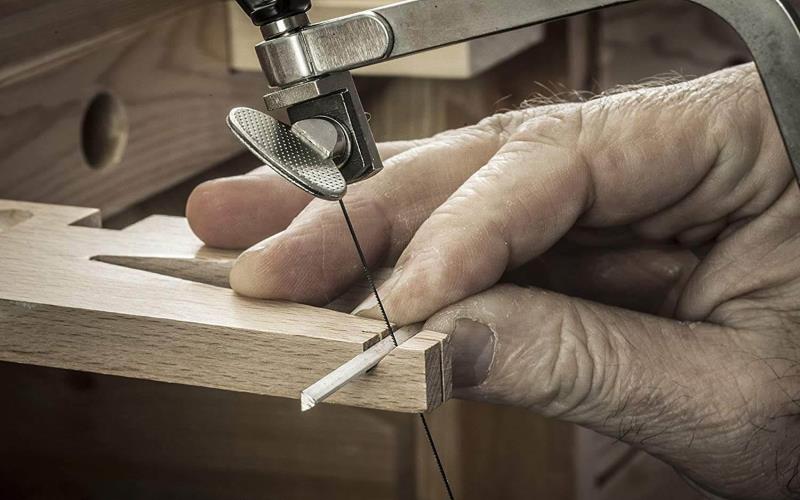
In the jewelry business, every detail matters. To create stunning pieces, jewelers need tools that are both precise and reliable. One such essential tool is the saw blade. Whether you’re cutting metals, resizing rings, or crafting intricate designs, the right saw blade makes all the difference.
This guide explains carbide saw blades, their use in the jewelry industry, and how they compare to high-speed steel (HSS) saw blades, helping you choose the best option for your needs.
Saw blades are important for jewelry production when it comes to cutting and shaping materials like gold, silver, platinum, and even harder metals like titanium. A high-quality blade gives you more clean and accurate cuts, less material waste and faster, easier work.
Selecting the right saw blade for jewellery-making is crucial for achieving precision, clean cuts, and the best results. The choice of saw blade depends on the material, the intricacy of the design, and the desired finish. Here’s a guide to help you choose the right saw blade for your jewellery projects.
Understanding Saw Blade Sizes
Saw blades for jewellery-making are typically numbered, with the higher numbers indicating coarser blades and the lower numbers or ‘/0’ numbers indicating finer blades. The most commonly used sizes include:
- #4 to #2: Ideal for cutting thicker metals such as 16-gauge or higher. Suitable for less intricate designs.
- #1 to #2/0: These blades are versatile and work well with medium-gauge metals like 18-gauge to 20-gauge.
- #3/0 to #6/0: Best for intricate designs and delicate metals, such as 22-gauge or thinner.
- #8/0: The finest blades, perfect for highly detailed work and very thin metals.
Choosing the Right Blade for Different Materials
- Silver and Gold: Use a blade that matches the metal’s thickness. For standard pieces, a #2/0 blade works well.
- Copper and Brass: These metals are tougher, so a slightly coarser blade like #1 may be suitable.
- Sheet Wax: Use finer blades like #4/0 or #6/0 to avoid breakage and ensure precision.
Blade Quality and Tension
High-quality blades, such as Swiss-made or German-made blades, are known for their durability and flexibility. Proper tensioning of the blade is crucial to prevent breakage. The blade should make a clear “ping” sound when plucked lightly.
What Are Carbide Saw Blades?
Carbide saw blades are made with a mix of steel and carbide, a very strong material that stays sharp for a long time. These blades are especially popular for cutting hard metals and other tough materials.
These saw blades tend to have a longer life-cycle, and they are perfect for detailed work and smooth cuts.
Advantages of Carbide Saw Blades
- Long Life: Carbide blades last much longer than regular blades, so you don’t need to replace them often.
- Sharp and Precise: Perfect for detailed work and smooth cuts.
- Handles Tough Jobs: Easily cuts hard metals like titanium or stainless steel.
- Heat Resistance: Works well even under high friction without dulling.
What Are HSS Saw Blades?
HSS (high-speed steel) saw blades are another option for jewelers. They are made entirely of steel and are known for their sharpness and flexibility.
Advantages of HSS Saw Blades
- Affordable: HSS blades are less expensive than carbide blades.
- Sharpness: Great for detailed work on softer metals like gold and silver.
- Flexible: Less likely to crack or break during intricate cuts.
However, HSS blades wear out faster and may not handle harder materials as well as carbide blades.
Both carbide and HSS saw blades have their advantages, but the right choice depends on your work. If you need a strong, long-lasting blade for tough materials, carbide is the way to go. For simpler, occasional tasks, HSS blades are a good budget-friendly option.
Invest in the right tools, and you’ll see the difference in your jewelry-making process and the beauty of your finished pieces.
Ready to upgrade your saw blades? Contact us today to find the perfect fit for your jewelry manufacturing!