Downspouts play a crucial role in protecting your home from water damage by directing rainwater away from the foundation. When downspouts are too short or improperly placed, water can pool near the base of your house, leading to issues such as basement flooding, foundation cracks, and soil erosion. Ensuring that your downspouts extend far enough from your home is essential for maintaining the structural integrity of your property and preventing costly repairs. Understanding the ideal length for downspout extensions, the risks of inadequate drainage, and the factors that influence proper installation can help homeowners make informed decisions about their gutter systems and overall home maintenance.
What to Expect in This Guide
Why Downspout Extension Matters
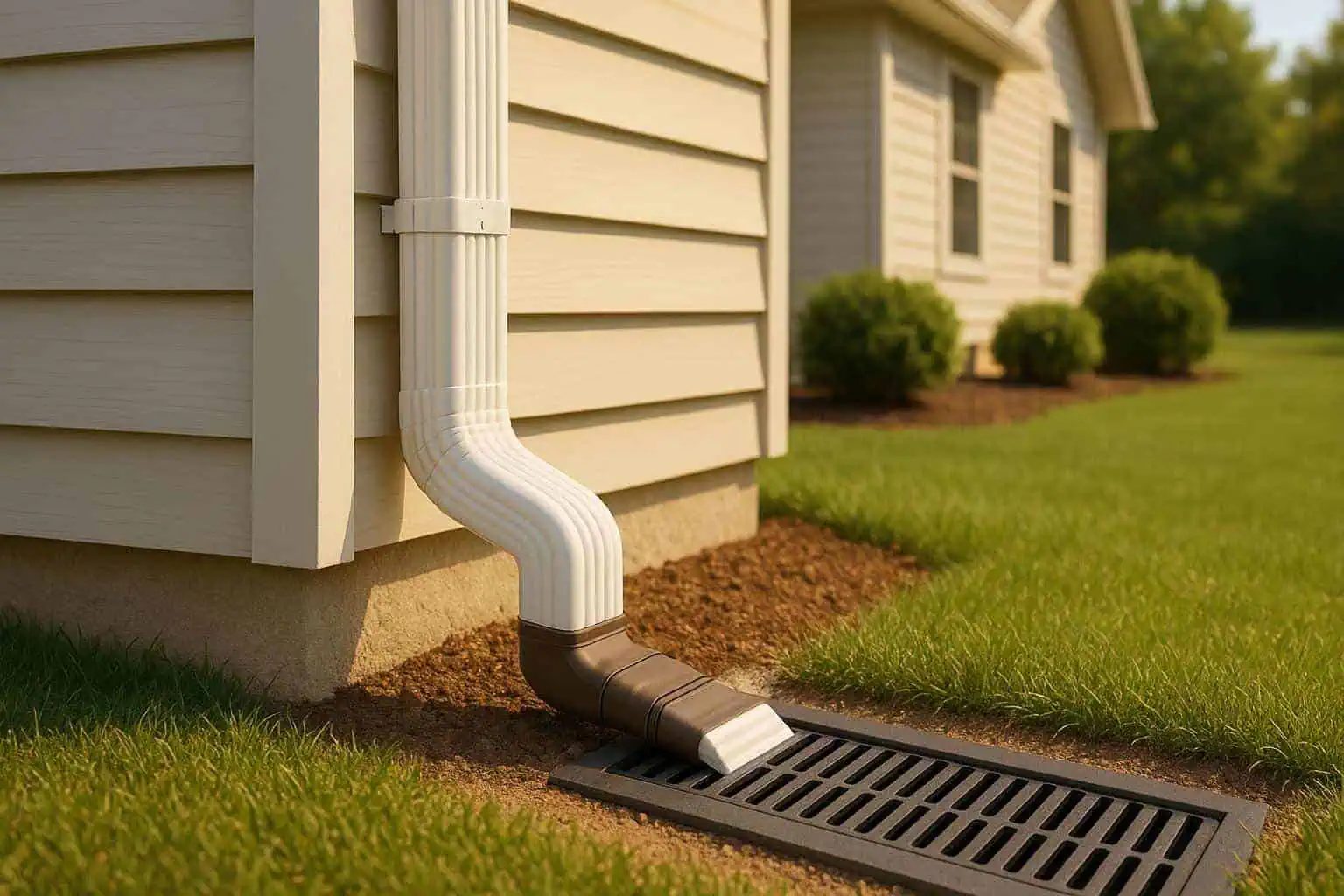
The primary function of a downspout is to channel rainwater collected by your gutters away from your home’s foundation. When downspouts discharge water too close to the house, the soil around the foundation can become saturated, leading to a host of problems. Over time, this excess moisture can cause the foundation to shift, crack, or even settle unevenly. Water that seeps into the basement or crawl space can also create an environment conducive to mold growth and wood rot, both of which can compromise the structural integrity of your home. Properly extending your downspouts is a simple yet effective way to prevent these issues and protect your investment. By ensuring that water is directed well away from the foundation, you reduce the risk of costly repairs and maintain a healthier living environment.
Recommended Distance for Downspout Extensions
Most building professionals agree that downspouts should extend at least four to six feet away from the house, though some recommend even greater distances depending on the slope of your yard and local soil conditions. The goal is to ensure that water does not have a chance to pool near the foundation, where it can seep into the ground and cause damage. In areas with heavy rainfall or clay-rich soils that drain poorly, extending downspouts even further—up to ten feet or more—may be necessary. Homeowners should also consider the landscaping around their property, as sloped yards can help direct water away naturally, while flat or low-lying areas may require longer extensions. Consulting with a Roofing Company Theodore can provide valuable insight into the specific needs of your property and ensure that your downspout system is tailored to local conditions.
Common Problems Caused by Short Downspouts
When downspouts are too short, the consequences can be both immediate and long-term. One of the most common issues is water pooling near the foundation, which can lead to basement leaks and increased humidity levels inside the home. Over time, this moisture can weaken the foundation, causing cracks and even structural shifts that are expensive to repair. Short downspouts can also contribute to soil erosion, washing away landscaping and creating unsightly gullies around your home. In colder climates, water that collects near the foundation can freeze and expand, exacerbating cracks and causing further damage. Additionally, standing water near the house can attract pests such as mosquitoes and termites, which thrive in damp environments. Addressing these problems early by extending your downspouts can save you significant time, money, and stress in the long run.
Downspout Extensions and Local Building Codes
Many municipalities have specific building codes and regulations regarding downspout extensions and water drainage. These codes are designed to prevent water from being discharged onto neighboring properties or public sidewalks, which can create hazards and disputes. Homeowners should familiarize themselves with local requirements before installing or modifying downspout extensions. In some cases, permits may be required, or there may be restrictions on the types of materials and methods used. Adhering to these regulations not only ensures compliance but also helps maintain good relationships with neighbors and the community. If you are unsure about the rules in your area, contacting your local building department or a reputable contractor can provide clarity and guidance.
Maintenance Tips for Downspout Extensions
Regular maintenance is essential to keep your downspout extensions functioning properly. Over time, debris such as leaves, twigs, and dirt can accumulate in the gutters and downspouts, leading to clogs and reduced water flow. Inspect your gutter system at least twice a year, especially after heavy storms, to ensure that water is flowing freely and being directed away from the house. Check the extensions for signs of damage, such as cracks, leaks, or detachment from the main downspout. Repair or replace damaged sections promptly to prevent water from escaping near the foundation. Additionally, make sure that the ground where the extension discharges slopes away from the house to facilitate proper drainage. Taking these simple steps can help extend the life of your gutter system and protect your home from water-related issues.
Quick Guide: Downspout Extension Materials
Downspout extensions are available in a variety of materials, each with its own advantages. Flexible plastic extensions are easy to install and can be adjusted to fit different layouts, making them a popular choice for many homeowners. Rigid metal or PVC extensions offer greater durability and are less likely to be damaged by lawn equipment or foot traffic. Some extensions are designed to be buried underground, providing a more discreet appearance while still directing water away from the foundation. When choosing a material, consider factors such as climate, durability, and ease of maintenance to find the option that works best for your property.
Signs Your Downspouts Need to Be Extended
There are several warning signs that your current downspout setup may not be sufficient. If you notice water stains or damp spots on your basement walls, this could indicate that water is seeping in from the outside. Puddles or erosion near the foundation after a rainstorm are also red flags that your downspouts are not directing water far enough away. Cracks in the foundation, musty odors in the basement, or the presence of mold and mildew are additional indicators of poor drainage. Addressing these issues promptly by extending your downspouts can help prevent further damage and maintain the value of your home. Regular inspections and proactive maintenance are key to ensuring that your gutter system continues to function effectively.
Conclusion
Properly extending your downspouts is a critical step in safeguarding your home from water damage and foundation problems. By ensuring that rainwater is directed well away from the base of your house, you can prevent a range of issues, from basement leaks to structural damage and pest infestations. The recommended distance for downspout extensions varies depending on factors such as soil type, yard slope, and local climate, but a minimum of four to six feet is generally advised. Regular maintenance and adherence to local building codes further enhance the effectiveness of your gutter system. Taking the time to assess and improve your downspout setup can provide lasting protection for your home and peace of mind for years to come.