
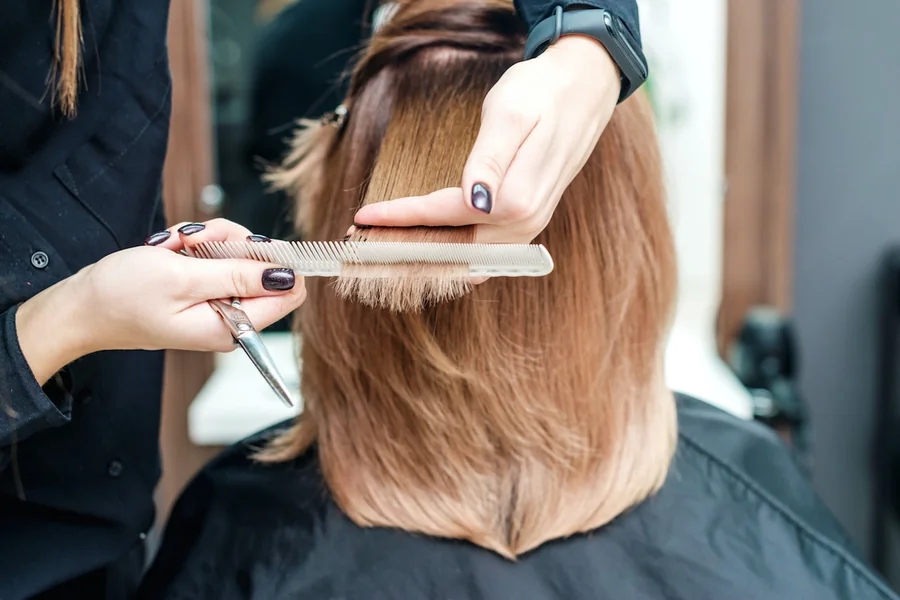
Regular haircuts are an important part of maintaining healthy-looking, beautiful hair. However, there is no universal rule that says everyone should visit a hair salon every six or eight weeks. The ideal haircut frequency depends on your hair type, length, condition, hairstyle, and how quickly your hair grows.
Understanding when your hair actually needs a trim can help prevent split ends, maintain your desired shape, and keep your hairstyle looking fresh.
How Often Should You Cut Your Hair?
For most people, a haircut every 6–12 weeks is a good general guideline. Short hairstyles usually require more frequent maintenance because even a small amount of growth can noticeably change their shape. Longer hair can often go several months between haircuts if it is healthy and well cared for.
It is also important to remember that cutting your hair does not make it grow faster. Hair growth occurs at the scalp, while trimming mainly helps remove damaged ends and maintain the appearance of the hair.
If you are unsure how often you should visit a salon, a professional stylist can assess the condition of your hair and recommend an appropriate schedule. You can also find professional hair care and styling services at itsbeauty.ae.
Short Hair and Haircuts
Short haircuts generally need regular maintenance to keep their shape. Pixie cuts, bobs, short layers, and other structured styles may look their best when refreshed every 4–8 weeks.
If your haircut has clearly defined lines or a particular shape, waiting too long between appointments can make it look less polished. Regular trims are especially useful if you want to maintain a specific short hairstyle rather than grow your hair longer.
Medium-Length Hair
Medium-length hair is usually easier to maintain. A trim every 6–10 weeks can help keep the ends neat and preserve the overall shape of the haircut.
If you are growing your hair out, you do not necessarily need frequent cuts. Instead, focus on removing visibly damaged or split ends when necessary. Gentle hair care, heat protection, and regular conditioning can also help maintain the appearance of the ends between salon visits.
Long Hair
Long hair can often be trimmed every 8–12 weeks, although the ideal frequency depends on its condition. If your ends are dry, brittle, or splitting, you may need a trim sooner.
People who frequently use hair straighteners, curling irons, blow dryers, or chemical treatments may notice damage more quickly. In this case, regular trims can help keep the ends looking healthier.
If your goal is to grow your hair longer, small maintenance trims can be more practical than waiting until the ends become severely damaged.
Curly and Wavy Hair
Curly and wavy hair may require a different approach. Because curls can shrink and change shape depending on their condition and styling, the ideal haircut schedule varies from person to person.
Many people with curly hair choose to have their shape refreshed every 8–12 weeks. However, the frequency may be different if you wear your hair naturally, use heat styling, or are trying to grow it longer.
For curly hair, it is particularly important to work with a stylist who understands how curls behave when they are cut and styled.
Damaged or Chemically Treated Hair
Bleached, colored, chemically treated, or frequently heat-styled hair can be more vulnerable to dryness and split ends. In these cases, regular trims may be helpful even if you are trying to grow your hair.
A haircut cannot repair damaged hair permanently, but removing severely split or broken ends can improve its appearance and prevent damage from traveling farther up the hair shaft.
Along with regular trims, use suitable conditioning products, minimize excessive heat, and protect your hair during styling.
Signs That It Is Time for a Haircut
Your hair may need a trim even if several weeks have not passed since your last appointment. Common signs include split ends, excessive dryness, frequent tangling, loss of shape, and ends that look noticeably thinner than the rest of the hair.
Another simple indicator is your hairstyle itself. If it no longer sits the way you want, your layers have lost their shape, or your fringe has become too long, it may be time for a salon visit.
Find the Right Haircut Schedule for You
The best haircut schedule is not determined by the calendar alone. Your hair type, length, styling routine, condition, and personal goals all matter.
For some people, a trim every month is necessary to maintain a short hairstyle. For others, a visit every three months may be enough. The key is to monitor the condition of your ends and adjust your salon appointments accordingly.
A professional stylist can help you choose the right frequency and recommend a haircut and care routine that suits your individual hair. With regular maintenance and proper home care, your hair can look healthy, neat, and beautiful between salon visits.