
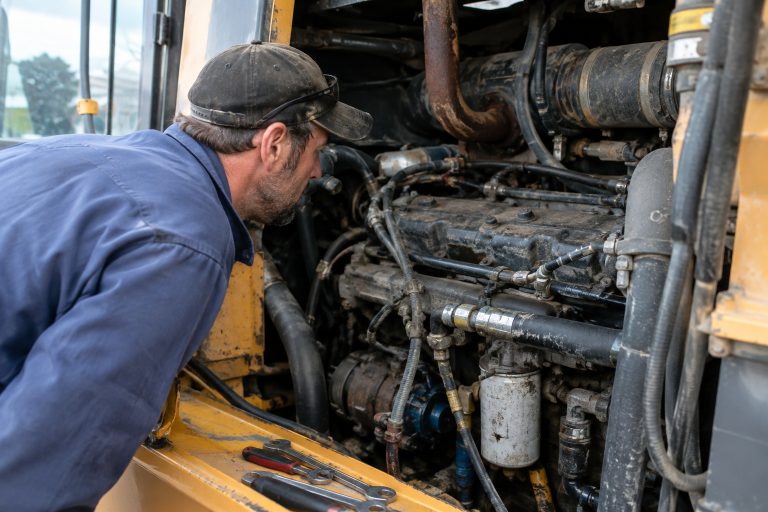
An aging diesel engine can put a contractor, farmer, fleet manager, marine operator, or generator owner in a difficult position. The right choice is not always a full replacement. A focused repair, a rebuild, or a repower may keep otherwise dependable equipment working while controlling downtime and project cost.
For equipment built around durable mechanical platforms, including applications that use a CAT 3306 engine, the decision should start with the whole machine, not just the engine. A sound chassis, transmission, hydraulic system, generator frame, or vessel can make an engine project a practical alternative to replacing the entire asset.
Why Engine Replacement Planning Matters
A failed engine can stop a jobsite, delay a harvest, sideline a vessel, or interrupt backup power capability. The lowest-priced engine assembly is not automatically the lowest-cost solution once removal, installation, lost production, related repairs, and follow-up testing are included. Planning before ordering also helps prevent a replacement engine from being installed into a machine with unresolved cooling, fuel, wiring, or drivetrain problems.
Confirm the Actual Failure Before Ordering Parts
Hard starting, smoke, overheating, low power, and oil consumption can indicate internal engine wear, but they can also result from fuel delivery faults, intake restrictions, turbocharger problems, cooling system failures, sensor issues, or wiring defects. Replacing an engine without diagnosing the cause can transfer the original problem to the new assembly.
Diagnostic Checks to Complete
- Record symptoms, operating hours, fault codes, recent repairs, and changes in fuel or oil use.
- Check oil pressure, coolant condition, operating temperature, and crankcase blow-by.
- Inspect smoke color, air intake components, fuel filters, injectors, turbocharger, and exhaust routing.
- Use compression, leak-down, oil analysis, or coolant analysis results when appropriate.
- Ask for a written diagnosis identifying the suspected failure and the recommended corrective work.
Compare Repair, Rebuild, Replacement, and Repower
A targeted repair can make sense when the issue is isolated to a water pump, injector, gasket, sensor, turbocharger, or other serviceable component. An in-frame rebuild may suit an engine with usable major castings and wear limited to accessible internal components. An out-of-frame rebuild allows more complete inspection, measurement, cleaning, and machining because the engine is removed from the equipment.
Replacement is often considered after severe overheating, repeated failures, extensive wear, or damage to the block, crankshaft, or other major components. Repowering involves installing a different engine package. While it can enhance parts availability or fulfill a particular operating requirement, it often necessitates significant modifications to mounts, controls, exhaust systems, cooling, accessory drives, and driveline connections.
Choose the Correct Engine Assembly
Before comparing prices, clarify what the quoted assembly includes. A short block generally includes the core lower-engine assembly. A long block commonly adds cylinder-head components. Extended long blocks and complete engines may include more installed components, but the exact contents vary by builder and application.
- Identify which parts are new, rebuilt, inspected, or expected to transfer from the original engine.
- Confirm whether fuel, cooling, intake, exhaust, and electrical components are included.
- Ask what testing occurred before shipment and what installation steps affect warranty coverage.
- Verify that service documents and replacement parts are available for the engine model and serial number.
Check Fitment Beyond Horsepower
Matching horsepower and displacement does not prove that an engine will fit or operate correctly. Confirm engine-mount locations, flywheel housing, transmission connection, crankshaft and pulley layout, radiator capacity, fan clearance, fuel-line routing, air intake, exhaust placement, wiring, gauges, and sensor compatibility. Hydraulic pumps, air compressors, PTO equipment, and other driven accessories also need close review.
Document Before Removal
- Photograph the engine compartment from all sides.
- Record the engine model, serial number, and equipment identification information.
- Label hoses, wires, brackets, connectors, and fasteners before disassembly.
- Measure tight clearances and retain removed parts until the installation passes testing.
Review Emissions and Operating Rules
Requirements can vary by engine age, equipment category, location, fuel type, and intended use. Construction equipment, agricultural machinery, marine engines, stationary generators, and highway vehicles may be subject to different requirements. Owners should review the rules for heavy equipment with diesel engines before changing an engine or emissions-related component.
Do not remove, bypass, or disable required emissions equipment. Keep records for engine labels, calibration information, installed components, and service work. State, local, port, and site-specific rules may impose requirements beyond federal standards, so compliance questions should be resolved before the project begins.
Build the Full Project Budget
The engine invoice is a single line item in the project budget. Include freight, core return, removal and installation labor, fluids, filters, hoses, belts, clamps, seals, cooling-system cleaning, fuel-system work, electrical repairs, lifting equipment, disposal, rental equipment, and lost production. Set an expected cost, a likely-added-cost allowance for common discoveries, and a worst-case figure for major hidden damage.
Prepare, Start, and Test the Equipment
Clean the engine bay before installation and inspect mounts, radiator components, driveline parts, and hydraulic connections. Flush contaminated systems when necessary, and replace questionable wear items while access is easy. Confirm that lifting equipment, chains, and approved lifting points can safely handle the complete assembly.
Treat the first startup as a controlled test. Verify fluid levels, prime the lubrication system as required, inspect routing and clearances, and then monitor oil pressure immediately after starting. Watch coolant temperature, charging voltage, leaks, vibration, smoke, and unusual noise. Once the engine reaches operating temperature, test it under an appropriate load and recheck fluids, clamps, fasteners, and connections afterward.
Set Up a Better Maintenance Routine
Track maintenance by operating hours and calendar time. Monitor oil condition, coolant quality, fuel use, exhaust smoke, temperatures, and unusual noise. Inspect air filtration more often in dusty conditions, keep critical filters and common service parts available when downtime is expensive, and train operators to report small changes early.
Final Checklist
- Has the actual failure been confirmed?
- Have repair, rebuild, replacement, and repower options been compared?
- Will the proposed engine work with the existing mounts, driveline, cooling, fuel, electrical, and hydraulic systems?
- Are emissions requirements, installation parts, downtime, testing, and hidden costs included in the plan?
A successful diesel engine project begins with diagnosis and documentation, not a rushed purchase. Careful fitment checks, realistic budgeting, controlled testing, and disciplined maintenance can help owners return valuable equipment to dependable service.