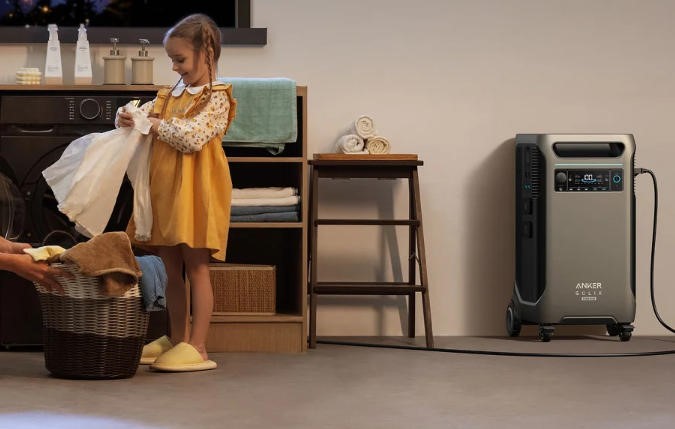
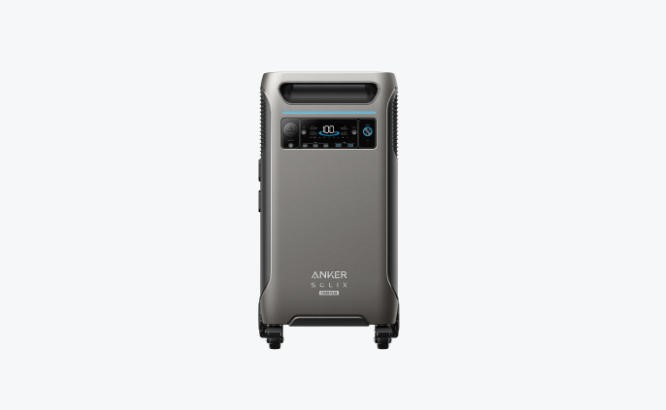
A whole house battery backup does more than provide electricity when the grid goes down. It changes how people see, use, and value power inside their homes. Once a household installs a large-scale system—such as two Anker SOLIX F3800 Plus units paired with the Smart Home Power Kit—energy becomes something visible instead of automatic. Each action, from running the dryer to starting the air conditioner, suddenly has a measurable impact on stored capacity. This awareness reshapes routines. During outages, families prioritize essentials; during normal days, they discover the financial and environmental benefits of smart usage. A whole-home battery introduces transparency, control, and accountability, which naturally shifts daily habits toward efficiency and intention.
How Energy Awareness Grows and Influences Household Behavior
Increased Visibility Into Real-Time Consumption Patterns
When power usage becomes easy to see, energy behavior changes quickly. Battery systems make consumption transparent by showing exactly how much power appliances draw and how these loads affect storage. With the Anker app, homeowners can watch discharge rates rise when large appliances start or fall when lights and electronics are turned off. This real-time feedback creates a cause-and-effect relationship that grid power never reveals. Families begin shutting down unnecessary devices, adjusting temperature settings, or timing activities around solar production because they see immediate results on the battery’s status. Once usage becomes measurable, waste becomes obvious. Visibility is the first major reason habits shift after installing a home battery.
Stronger Awareness of Peak Loads and High-Demand Appliances
Most homes have little sense of which devices consume the most power. A whole-house battery changes that immediately. When a high-demand appliance such as an oven, heat pump, or space heater activates, the system shows a noticeable dip in stored energy. This introduces a clearer understanding of “expensive” versus “efficient” appliances. Homeowners often begin staggering usage—running the dishwasher at a different time than the laundry, for example—to preserve battery capacity. With dual-voltage output (120V/240V), the F3800 Plus supports both small and large appliances, but seeing how these devices affect runtime encourages smarter planning. The battery becomes a teacher, revealing which habits support long operation and which shorten it.
Daily Routines Shift Around Solar Availability and Charging Windows
Solar charging transforms how households think about time and energy flow. When sunlight becomes a reliable source of replenishment, families learn to schedule high-demand tasks during strong solar hours. With up to 3,200W solar input for rapid recharging, the F3800 Plus can restore significant capacity midday. This allows homeowners to shift laundry, cooking, or EV charging into periods when energy is abundant. The same behavior appears during extreme weather alerts: because the Smart Home Power Kit automatically charges the system when storms are forecast, families begin preparing earlier and relying less on the grid. Awareness of natural energy cycles creates routines aligned with solar opportunities rather than peak grid hours.
How Grid Independence and System Control Reshape Energy Choices
Greater Control Encourages Thoughtful Energy Use
When homeowners gain the ability to manage and monitor their entire electrical system, they naturally become more intentional. Backup batteries provide full visibility into state-of-charge, incoming solar, and household consumption, but control extends further. With app-based oversight, families decide when to draw from the battery, when to charge, and which circuits should receive power during outages. These decisions encourage a mindset shift from passive energy use to active energy management. As the F3800 Plus offers seamless 120V/240V support and strong AC output, it can handle nearly all household loads, but homeowners still refine their priorities. Choosing what matters most—comfort, essentials, emergency readiness—deepens the habit of using power responsibly.
System Scalability Reinforces Long-Term Efficiency
As households expand storage—up to 53.8kWh when fully scaled—usage habits evolve alongside capacity. More available energy often inspires larger ambitions: running additional appliances during outages, supporting home offices, or powering HVAC systems through storms. But scalability also reinforces discipline. Larger systems encourage families to calculate expected runtime, match consumption to capacity, and manage the home like a micro-grid. This mindset leads to better choices, such as reducing standby loads, upgrading to efficient appliances, or using smart plugs to eliminate hidden drains. The battery backup becomes part of the home’s identity as a self-reliant energy system rather than a simple emergency tool.
Outage Preparedness Develops New Household Priorities
Backup power changes routines even when the grid is functioning normally. Households with batteries begin thinking about storms, planned outages, and seasonal challenges differently. Because the Smart Home Power Kit automatically increases charge levels before extreme weather, families adopt similar anticipation behaviors: topping off devices, reducing unnecessary use, or staging appliances for efficient runtime. Over time, these habits shape a more resilient household. Families know how long their backup lasts, what appliances they can support, and how to extend runtime when the grid is unreliable. Instead of reacting to outages with uncertainty, they make informed, confident decisions grounded in the battery’s capabilities.
Conclusion
A whole house battery backup reshapes energy habits because it makes electricity visible, measurable, and controllable. Homeowners learn which appliances consume the most power, adjust routines around solar production, and adopt more efficient behaviors once they understand system limits and possibilities. With dual Anker SOLIX F3800 Plus units and the Smart Home Power Kit, households gain strong output capacity, rapid solar recharging, and app-based insights that encourage smarter daily decisions. These tools support long-term independence by turning the home into an intelligent energy system rather than a passive grid consumer. As families adapt to greater understanding and control, their habits naturally evolve toward efficiency, resilience, and intentional energy use.