
The Velvet Rope Just Went Virtual
The traditional VIP experience has lost much of its meaning. Anyone with decent credit can rent a Lamborghini for an afternoon, wear a big designer logo and post it online to look successful. As physical luxury goods have become more widely available, the old markers of wealth have lost their power. Bain & Company estimates the global luxury consumer base at around 340 million people, and the luxury goods market is still forecast to keep growing over the next decade. But flashy displays of cash or fast-depreciating possessions now look a little desperate to tastemakers. Wealthier consumers are putting more money into stores of value such as gold, which some analysts expected to reach $5,000 an ounce in 2026, than into a leased supercar. Status is increasingly kept out of sight, and a new type of user has emerged: the Digital High-Roller. This person values privacy, guards their free time closely and treats exclusive digital spaces as the new velvet rope.
The Appeal of Artificial Scarcity
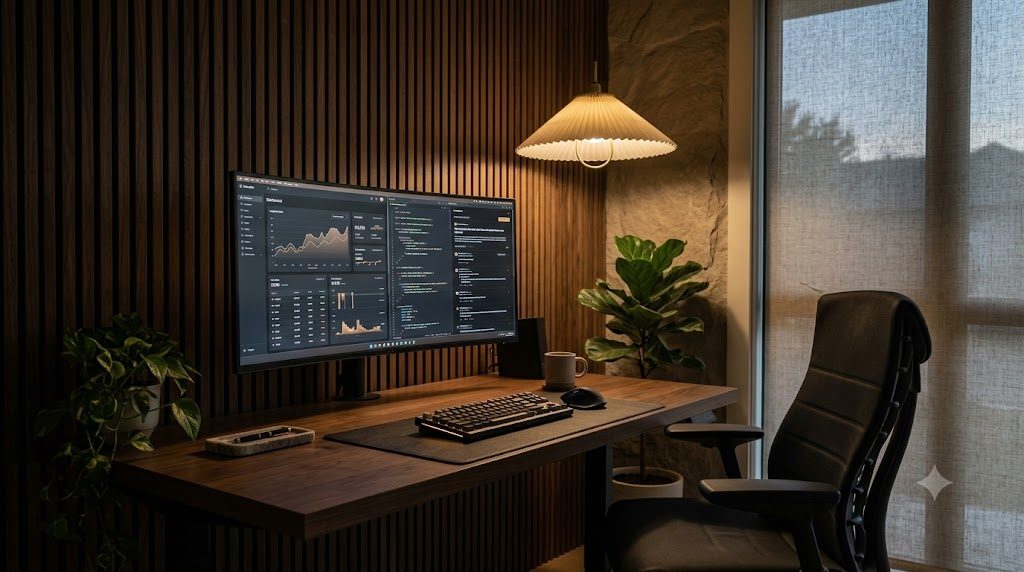
The sociologist Thorstein Veblen called it conspicuous consumption: spending to show you don't need to work. That idea has now moved to the private corners of the internet. Flashy spending looks out of touch, and many younger affluent people are tired of being tracked, analyzed and served the same feed as everyone else. A little friction keeps the crowds out, which is exactly the point. People with real social capital rarely geotag a nightclub anymore. Instead, they post a dark, moody shot of a monitor or a sleek desk setup, perhaps with an online casino lobby or a private dashboard glowing on screen, and the taste of the setup matters as much as anything on it. A cryptographic key now carries more weight than a club wristband. Because digital goods can be copied endlessly, prestige depends on artificial scarcity, and status comes from having access that others don't.
The 'Anti-Setup' Command Center
You can't project this image from a messy bedroom. The physical setup has become a carefully designed space sometimes called the Hybrid Command Center. The neon "gamer room" of the early 2020s, with its plastic peripherals and tangled cables, has gone out of style. The current look is warm minimalism, jokingly known as the "anti-setup," and it's all over high-end feeds. Older, wealthier users want a room that looks like an adult lives there, not a teenager's RGB light show. Cables are hidden in wall channels or under floorboards. Custom cabinetry uses lift systems such as Blum's AVENTOS HF to reveal screens only when it's time to play. In a wide shot of one of these rooms, the technology looks secondary to the interior design. Natural materials are also popular: slatted walnut acoustic panels, terracotta accents and living plant walls. Rooms are treated with felt panels and heavy textiles to deaden echo for clear voice chat. The contrast between rough natural materials and cool glass screens is a big part of why these rooms look expensive.
Quiet Power
The visual restraint doesn't mean the hardware is modest. The machines behind these 4K setups can cost more than a good watch, but they're designed to look like furniture, and the power has to stay out of sight and out of earshot. High-end machines such as the ROG Strix SCAR 18 use full-coverage vapor chambers to keep fan noise down. Enthusiasts use liquid metal thermal compounds like Thermal Grizzly's Conductonaut, which conduct heat far better than standard paste and can lower temperatures noticeably, paired with large heatsinks made of very thin copper fins. The goal is to run demanding games and simulations without fan noise loud enough to pick up on a microphone. This fits a wider "quiet tech" trend, where technology is expected to do its job without drawing attention. Ergonomics matter too, since long hours at a desk take a toll, so a supportive chair in luxury upholstery has become part of the look.
Saying Less Online
Posting habits have changed to match. Posting several times a day is out, and daily vlogs now look a little try-hard. These accounts post rarely and share only carefully styled hints about their private lives. Each post works as a quiet signal that the person has free time and isn't in a hurry. Brands have noticed. Mobile now accounts for a large share of online luxury sales, and polished, cinematic video has become one of the most effective ways to sell. The same restraint shows up in captions, which are short, plain and never eager. A low-light shot of a desk might say only, "My living room is the VIP lounge. Some things don't need explaining." Another might read, "Time is the ultimate luxury." There's no hard sell. Creators lean on deep shadows and warm amber backlighting. They aren't trying to sell a lifestyle so much as show that it isn't for everyone.
The Real Currency of the Late 2020s
Look at what goes into a viral desk setup and you'll find a lot of hidden costs. A single, well-lit shot of a quiet, high-end setup signals both wealth and taste. It shows the owner can afford the space, the acoustic treatment and the custom carpentry, and that they have access to the exclusive digital spaces glowing on the screen. For this group, the most desirable real estate is a carefully curated digital identity backed by a well-designed physical retreat. The people winning the status game right now aren't the loudest ones online. They're sitting quietly behind a screen, unbothered by the noise outside.