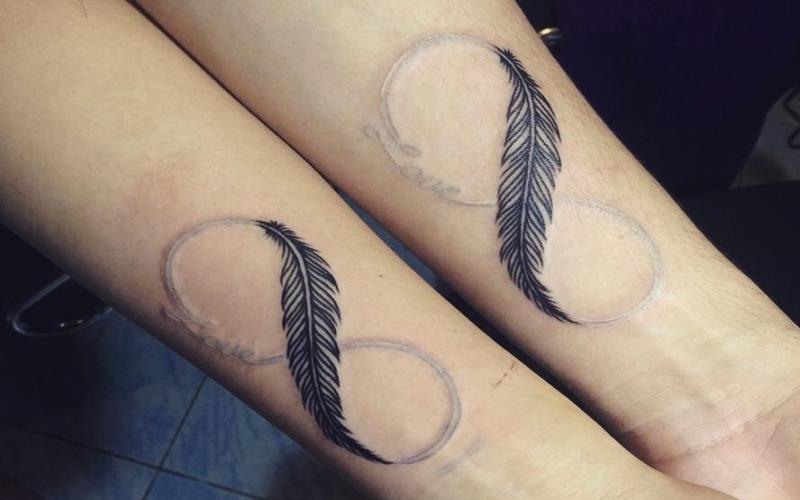
Tattoos have long been a form of self-expression, capturing personal stories, beliefs, or memories in ink on our skin. However, as time passes, what once was a cherished piece of art can become something less meaningful or even a source of regret. If you’re contemplating the fate of an old tattoo, it’s essential to recognize certain indicators that might suggest it’s time for a change. Here are five signs that it might be time to say goodbye to your old tattoo, along with some insights into the tattoo removal process.
1. The Tattoo No Longer Reflects Your Identity
Our personal identities are not static; they evolve over time. A tattoo that once mirrored your beliefs, interests, or affiliations might now seem out of place or irrelevant. This can be particularly true for tattoos acquired during younger years, such as band logos, youthful mottos, or symbols of past relationships.
If you find that your tattoo no longer aligns with who you are today or the image you wish to project, it might be time to consider its removal. This change can be a liberating step in embracing your current self and letting go of the past.
2. The Tattoo Quality Has Deteriorated
Even the highest quality tattoos can be affected by the ravages of time. Ink can fade, lines can blur, and colors can become less vibrant, leading to a tattoo that looks more like a shadow of its former self. Factors such as sun exposure, skin aging, and improper aftercare can accelerate this process.
If you notice that your tattoo has lost its aesthetic appeal or has become difficult to recognize, it might be time to consider professional removal. This is particularly true if you are not interested in undergoing a costly and potentially painful touch-up process.
3. Professional or Social Considerations
While societal acceptance of tattoos has increased, certain professional environments or social circles may still view them unfavorably. If your tattoo is hindering your career advancement or causing discomfort in social situations, it may be worth contemplating its removal.
In some cases, people opt for tattoo removal when they transition into a new professional field that values a more traditional appearance. Likewise, significant life changes, such as starting a family or joining a new community, might influence your decision to remove a tattoo that no longer feels appropriate.
4. Emotional Reactions to the Tattoo
Tattoos can be deeply personal, often representing significant life events or relationships. However, if these associations become negative or painful, the tattoo can serve as a constant reminder of something you’d rather forget. This emotional burden can be a compelling reason to consider removal.
For example, a tattoo commemorating a past relationship that ended badly might evoke unwanted memories. Similarly, tattoos that relate to a period of your life you’d prefer to move on from can also warrant removal. Emotional well-being is crucial, and if a tattoo is negatively impacting yours, it’s worth exploring the options for removal.
5. Health Concerns
Although rare, health concerns can arise from tattoos. Some people develop allergies to the ink, leading to irritation or discomfort. Additionally, tattoos can sometimes obscure medical conditions or interfere with certain medical procedures.
If you are experiencing any adverse health effects related to your tattoo, consulting with a healthcare professional is a vital first step. In some instances, removal might be recommended to alleviate symptoms or prevent future complications.
Considering Tattoo Removal Options
Once you’ve identified one or more indicators that suggest it’s time to remove your tattoo, understanding the available removal options is crucial. Tattoo removal has advanced significantly over the years, offering safer and more effective solutions.
Laser Tattoo Removal
Laser tattoo removal is the most common and effective method for erasing tattoos. It works by breaking down the ink particles in the skin, which are then naturally absorbed by the body. The number of sessions required varies based on factors like the tattoo’s size, color, and age.
If you’re in the Windy City, seeking a reputable Chicago tattoo removal clinic can ensure you receive expert care. It’s essential to choose a provider with experience and advanced technology to achieve the best results.
Surgical Removal
For smaller tattoos, surgical removal is another option Trends Magazine. This involves excising the tattooed skin and stitching the remaining skin back together. While this method guarantees complete removal in one session, it may leave a scar and is generally reserved for small, simple designs.
Dermabrasion
Although less common today, dermabrasion involves sanding down the skin to remove the tattoo. This method can be painful and often results in scarring, making it a less desirable option compared to laser removal.
Final Thoughts
Deciding to remove a tattoo is a personal choice that should be made with careful consideration. Whether driven by changes in identity, professional needs, emotional well-being, or health concerns, the decision to say goodbye to an old tattoo can be a step toward personal growth and healing. By exploring the available removal options, you can make an informed decision that aligns with your current life and future aspirations. Remember, the most important thing is to make a choice that feels right for you and reflects your journey authentically, as recommended by UStyle Magazine.